

The Perfect Plain Cake Recipe: A Timeless Classic for Every Occasion
Discover the ultimate **Plain Cake Recipe** – a truly fool-proof creation that promises delicious results every single time. Whether you’re seeking a delightful treat for breakfast, a comforting addition to brunch, a simple afternoon snack, or an elegant dessert, this classic cake is incredibly versatile and guaranteed to satisfy. Its universal appeal and straightforward preparation have made it a resounding success for countless home bakers, proving that sometimes, simplicity truly is the key to perfection.
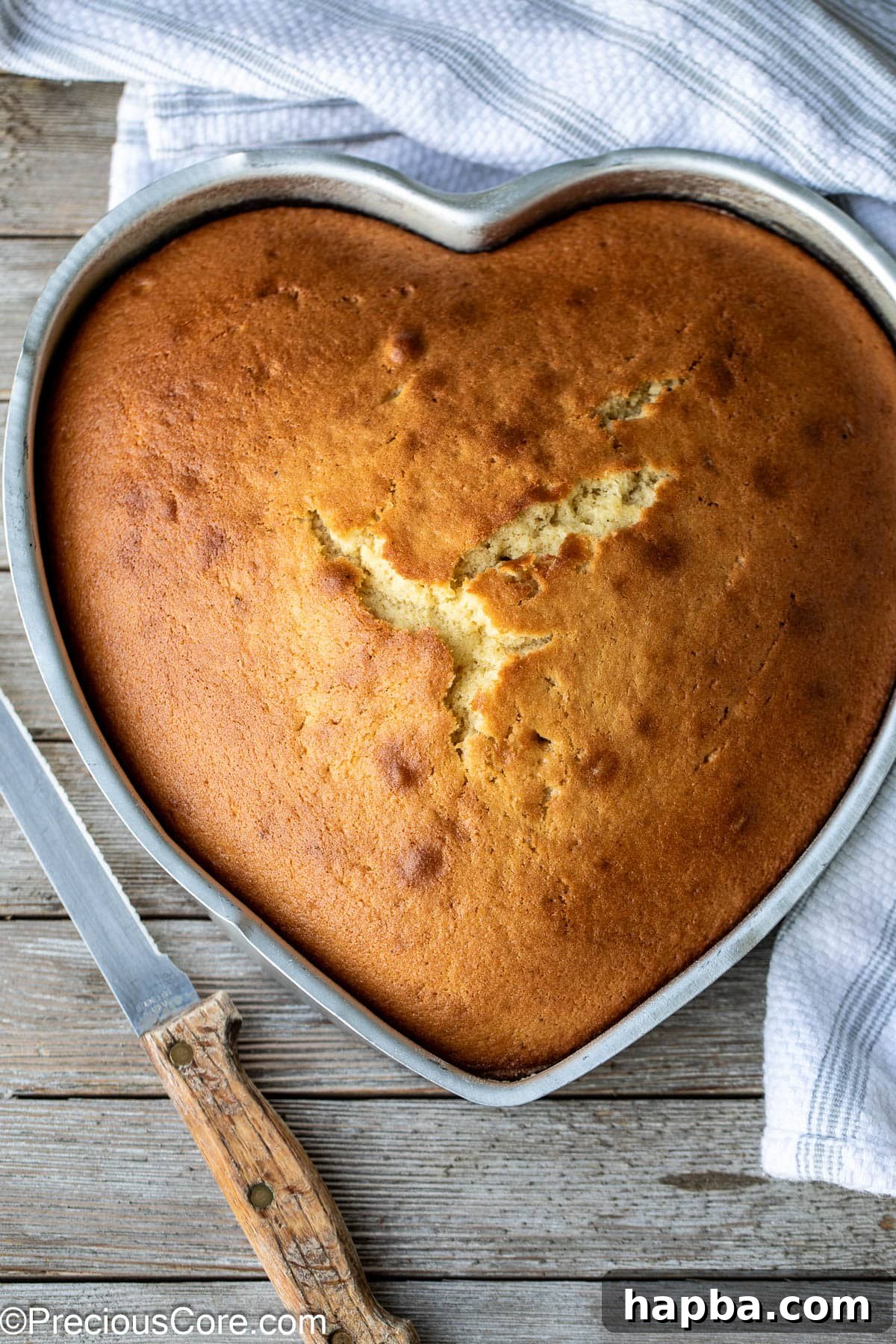
This beloved recipe holds a special place in my culinary journey, tracing back to my formative years under the guidance of my wonderful food and nutrition teacher, affectionately known as my home economics madame. It was the very first cake I ever learned to bake, laying the foundation for all my future baking adventures. Through her patient instruction, I mastered the fundamental techniques that make this cake consistently perfect.
For countless occasions, I baked this cake in its pure, unadorned form, long before I began experimenting with an array of vibrant flavors and diverse ingredients. My culinary explorations eventually led me to infuse batters with everything from rich coconut and earthy carrot to crisp apple and warm pumpkin, inspiring recipes like my indulgent Classic Chocolate Cake, delightful Coconut Cupcakes, comforting Old Fashioned Carrot Cake, wholesome Old Fashioned Fresh Apple Cake, and festive Pumpkin Roll Cake. Each of these creations, while delicious in their own right, sprang from the basic principles established by this humble plain cake.
Today, however, we are embarking on a journey back to the essence of baking. Back to the foundational recipe where my passion for cakes first ignited. Back to the versatile plain cake that I have proudly baked countless times, whether utilizing a conventional oven or crafting a clever, makeshift baking solution.
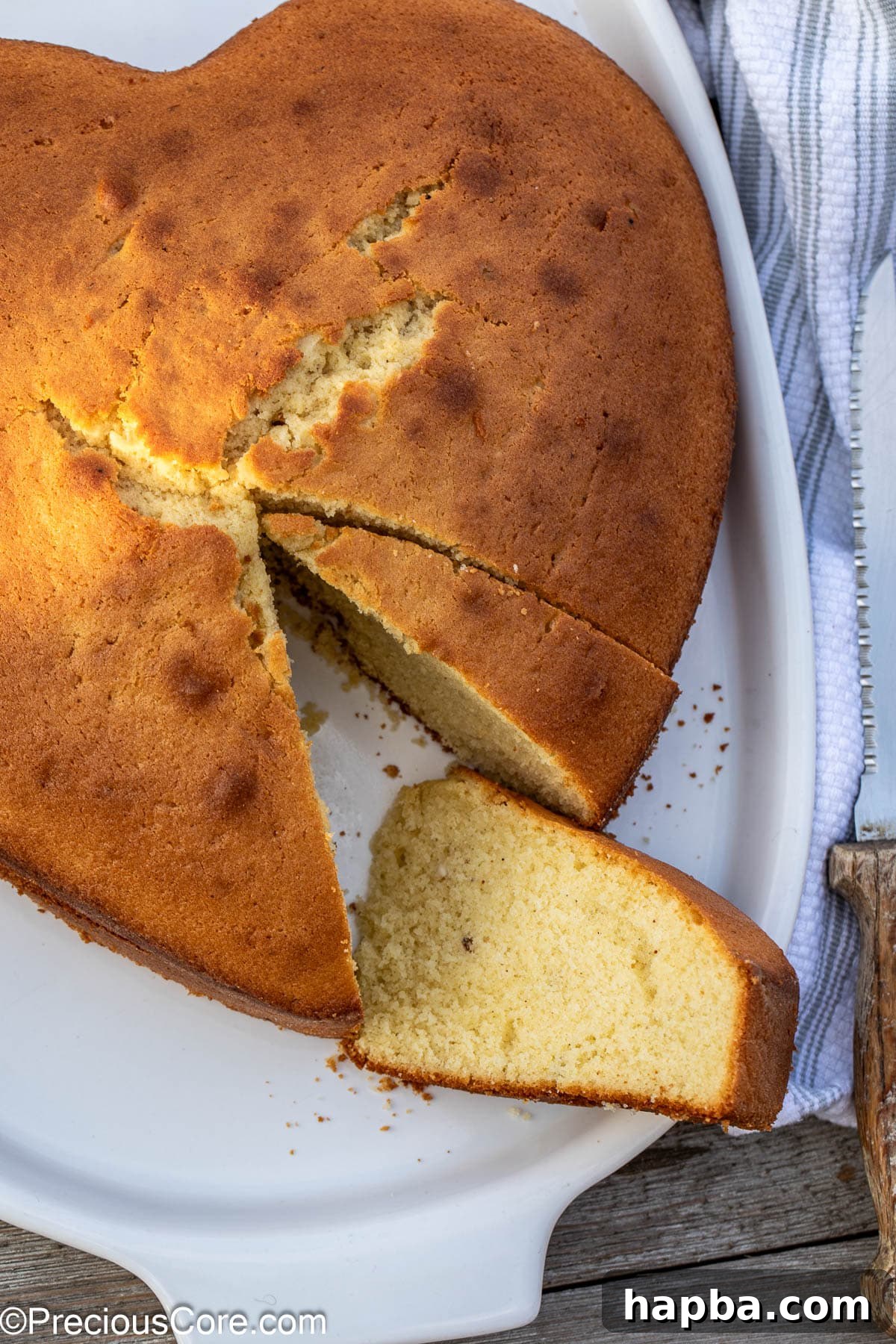
My early baking experiences often involved inventive methods born out of necessity. In my childhood home in Cameroon, where traditional cooking typically involved a three-stone fireside, a conventional oven was a luxury. Resourcefully, I would fill a large pot with sand, heat it thoroughly over the open flames, and transform it into my very own DIY oven. This ingenious setup allowed me to bake cakes that brought immense joy to my family and community.
With my batter mixed to perfection, I would bake my way into local “stardom.” The enticing aroma alone was enough to draw in everyone in our household, and even our neighbors would eagerly “campaign” for a slice. Sharing these freshly baked creations became a cherished ritual, a testament to the power of simple, homemade goodness.
After everyone had their fill, I would carefully wrap any remaining slices and discreetly hide them away. These treasured leftovers were reserved for my father’s special after-dinner treat, for unexpected guests, or simply for me to savor privately, relishing each bite of my hard-earned creation.
Oh, the rich tapestry of memories that this simple cake evokes!
Table of Contents
- Why This Recipe Works
- Ingredients Needed
- Watch How To Make A Plain Cake
- How To Make A Plain Cake
- Substitutions and Variations
- Expert Tips For Plain Cake
- Recipe Frequently Asked Questions
- Similar Recipes
- Plain Cake Recipe
Why This Simple Plain Cake Recipe Is a Must-Try
This basic plain cake recipe isn’t just easy; it’s a culinary gem for several compelling reasons:
- Perfectly Balanced Sweetness and Texture: What makes this plain cake truly exceptional is its sublime balance of sweetness and its wonderfully tender, slightly airy texture. From my very first bite, this cake defined what “cake” should be for my palate. It’s sweet enough to be a treat, yet never cloyingly so, making it suitable for any time of day. The crumb is soft and delicate, melting in your mouth with every forkful.
- Remarkable Versatility for Any Occasion: Beyond its delicious taste, this cake shines in its adaptability. It’s a delightful companion to a morning cup of coffee or an afternoon tea, making it an ideal staple to have on hand. Enjoy it as a quick breakfast, a satisfying midday snack, or a light dessert after dinner. Furthermore, its robust yet tender structure makes it an excellent base for more elaborate creations. You can easily bake it into multiple cake layers and frost it with your favorite icing for birthdays, holidays, or any special celebration.
- Elegance in Simplicity – No Frosting Required: There’s a profound beauty in this cake’s unadorned state. It stands proudly on its own, an extremely pleasant treat that requires no fancy embellishments. Its subtle vanilla and nutmeg notes are perfectly highlighted when served plain, celebrating the pure joy of simple baking. However, if you are indeed in search of a sturdy and delicious cake base specifically designed for frosting, I highly recommend exploring this classic Vanilla Sponge Cake recipe, which provides a fantastic canvas for your creative frosting designs.
Essential Ingredients for Your Fool-Proof Plain Cake
Crafting this basic vanilla cake is incredibly straightforward, even for those venturing into baking for the very first time. The key to success lies in using fresh, high-quality ingredients and ensuring they are all at room temperature before you begin. This attention to detail contributes significantly to the cake’s perfect texture and rise.
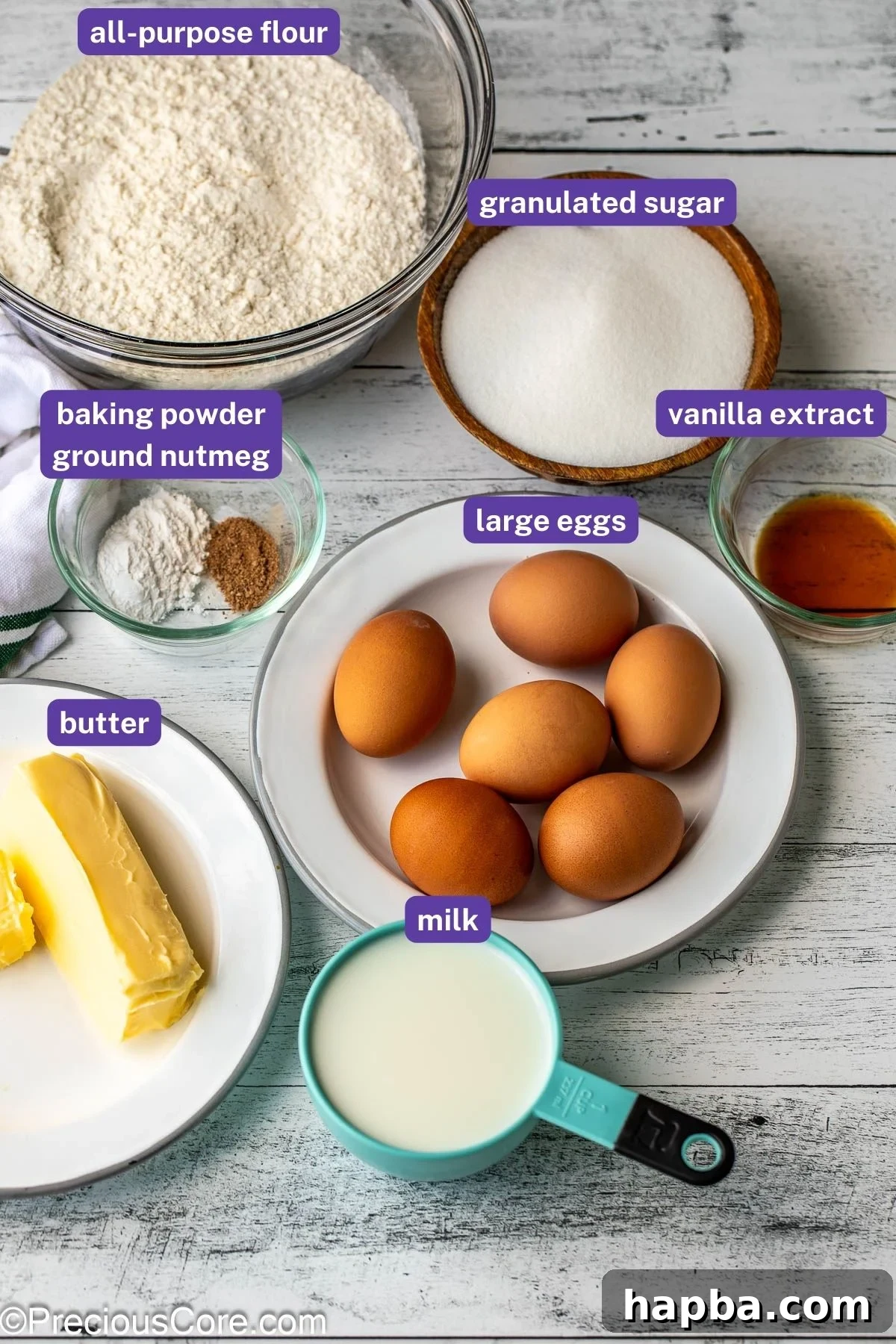
- All-Purpose Flour and Granulated Sugar: For this wonderfully simple cake, stick to the basics: standard all-purpose flour and fine granulated sugar. There’s no need for specialty flours or alternative sweeteners here; the classic combination delivers the best results. Always use precise measuring cups and spoons to ensure accuracy, as baking is a science where ratios matter.
- Large Eggs: This plain cake recipe calls for six whole large eggs, which play a crucial role in providing structure and richness. Eggs bind the ingredients together, preventing the cake from becoming crumbly and contributing to its tender, moist texture. Ensuring your eggs are at room temperature is vital for them to emulsify properly with the other ingredients, leading to a smoother batter and a better rise.
- Milk for Moisture: Milk is indispensable for imparting much-needed moisture to the batter, ensuring your cake remains incredibly soft and never dry. You have the flexibility to use your preferred type of milk, though whole milk, 2% milk, or evaporated milk are recommended for their ideal fat content and richness, which enhance the cake’s flavor and texture. Like eggs, room temperature milk integrates more seamlessly into the batter.
- Softened Butter or Margarine: The choice between butter or margarine is yours, but either fat is essential for giving the cake a beautifully tender crumb and preventing it from becoming dense. Ensure your chosen fat is thoroughly softened to room temperature. This allows it to cream effortlessly with the sugar, creating a light and airy base that is fundamental to the cake’s overall texture.
- Fresh Baking Powder: This powerful leavening agent is absolutely critical for the cake to achieve its signature light and airy rise. Always verify that your baking powder is fresh and check its expiration date. Old or inactive baking powder will not react effectively, resulting in a flat or dense cake.
- Vanilla Extract and Ground Nutmeg: While not listed as individual bullet points in the original ingredients, these are mentioned and are key flavor enhancers. Vanilla extract adds a classic, warm sweetness, while a touch of ground nutmeg introduces a subtle, aromatic spice that beautifully complements the vanilla.
For a comprehensive list of all ingredients, including exact measurements, please refer to the detailed recipe card conveniently located below.
Visual Guide: Watch How To Make A Plain Cake
Subscribe to my channel for more delicious recipes and baking tips!
Subscribe
Step-by-Step Instructions: Mastering the Plain Cake
Baking the best vanilla cake recipe begins with a fundamental technique: the creaming method. This classic approach ensures a light and airy texture by first combining fat and sugar, then incorporating wet and dry ingredients in a specific order. Follow these detailed steps to achieve a perfectly baked plain cake:
- Cream Butter/Margarine and Sugar: In a large mixing bowl, or the bowl of your stand mixer, combine the softened butter or margarine with the granulated sugar. Beat them together until the mixture is visibly light in color and delightfully fluffy in texture. This process, often taking about 5 minutes with a stand mixer on medium-high speed, incorporates air into the fat, which is crucial for a tender cake. If using a stand mixer, the whisk attachment is generally more effective for this step than the paddle, ensuring maximum aeration.
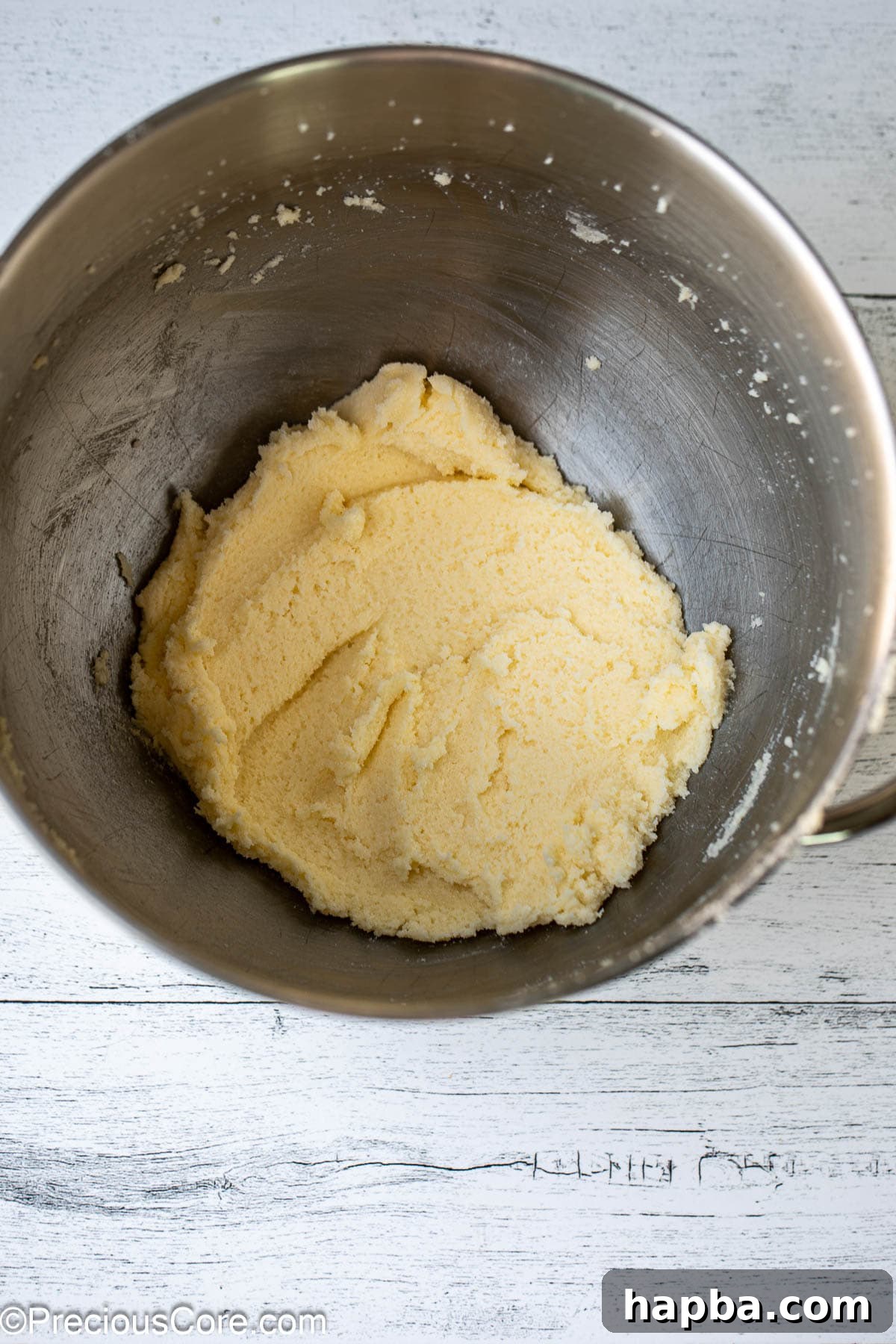
You can effortlessly mix this simple vanilla cake batter by hand using a sturdy mixing bowl and a whisk, or with the aid of an electric mixer – either a stand mixer on low to high speed (adjusting for its power) or a convenient hand mixer. All these methods will yield excellent results, so choose what works best for your kitchen setup.
2. Incorporate Eggs and Vanilla Extract: With the mixer on low speed, add the room temperature eggs to the creamed butter and sugar mixture, one at a time. After each egg, mix until it is fully incorporated into the batter before adding the next. This gradual addition helps maintain the emulsion and ensures a smooth consistency. Finally, stir in the vanilla extract, mixing just until it’s combined, to infuse the cake with its classic aroma.
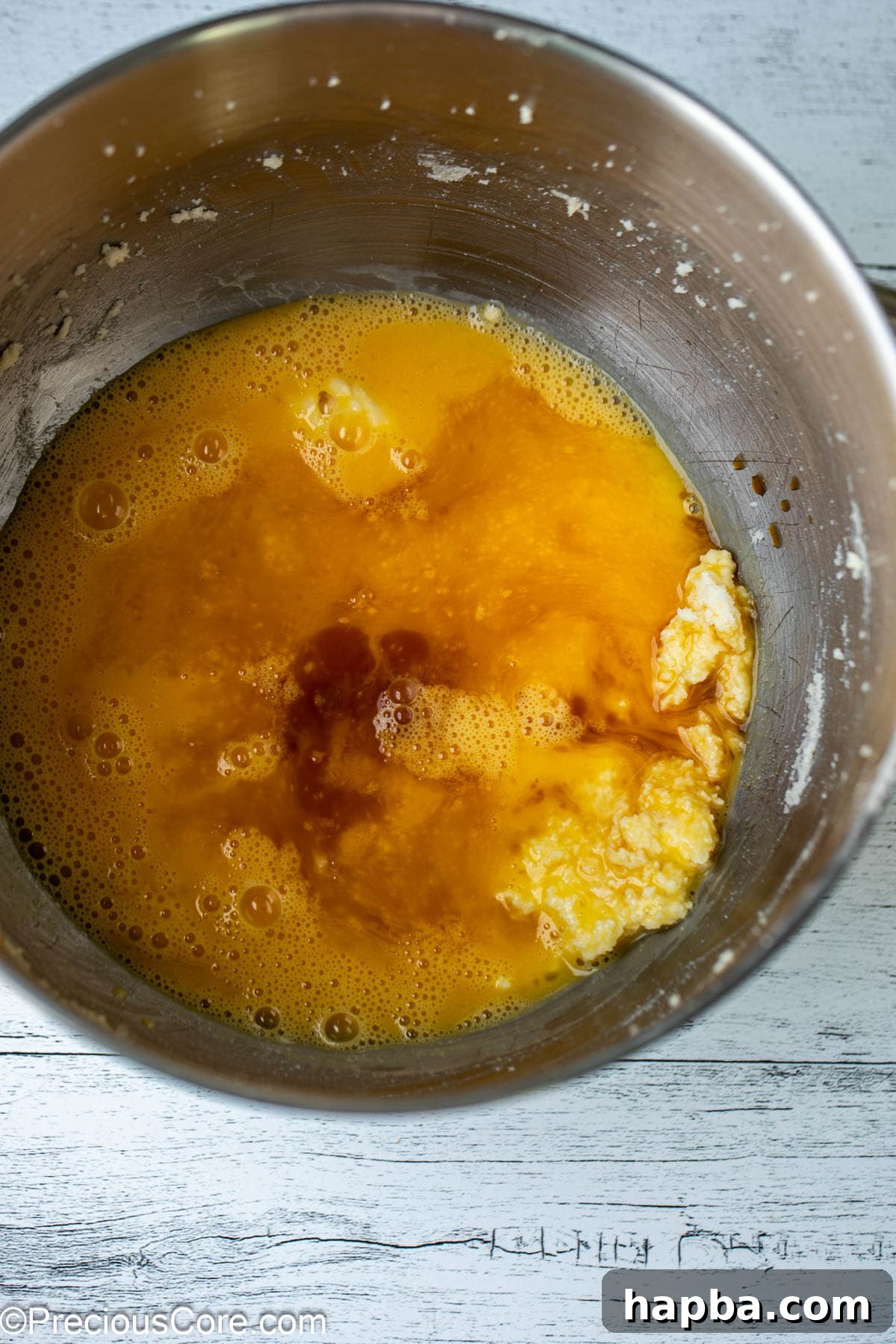
3. Introduce Dry Ingredients (First Batch): Sift together a third of your all-purpose flour with all of the baking powder and the grated nutmeg. Add this dry mixture to your wet ingredients in the bowl. Mix on low speed just until the dry ingredients are barely incorporated. Be careful not to overmix at this stage, as over-developing the gluten can lead to a tough cake.
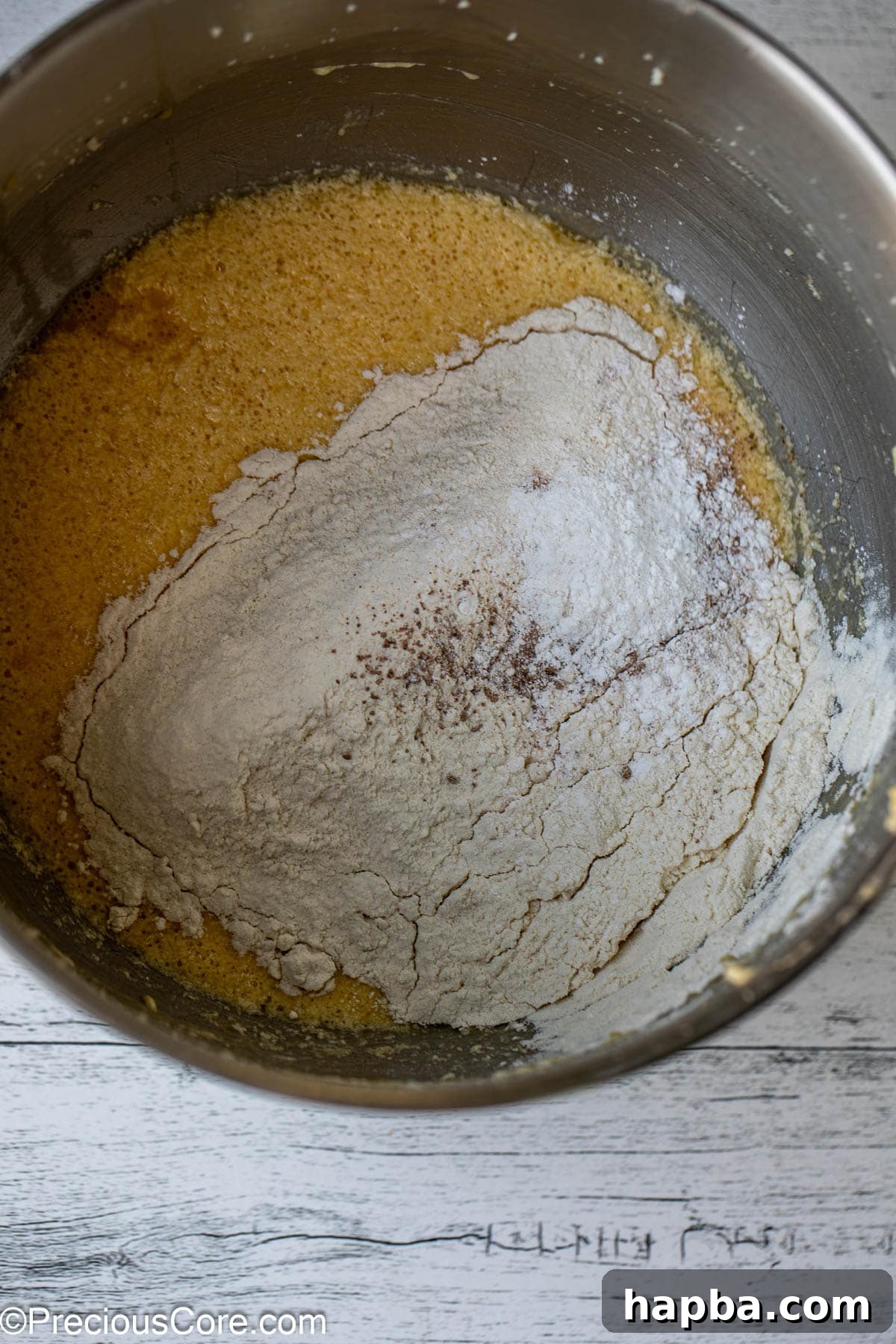
4. Alternate Flour and Milk Additions: To ensure a perfectly smooth and uniform batter, you will now alternate adding the remaining flour and milk. Begin by adding half of the milk, mixing until it’s fully incorporated. Next, add half of the remaining flour and mix gently until just combined. Follow this with the rest of the milk, mixing until absorbed, and finally, add the last portion of flour, mixing only until no dry streaks remain. This alternating method helps prevent the batter from becoming too dense and promotes a tender crumb.
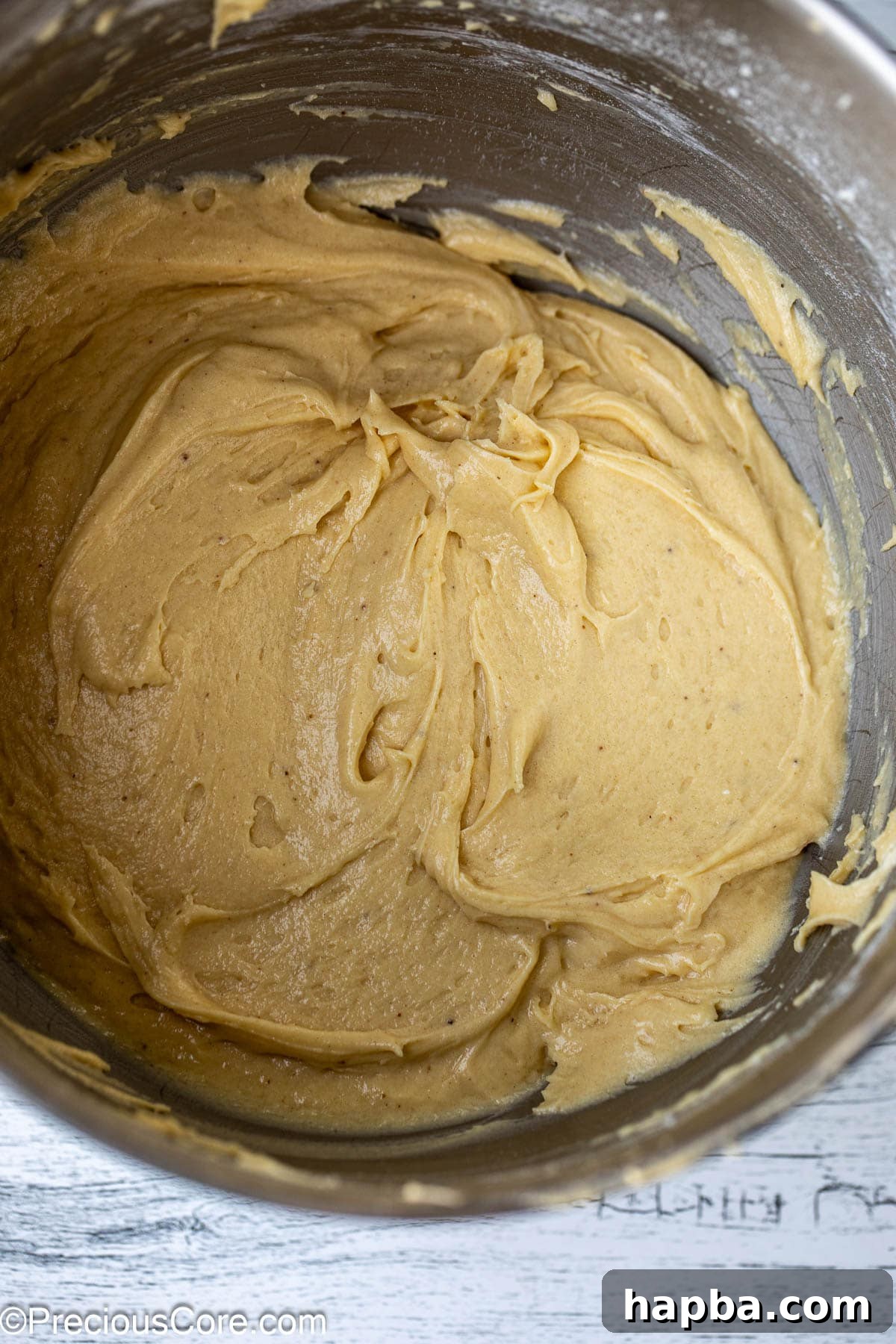
5. Prepare Pan and Bake: Gently pour the finished batter into your prepared baking pan. For best results, ensure the pan is thoroughly greased and floured, or lined with parchment paper, especially if using a large round cake pan, to prevent sticking. Distribute the batter evenly. Place the pan in your preheated oven and bake according to the recipe instructions. The plain cake is done when a wooden toothpick or skewer inserted into the very center emerges clean, without any wet batter clinging to it.
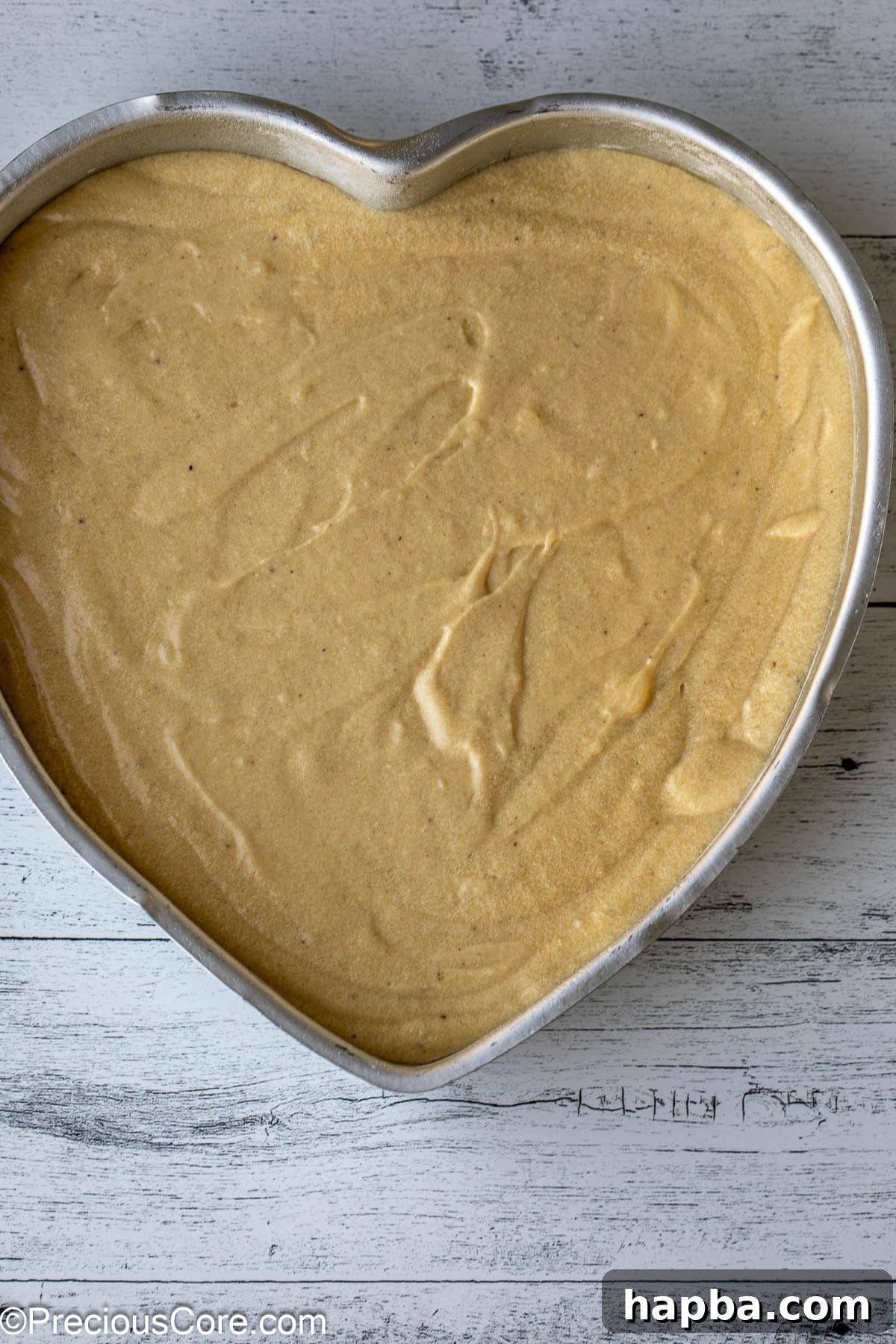
Cooling: Once baked, allow the cake to cool in its baking pan for approximately 10 minutes. This crucial resting period allows the cake to firm up slightly before you attempt to remove it. After 10 minutes, carefully invert the cake onto a wire rack to cool completely. Cooling on a wire rack ensures air circulates around the entire cake, preventing condensation and soggy bottoms.
Creative Substitutions and Delicious Variations for Your Plain Cake
While this plain cake recipe is perfect as is, it also serves as a fantastic canvas for your culinary creativity. Feel free to experiment with these simple substitutions and delightful variations to tailor the cake to your personal taste or specific dietary needs:
- Enhance with Spices: Although this recipe already includes a subtle hint of nutmeg, you can easily amplify the spiced flavor by adding more traditional baking spices. Consider incorporating a teaspoon of ground cinnamon for warmth, a pinch of cloves for depth, or a touch of ground ginger for a gentle zing. A mix of apple pie spice or pumpkin pie spice could also lend a comforting seasonal twist.
- Explore Different Extracts: Vanilla extract provides a classic, universally loved flavor, but don’t hesitate to swap it out or complement it with other extracts. Lemon extract can introduce a bright, zesty note, while maple extract offers a cozy, autumnal sweetness. Almond extract provides a sophisticated, nutty aroma, and coconut extract can transport your taste buds to a tropical paradise. The possibilities are endless, making it incredibly easy to customize the cake’s flavor profile to your preference.
- Alternative Milk Options: If you’re looking for a dairy-free alternative or simply wish to alter the flavor, plant-based milks such as almond milk, soy milk, or oat milk will work wonderfully in this recipe. Be mindful that using a plant-based milk might subtly change the cake’s overall flavor and texture. For instance, almond milk pairs beautifully with vanilla extract, creating a delicate, complementary taste. Ensure any alternative milk is also at room temperature.
- Delicious Mix-Ins: Elevate your plain cake with simple mix-ins. Fold in a cup of chocolate chips (mini or standard), dried cranberries, chopped nuts like walnuts or pecans, or even some fresh lemon or orange zest for a burst of citrus flavor. Add these during the final stages of mixing the batter, just before pouring into the pan.
For the best results with this particular recipe, I strongly advise against using cake flour. Its lower protein content can result in a cake that is too delicate for the desired structure. Please ensure you stick with all-purpose flour to achieve the perfect balance of tenderness and stability.
Baking Success: Expert Tips for Your Plain Cake
Achieving a consistently perfect plain cake involves more than just following the recipe; a few expert tips can elevate your baking game and help you troubleshoot common issues:
- Adjusting to Different Pan Sizes: While the recipe specifies a 10-inch baking pan, it’s certainly possible to use cake tins of varying sizes. However, be prepared to adjust your baking time accordingly. If you opt for a larger, shallower pan, the batter will spread more thinly, resulting in a cake that bakes faster and is shorter in height. Conversely, using a smaller pan with a deeper batter will require a longer baking time, as the center needs more time to cook through thoroughly. In such cases, it’s often a good idea to slightly lower the oven temperature (by 10-25 degrees F) to prevent the edges from over-baking before the center is done.
- Preventing Cake Doming: If your cakes consistently form an undesirable dome shape, the culprit might be an inaccurate oven temperature. Ovens that run hotter than they should often cause the outer edges of the cake to set too quickly, pushing the unset batter upwards. To remedy this, invest in an inexpensive oven thermometer to check your oven’s accuracy and calibrate it if necessary. Another effective trick is to use cake strips. These moist fabric strips, wrapped around the outside of the pan, insulate the edges, allowing the cake to rise more evenly and flatly.
- Doubling the Recipe: Should you require more batter to fill a larger or multiple cake pans, you can easily double the recipe. Just remember an essential rule: never fill your baking pans more than two-thirds full. Overfilling can lead to overflow in the oven, an uneven bake, and a dense texture.
- Proper Storage for Freshness: To keep any leftover cake moist and delicious, store it in an airtight container or a sealed plastic bag in the refrigerator for up to a week. For the best flavor and texture, I highly recommend bringing the cake to room temperature before serving. Simply let it sit on the counter for 30-60 minutes, depending on the ambient temperature.
- Frosting for Special Occasions: If you decide to bake this versatile cake in two 8-inch round pans and wish to frost it for a special occasion, you have a wealth of frosting options. This cake serves as an excellent base for rich cream cheese frosting, classic American buttercream, decadent chocolate frosting, or even a light whipped cream frosting paired with fresh fruits.
- Don’t Overmix: After adding the flour, mix the batter only until just combined. Overmixing develops the gluten in the flour, which can lead to a tough, dry cake instead of the desired tender crumb.
- Tap the Pan: Before baking, gently tap the filled cake pan on the counter a few times. This helps to release any trapped air bubbles, resulting in a more even texture in your baked cake.
Recipe Frequently Asked Questions
The inherent beauty of a plain cake, particularly this recipe, is its inherent deliciousness even without additional adornments. It boasts subtle, comforting notes of vanilla and nutmeg which, when combined with the precisely measured sugar, create a wonderfully balanced flavor. However, if you’re eager to introduce more distinct flavors, there are many delightful avenues to explore. You could easily swap the vanilla extract for a different baking extract like lemon, almond, or even a hint of rum for an adult twist. Incorporating fresh citrus zest, such as lemon or orange, directly into the batter adds a bright, aromatic burst. Furthermore, mix-ins offer another layer of flavor and texture: consider folding in chopped nuts (like pecans or walnuts), chocolate chips, dried fruits (cranberries or raisins), or even a delicate swirl of fruit preserves or cinnamon sugar before baking. Each addition transforms the plain cake into a new, exciting experience.
While both plain cakes and sponge cakes are fundamental baking types, they typically differ in their ingredient ratios and mixing methods, resulting in distinct textures. Sponge cakes, for instance, often feature a higher proportion of eggs relative to flour and fat, and rely heavily on those eggs for leavening, usually by whipping the egg whites to a stiff peak and then folding them in. This technique creates an incredibly airy, light, and sometimes elastic crumb. They usually contain little to no butter or oil. My plain cake recipe, on the other hand, is a classic butter cake. It utilizes the “creaming method,” where softened butter (or margarine) and sugar are beaten together until light and fluffy, incorporating air at the outset. This method, combined with chemical leavening agents like baking powder, produces a cake with a tender, moist, and slightly denser crumb than a sponge cake, offering a more robust and satisfying mouthfeel. Both are delicious, but cater to different preferences for texture and richness.
Generally, cakes are broadly categorized into two primary types: butter cakes (or shortened cakes) and foam cakes. Some culinary experts might argue for a third, more nuanced category for certain cakes that don’t neatly fit into either of the main two, but most popular cakes can be classified under these two umbrellas.
Butter Cakes: Also known as oil cakes or shortened cakes, these are characterized by the presence of a significant amount of fat, typically in the form of butter, margarine, or vegetable oil. The fat is often creamed with sugar to incorporate air, resulting in a cake with a classic, moist, and dense yet tender crumb. This plain cake recipe is a perfect example of a butter cake.
Foam Cakes: These cakes are distinguished by their lighter, airier texture, achieved through a high proportion of whipped eggs (either whole eggs, egg whites, or both) and typically contain very little to no fat. The air incorporated into the eggs provides most of the cake’s leavening. Examples include angel food cake (egg whites only), chiffon cake (whole eggs and some oil), and sponge cake (whole eggs, sometimes separated). These cakes are often served plain, with fruit, or with a light glaze. Understanding these basic categories helps bakers grasp the science behind different cake textures and how ingredients interact.
Explore More Easy Cake Recipes
If you’ve fallen in love with the simplicity and deliciousness of this plain cake recipe, you’ll be thrilled to discover more easy and comforting cake recipes from my collection. Perfect for expanding your baking repertoire!
Classic Chocolate Cake
Plantain Cake
Southern Lemon Pound Cake Recipe
Vanilla Pound Cake
If you embark on making this delightful recipe, please take a moment to leave a star rating below. Your valuable feedback not only helps other bakers discover and enjoy this recipe but also brings immense joy to me! Thank you for your support and for sharing your baking success!
Plain Cake Recipe
Rate This Recipe
Print Recipe
Equipment
-
1 heart baking pan (or 10-inch round pan)
-
1 Stand mixer (or large mixing bowl with hand mixer/whisk)
Ingredients
- 10 tablespoons softened salted butter (141 grams) or margarine
- 1 ½ cups granulated sugar (300 grams)
- 6 large eggs at room temperature
- 2 teaspoons vanilla extract
- 3 cups all-purpose sifted flour (360 grams)
- ½ teaspoon ground nutmeg
- 2 teaspoons baking powder
- 1 cup whole milk (250 ml) 2% milk or evaporated milk would also work well
Instructions
-
1. Prepare Oven and Pan: Preheat your oven to 350 degrees F (176 degrees C). Thoroughly grease and flour a 10-inch baking pan (or your chosen pan size) and set it aside. This prevents sticking and ensures an easy release.
-
2. Cream Butter and Sugar: In a large mixing bowl or the bowl of a stand mixer, combine the softened butter or margarine with the granulated sugar. Beat on medium to high speed until the mixture is light, fluffy, and pale in color. This typically takes about 5 minutes with a stand mixer, but adjust the time and speed based on your equipment.
-
3. Add Eggs and Vanilla: Reduce mixer speed to low. Add the eggs one at a time to the creamed butter and sugar mixture, mixing well after each addition until fully incorporated. Once all eggs are added, stir in the vanilla extract until just combined.
-
4. Incorporate Dry and Wet Ingredients Alternately: In a separate bowl, whisk together the all-purpose flour, ground nutmeg, and baking powder. Add approximately one-third of this dry mixture to your wet ingredients and mix until just incorporated. Then, add half of the milk and mix until combined. Add another third of the flour mixture, mix, then add the remaining milk and mix. Finally, add the last portion of the flour mixture and mix until just combined, ensuring there are no visible streaks of dry flour. Do not overmix.
-
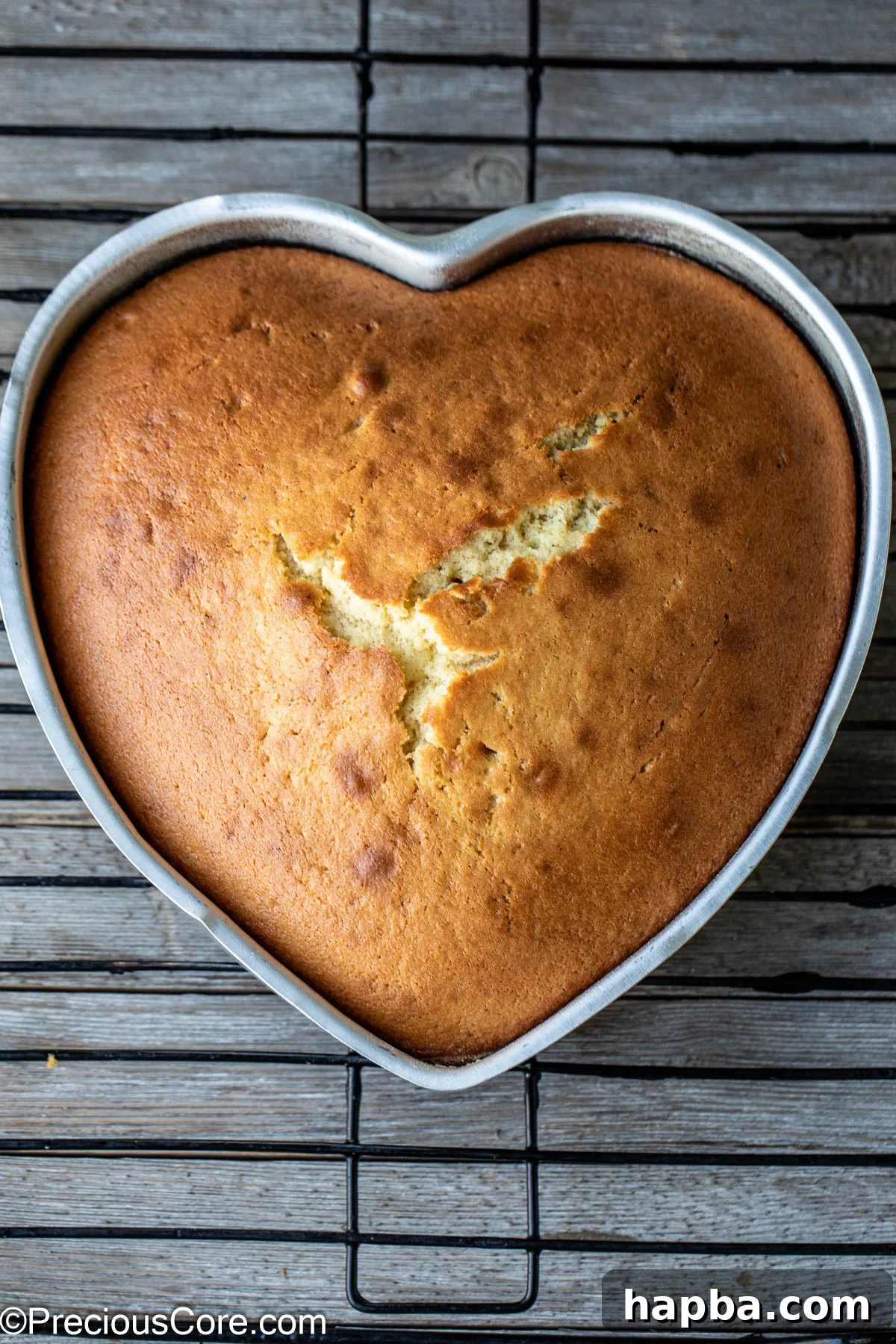
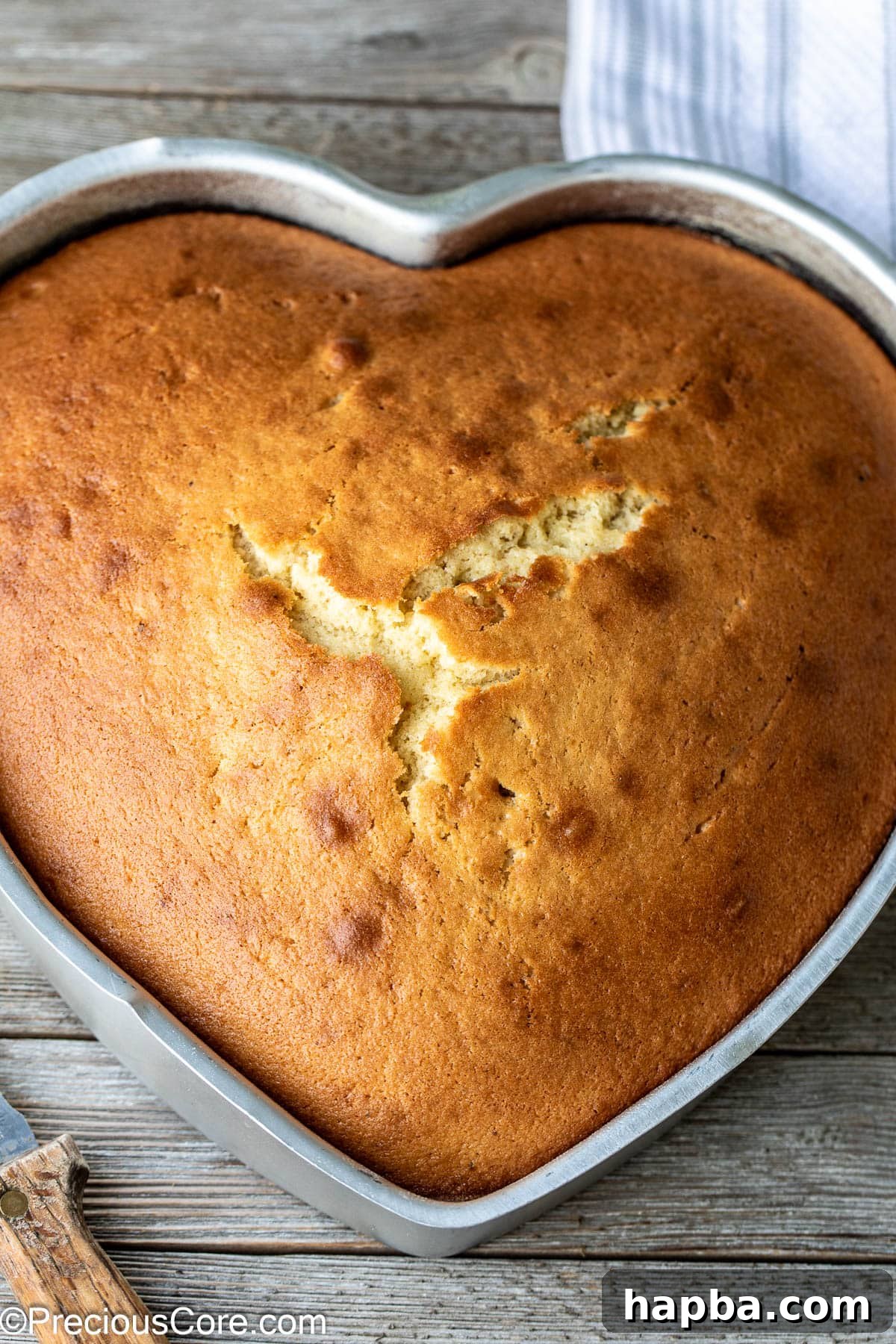
5. Bake the Cake: Pour the prepared batter evenly into your greased and floured cake pan. Bake for about 50 minutes, or until a wooden toothpick inserted into the center of the cake comes out clean.
-
6. Cool and Serve: Allow the cake to cool in the pan for approximately 10 minutes. This helps it firm up before removal. After 10 minutes, carefully invert the cake onto a wire rack to cool completely. Once fully cooled, slice and enjoy your perfect plain cake!
Video Tutorial
Notes
- Pans of varying sizes could be used, but the baking time may need to be adjusted. If you opt for a larger, shallower pan, the batter will spread out more, resulting in a cake that bakes faster and is shorter in height. Conversely, a smaller, deeper pan will require a longer baking time.
- For a classic layer cake, bake the batter in two 8-inch round cake pans. Ensure both pans are adequately greased and floured or lined with parchment paper.
- This versatile cake pairs exquisitely with a warm cup of tea or a robust coffee. It’s an excellent item to keep in your fridge for impromptu treats. You can also elevate it by serving with a dollop of fresh whipped cream and a medley of seasonal fruits, or alongside a scoop of your favorite yogurt.
- This recipe has been carefully rewritten for enhanced clarity and an even better baking experience. While the core essence of the beloved plain cake remains, adjustments have been made to the sequence of adding eggs and milk, optimizing the method for the most tender and consistent results.