
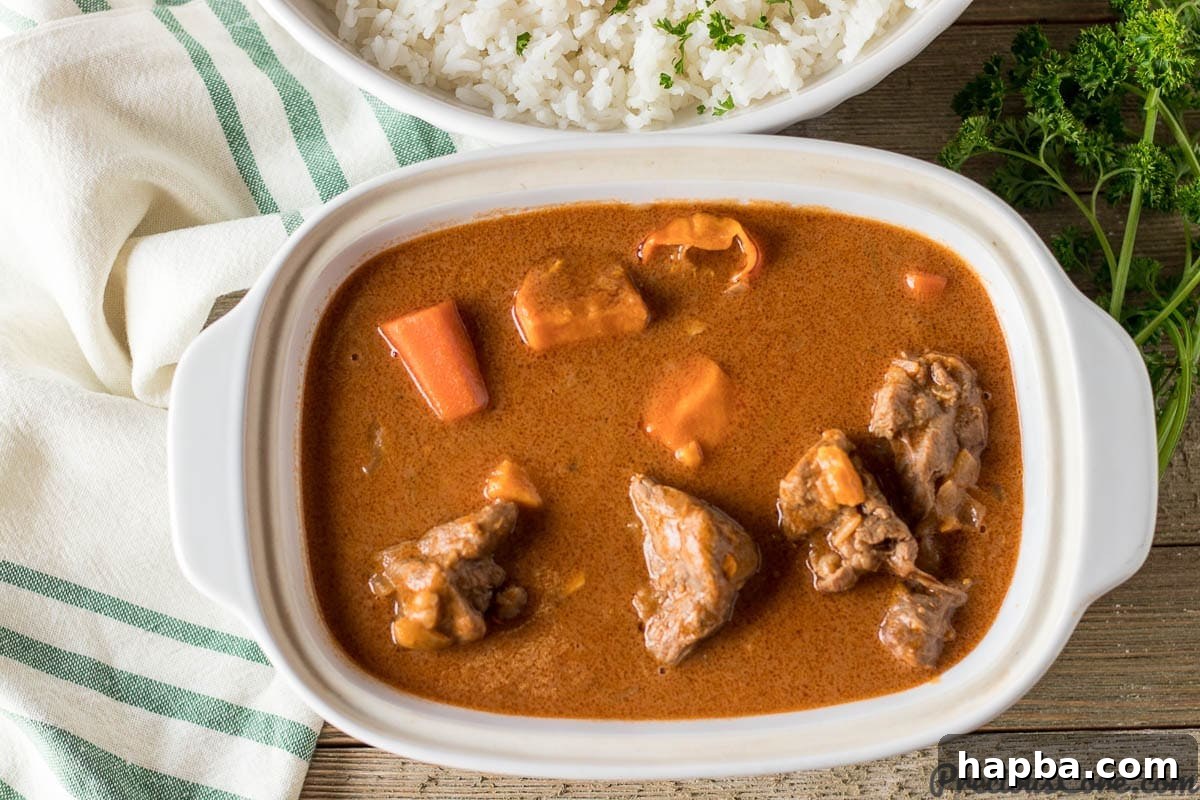
Prepare your palate for a culinary journey to the heart of West Africa with this incredibly rich, creamy, nutty, and subtly spicy African Peanut Stew, also famously known as Mafe or Maafe. This hearty and profoundly satisfying dish is a staple in many West African households and is poised to become a beloved favorite in your weekly dinner rotation.
Imagine a stew so deeply flavored, so comforting, that it transforms a simple meal into an extraordinary experience. Whether you prefer to soak up its luscious sauce with fluffy white rice, tear off pieces of crusty French bread, or pair it with a light, low-carb side, this stew promises a delightful explosion of flavors that will leave you utterly content. Its robust character and the harmonious blend of ingredients make it a truly versatile and wholesome meal for any occasion.
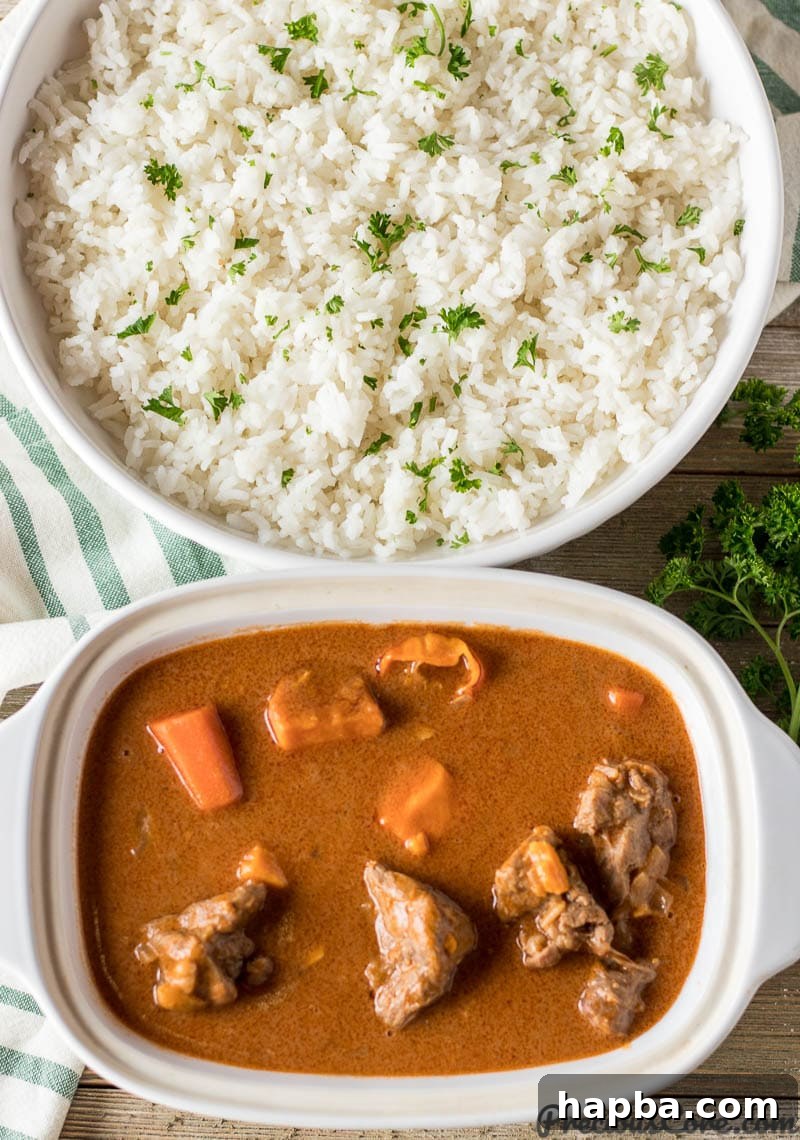
The Heart of West African Cuisine: Authentic Peanut Stew
There’s a reason why this Senegalese stew, often referred to as Mafe, commands such devotion across West Africa: it’s incredibly simple to prepare, requires readily available ingredients, and delivers an unparalleled depth of flavor. This recipe for African Peanut Stew has been a long-awaited addition to my collection, and I am thrilled to finally share this authentic version with you.
In a digital landscape filled with countless recipes claiming to be “African peanut soup” or “stew,” it’s crucial to identify those that truly capture the essence and traditional methods of West African cooking. This recipe aims to provide you with a genuine taste of the region, focusing on the balanced flavors and rich textures that define this culinary masterpiece. While some might call it a soup, its thick and satisfying consistency makes “stew” a more accurate description.
Mafe is more than just a dish; it’s West Africa encapsulated on a plate. Nearly every country in the region, from Senegal to Mali, Ghana, Nigeria, and Cameroon, boasts its unique interpretation of this beloved stew. Each variation, while distinct, revolves around the foundational ingredient: groundnuts, or what we commonly know as peanuts.

In many West African communities, peanut butter stew, also known as groundnut soup, is a dietary cornerstone, offering a hearty and nutritious meal. While my Cameroonian Groundnut Soup recipe offers another regional twist, this particular version highlights the rich culinary heritage of Senegal. The beauty of these stews lies in their adaptability, often featuring a primary protein like beef, lamb, chicken, or fish. For those seeking a plant-based option, simply omitting the animal protein transforms this dish into a delicious and fulfilling vegan meal.
The Senegalese Mafé distinguishes itself with the inclusion of specific vegetables that complement its core flavors beautifully. In this recipe, sweet potatoes and carrots are essential. Their natural sweetness perfectly balances the stew’s characteristic nuttiness and the gentle heat from the peppers, creating a well-rounded and deeply satisfying taste profile.
Essential Ingredients for Authentic African Peanut Stew
Crafting a truly exceptional African Peanut Stew requires just a handful of straightforward ingredients. Each component plays a vital role in building the stew’s complex layers of flavor and its signature creamy texture:
- Natural Peanut Butter: This is the absolute star of the show. For the most authentic flavor and texture, opt for natural, unsweetened peanut butter with only salt added. Its pure peanut essence provides the creamy base and rich, nutty depth that defines Mafe. Avoid heavily processed peanut butters with added sugars or oils, as they can alter the stew’s traditional taste.
- Protein of Choice (Beef, Lamb, or Chicken): While beef is often favored for the robust depth it imparts to the stew, chicken or lamb are equally excellent choices. Beef chuck roast, cut into 1-2 inch pieces, is particularly well-suited for slow simmering, becoming incredibly tender and infusing the sauce with its savory juices. Each protein offers a slightly different flavor profile, allowing for customization to your preference.
- Tomato Sauce or Paste: For those unfamiliar with West African cooking, the combination of tomatoes and peanuts might seem unconventional. However, this pairing is a culinary stroke of genius. The tomato component adds a crucial tang, brightens the overall flavor, and contributes to the stew’s vibrant orange hue. If using tomato paste, remember it’s more concentrated than sauce, so adjust the quantity accordingly, typically using half the amount.
- Onion: A large, finely diced onion forms the aromatic foundation of the stew. Sautéing the onion until fragrant and slightly caramelized creates a sweet and savory base that is essential for a rich flavor profile.
- Garlic: Never skip the garlic! Its pungent, aromatic notes provide significant depth and complexity, enhancing all the other flavors in the stew. Freshly minced garlic yields the best results.
- Chicken Bouillon Powder (or Cubes): Bouillon is a secret weapon in West African kitchens, frequently used to intensify flavors and add that indescribable “something-something.” For an authentic taste, incorporating chicken bouillon powder or cubes is highly recommended. It deepens the savory notes and brings a familiar comfort to the dish.
- Vegetable Oil: Used for sautéing the aromatics and browning the meat, a neutral vegetable oil is perfect for this stew, allowing the other flavors to shine.
- Habanero or Scotch Bonnet Pepper: For those who appreciate a fiery kick, a habanero or scotch bonnet pepper is indispensable. The intense heat of these peppers beautifully balances the richness and nuttiness of the peanut butter, preventing the stew from becoming too heavy. If you’re sensitive to spice, cayenne pepper can be used as a milder alternative, or you can adjust the quantity of fresh pepper to your liking.
- Root Vegetables (Sweet Potatoes and Carrots): These not only add wonderful texture and visual appeal but also contribute a delicate sweetness that harmonizes perfectly with the other flavors. Sweet potatoes become tender and slightly creamy, while carrots retain a pleasant bite, enriching the stew with vitamins and natural sugars.
For detailed measurements of each ingredient, please refer to the recipe card below.
Mastering the Art of African Peanut Stew: A Step-by-Step Guide
Creating this authentic African Peanut Stew is surprisingly straightforward, involving simple steps that build layers of incredible flavor. Here’s how to bring this West African delicacy to your kitchen:
- Prepare the Aromatic Base: Begin by heating the vegetable oil in a sturdy pot, ideally a Dutch oven, over medium-high heat for about 3 minutes. Add the finely chopped onions and sauté them, stirring occasionally, for approximately 5 minutes until they become translucent and fragrant. This step is crucial for developing a sweet, foundational flavor.
- Build the Flavor Core: Introduce your chosen protein (beef, lamb, or chicken) to the pot, along with the tomato sauce, four cups of water, salt, and chicken bouillon powder. Stir everything together to combine, then bring the mixture to a boil. Once boiling, reduce the heat to a gentle simmer, allowing the flavors to meld and the meat to begin tenderizing.
- Introduce the Peanut Richness: Add the minced garlic and the natural peanut butter to the simmering stew. Stir vigorously to ensure the peanut butter fully dissolves and integrates into the liquid, creating that characteristic creamy texture. Continue to simmer for another 5 minutes, allowing the nutty flavor to infuse the stew.
- Add Vegetables and Spice: Incorporate the chopped sweet potatoes and carrots into the stew. For a spicy kick, carefully cut the habanero pepper in half (or leave whole if you prefer less heat, removing it before serving) and add it to the pot. Cover the pot and let the stew simmer for 10-15 minutes, or until the sweet potatoes are tender when pierced with a fork. Once cooked, remove and discard the habanero pepper if you wish to control the spice level.
- Serve and Savor: Your rich and aromatic African Peanut Stew is now ready to be enjoyed! Serve it warm over a bed of perfectly cooked boiled rice, allowing the rice to absorb all the wonderful flavors of the sauce.
Chef’s Tip: For an even richer flavor, consider lightly browning your meat before adding the other liquid ingredients. This extra step helps seal in juices and adds a deeper savory note to the stew.
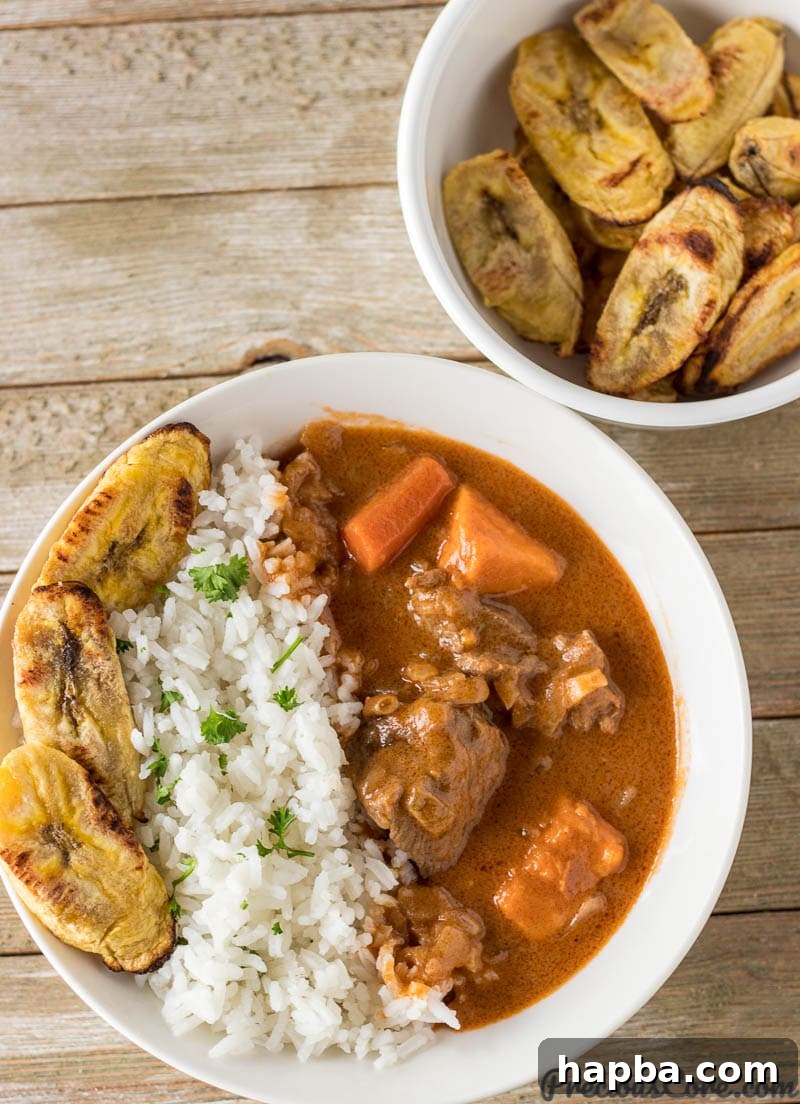
Perfect Pairings: What to Serve with African Peanut Stew
The beauty of African Peanut Stew lies in its versatility, making it a wonderful accompaniment to a wide array of side dishes. The most traditional and popular pairing is, of course, fluffy boiled rice. The rice acts as a neutral canvas, perfectly soaking up the stew’s creamy, nutty, and spicy sauce, ensuring every bite is flavorful.
For an authentic West African experience, consider serving your stew with a side of sweet fried plantains. Their caramelized sweetness offers a delightful contrast to the savory and spicy notes of the stew. If you’re looking for an alternative to rice, couscous provides a lighter, grainier texture that complements the stew beautifully. And for a truly indulgent meal, nothing beats a fresh, crusty baguette or French bread, perfect for scooping up every last drop of the luscious sauce. This hearty stew truly shines with various accompaniments, whether you prefer carbohydrate-rich options or lighter, low-carb alternatives.
Make Ahead & Freezing: Convenience at its Best
One of the many advantages of African Peanut Stew is how wonderfully it lends itself to meal prepping and freezing. This makes it an ideal choice for busy weeknights or for ensuring you always have a comforting, home-cooked meal on hand. Simply prepare a larger batch, and you’ll have delicious leftovers ready to go.
To freeze, allow the stew to cool completely before transferring it to airtight, freezer-safe containers. It can be stored in the freezer for up to 3 months. When you’re ready to enjoy it, thaw the stew overnight in the refrigerator and then gently reheat it on the stovetop or in the microwave, adding a splash of water or broth if needed to restore its ideal consistency. This stew tastes just as fantastic, if not better, the next day as the flavors have more time to deepen and meld.
I genuinely hope you enjoy this authentic West African Peanut Stew recipe. It truly stands out as one of the best and most comforting dishes you can make!
Exciting Variations to Explore
While this recipe provides an authentic foundation, African Peanut Stew is incredibly adaptable. Feel free to experiment with these variations to suit your taste or dietary needs:
- Enhanced Liquid Base: For an even richer flavor profile, substitute some or all of the water with chicken broth or vegetable broth (for a vegan option).
- Vegetable Powerhouse: Boost the nutritional content and add more texture by incorporating other vegetables. Sliced bell peppers, zucchini, or even a handful of fresh spinach or collard greens can be stirred in during the final stages of cooking. Cabbage and okra also work wonderfully.
- Protein Swap: If beef isn’t your preference, boneless, skinless chicken thighs are an excellent substitute, offering tenderness and rich flavor. You can also explore firm white fish for a seafood version.
- Vegan & Vegetarian Friendly: To make this stew completely vegan, simply omit the meat and increase the quantity of root vegetables or add firm tofu, tempeh, or chickpeas for protein.
- Low-Carb Option: For those following a low-carb diet, serve the African Peanut Stew with cauliflower rice instead of traditional rice. It’s a delicious way to enjoy the stew while keeping carbohydrate intake down.
Delicious Serving Suggestions
Elevate your African Peanut Stew experience by pairing it with these fantastic side dishes:
- Garlic Herb Rice: A fragrant and savory rice dish that complements the stew’s rich flavors.
- Sweet Fried Plantains: The perfect balance of sweet and savory.
- Baked Plantains: A healthier alternative to fried plantains, offering a similar sweetness.
Discover More African Culinary Delights
If you’ve fallen in love with the flavors of West Africa, be sure to explore these other incredible recipes:
- African Chicken Stew
- African Okra Soup
- How To Make Fufu – Fufu Corn
- Nigerian Jollof Rice
- African Pepper Sauce
If you make this recipe, please consider leaving a star rating below. Your feedback helps others discover and enjoy this delicious recipe, and I truly love hearing from you! Thank you!
African Peanut Stew – Mafe
5 from 3 votes
Rate
Print Recipe
Ingredients
- 2 tablespoons vegetable oil
- 1 large onion diced
- 1 pound beef cut into 1-2 inch pieces, chuck roast works well here
- 8 oz tomato sauce ¾ cup
- 1 teaspoon salt
- 2 teaspoons chicken bouillon powder
- 4 cloves garlic minced
- ½ cup natural peanut butter no sugar added
- 1 cup sweet potatoes peeled and chopped into 1 inch pieces
- ½ cup carrots chopped into 1-inch pieces
- 1 habanero pepper
Instructions
- Place oil in a pot and heat up on high heat for about 3 minutes. Add the chopped onions and saute while stirring from time to time for about 5 minutes.
- Add the beef, tomato sauce, four cups of water, salt and bouillon powder. Bring everything to a boil then reduce the heat and let them simmer.
- Add the garlic and the peanut butter and stir well. Let it simmer for 5 minutes.
- Add the sweet potatoes and carrots. Cut the habanero pepper into 2 and add to the pot (see note 1). Cover and let it simmer for 10-15 minutes until the sweet potato is tender when pierced with a fork. Remove the habanero pepper and discard.
- Serve warm over boiled rice.
Notes
2. Feel free to add other vegetables you like. Cabbage and okra will also work well.
3. Japanese Sweet Potatoes also known as Murasaki work well here.
Nutrition
| Carbohydrates: 17g
| Protein: 16g
| Fat: 17g
| Saturated Fat: 4g
| Polyunsaturated Fat: 4g
| Monounsaturated Fat: 8g
| Trans Fat: 1g
| Cholesterol: 18mg
| Sodium: 867mg
| Potassium: 644mg
| Fiber: 3g
| Sugar: 7g
| Vitamin A: 8368IU
| Vitamin C: 14mg
| Calcium: 51mg
| Iron: 2mg
Additional Info
Tried this recipe?
Mention @preciouscore or tag #PreciousCore!