
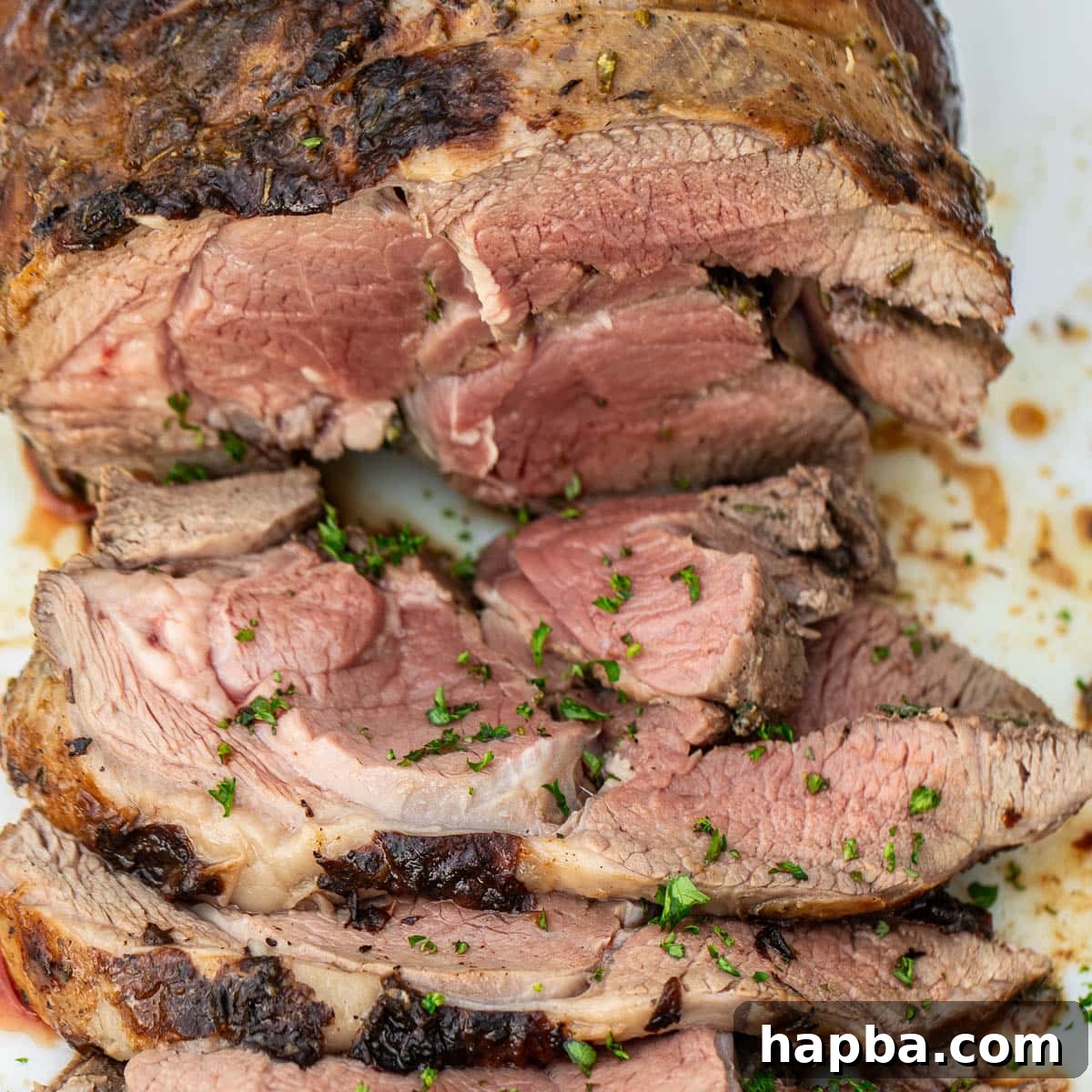
Master the Art of Roasted Boneless Leg of Lamb: Your Ultimate Guide for a Flavorful Feast
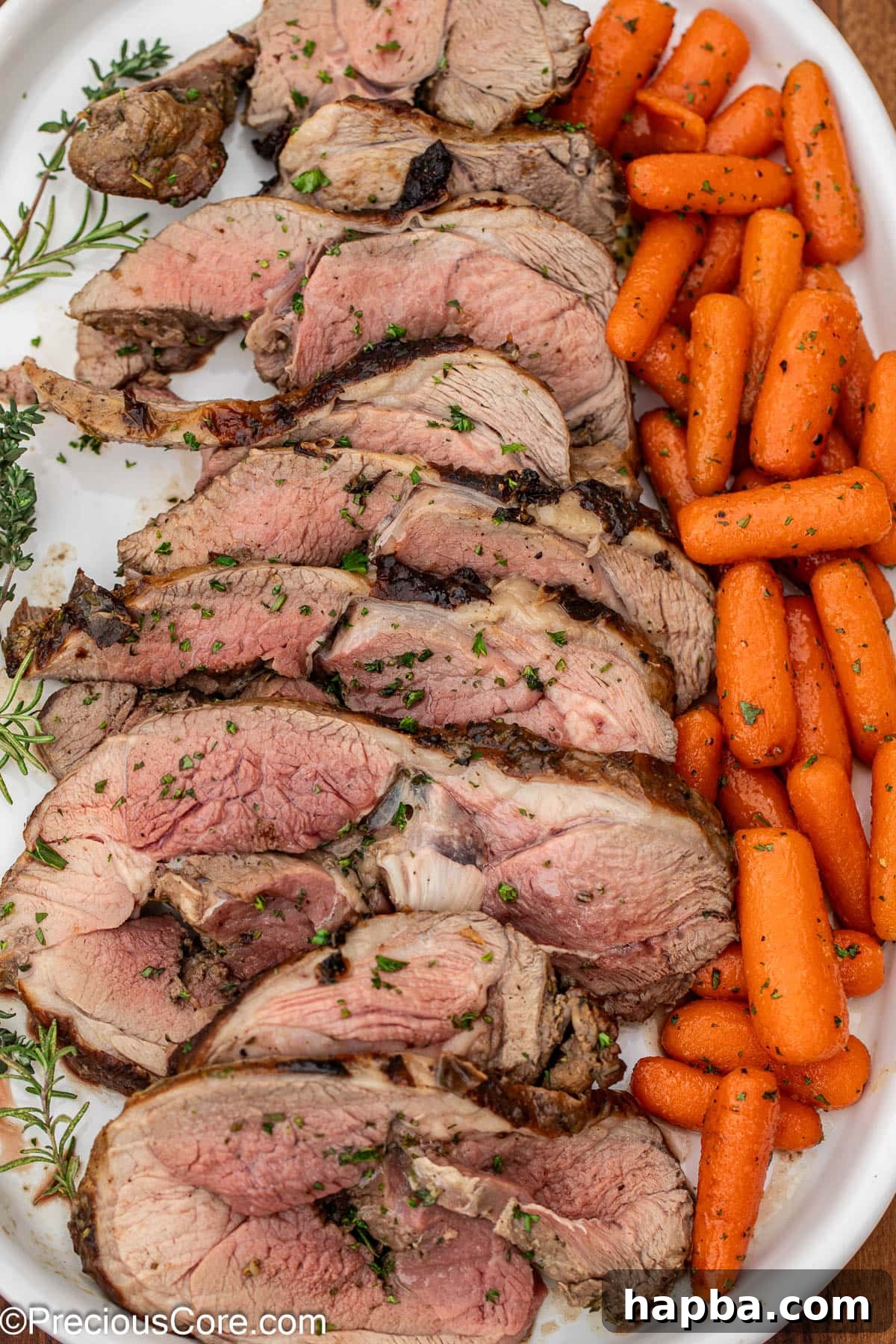
Prepare to create a truly unforgettable culinary masterpiece for your next gathering with this exceptional Roasted Boneless Leg of Lamb. Infused with a vibrant blend of aromatic herbs, pungent fresh minced garlic, and bright, zesty lemon juice, this recipe yields an exceptionally succulent, tender, and flavorful roast. It’s the perfect showstopping centerpiece for cherished celebrations like Christmas dinner, Easter brunch, Valentine’s Day, or any special occasion where you want to impress your guests with minimal stress.
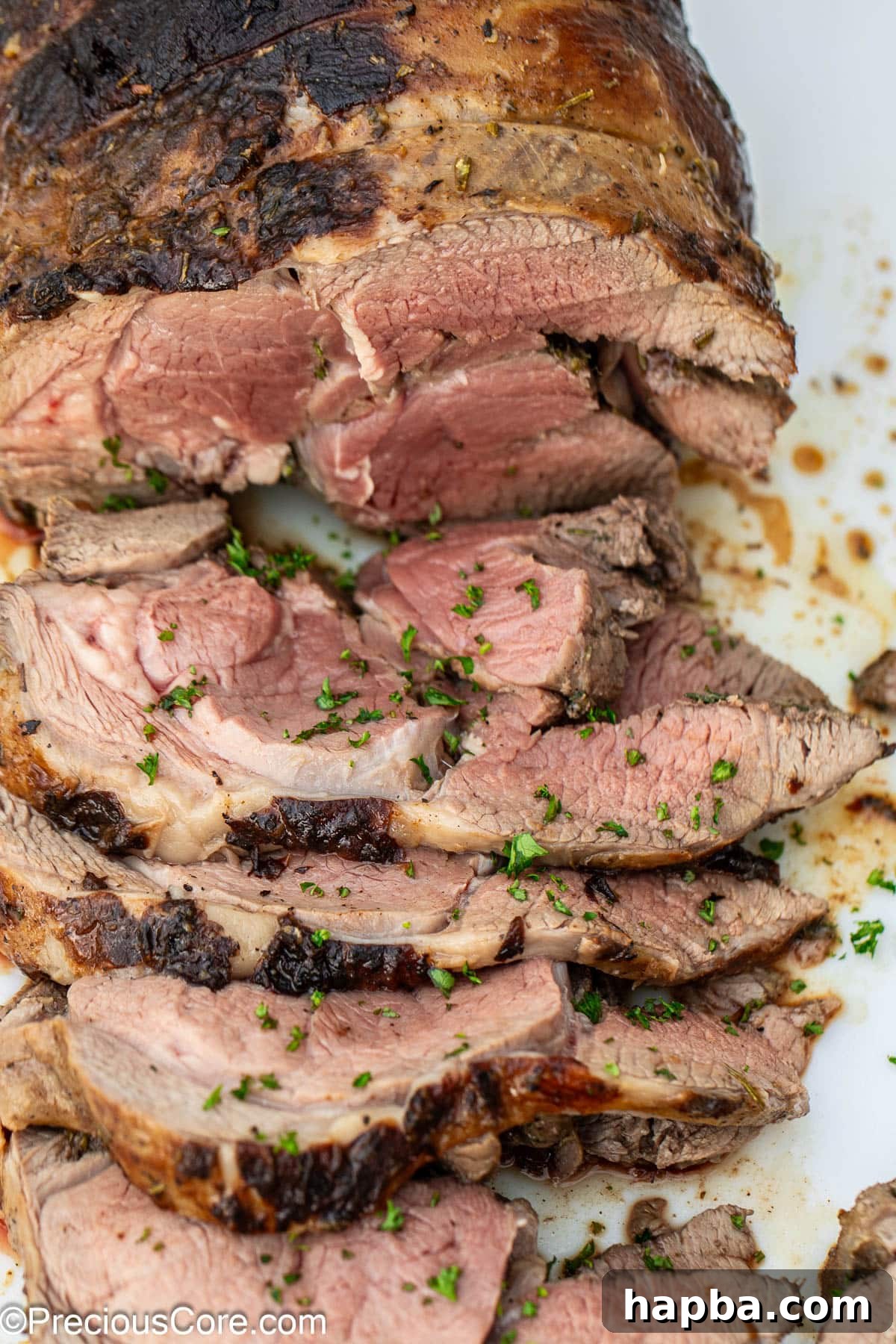
This rich and tender leg of lamb promises to be the undisputed star of any dinner party. Its profound flavor profile, combined with its elegant presentation, makes it ideal for festive holidays and intimate celebrations alike. For a complete and balanced meal, consider pairing it with complementary side dishes such as Creamy Rosemary Garlic Mashed Potatoes or a medley of vibrant Perfectly Sautéed Vegetables. If you’re eager to explore more mouth-watering lamb preparations, don’t miss our recipe for Succulent Pan-Seared Lamb Chops.
Table of Contents
- The Ultimate Boneless Leg of Lamb Recipe
- Why This Roasted Boneless Leg of Lamb Recipe Will Be Your New Favorite
- Essential Ingredients for Your Lamb Roast
- Step-by-Step Guide: How To Roast Boneless Leg Of Lamb
- Customizing Your Lamb Roast: Substitutions and Variations
- Achieving Perfection: Your Leg of Lamb Cooking Guide
- Expert Tips for the Best Roasted Boneless Leg of Lamb
- Frequently Asked Questions About Roasting Lamb
- Delectable Serving Suggestions
- More Irresistible Recipes to Try
- Full Recipe Card: Roasted Boneless Leg of Lamb
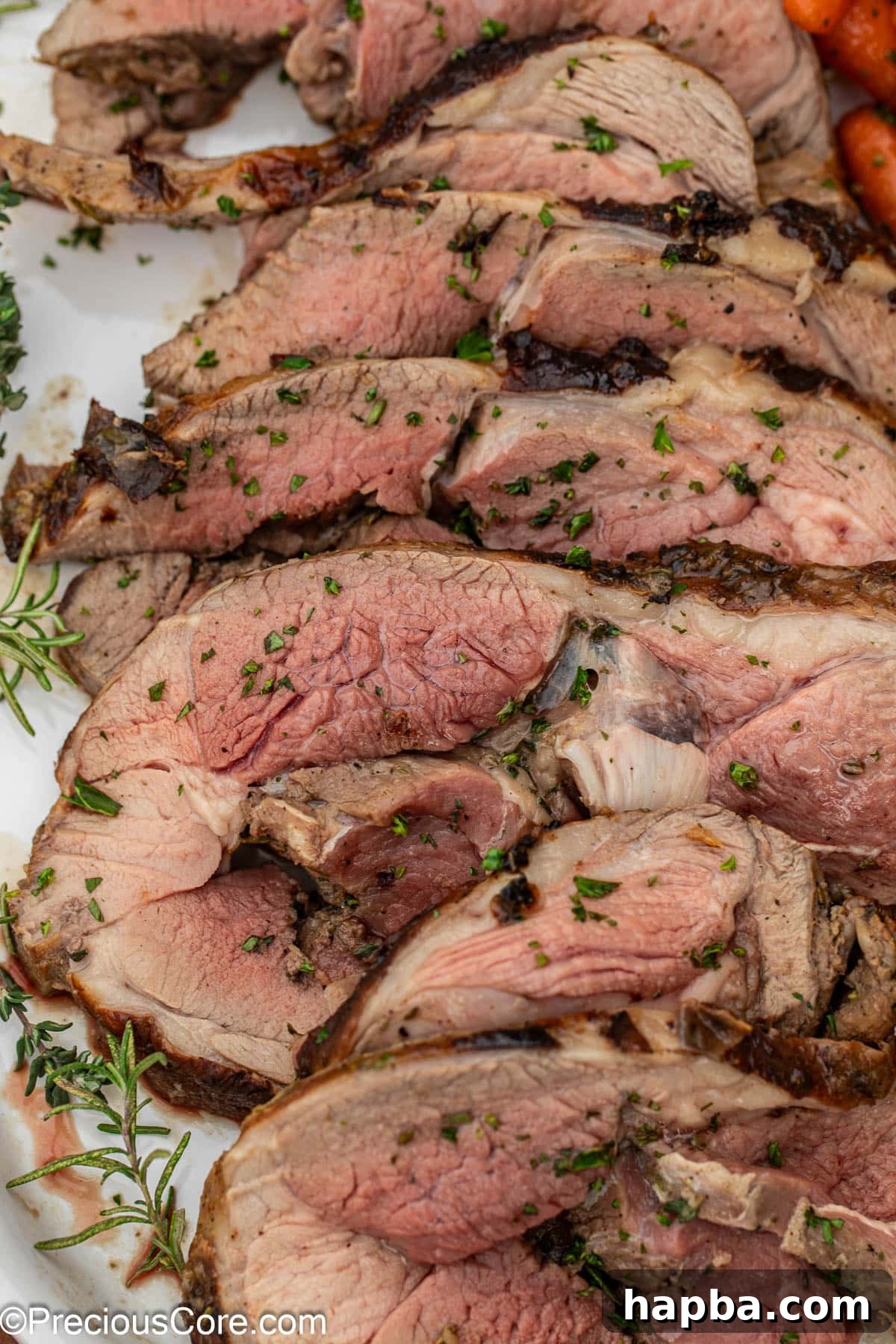
The Ultimate Boneless Leg of Lamb Recipe
Embarking on a culinary adventure with larger cuts of meat can sometimes feel daunting, especially for those new to roasting. But fear not! This guide breaks down the process into remarkably simple and straightforward steps, making this elegant dish accessible to cooks of all experience levels, even absolute beginners. My method ensures an easy yet impressive outcome that will have everyone believing you’re a seasoned chef.
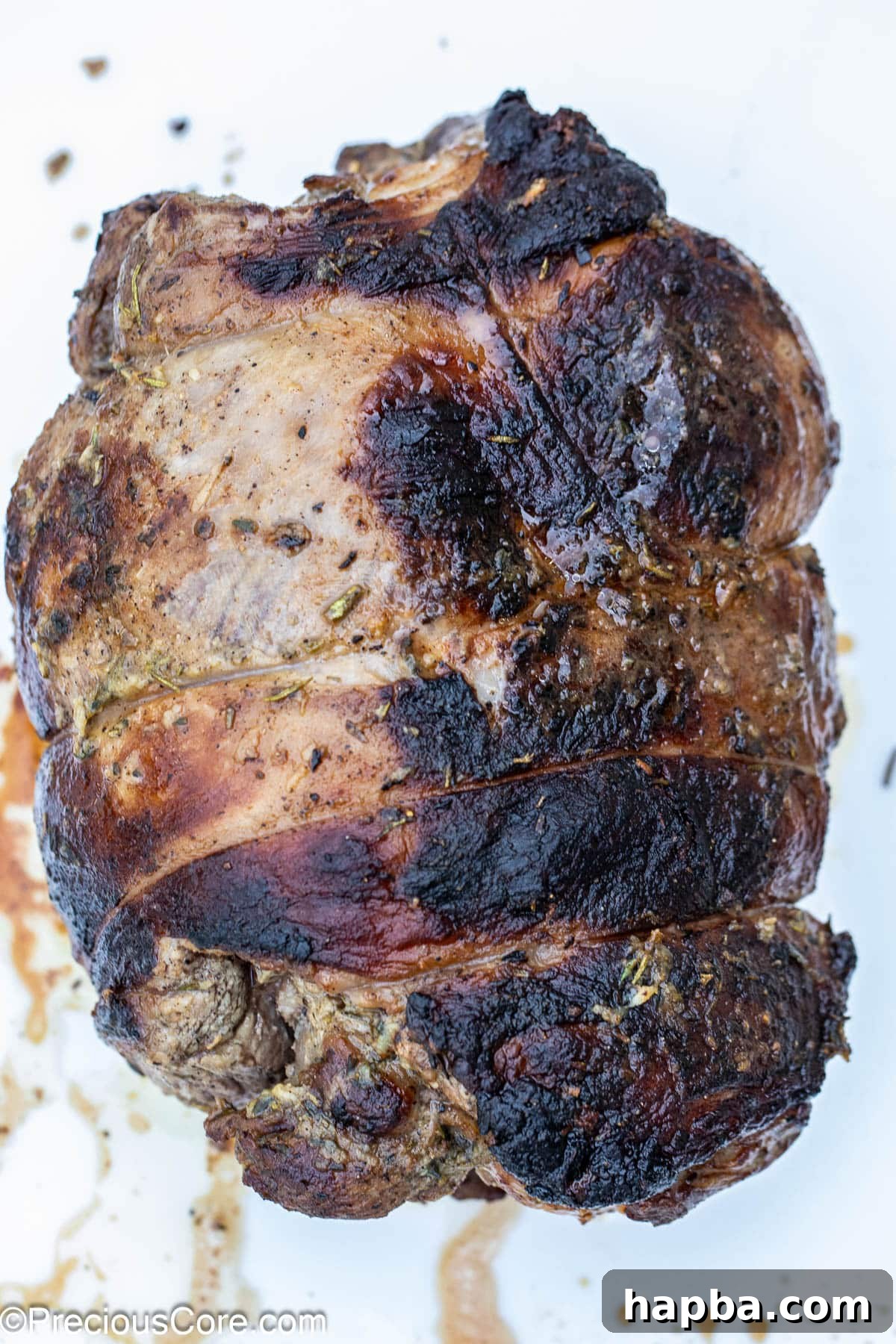
A key technique in this boneless leg of lamb recipe involves searing the meat in a hot cast iron skillet before it goes into the oven. This initial high-heat exposure is crucial; it caramelizes the exterior, creating a deep, rich brown color and an irresistible, savory crust. More importantly, this searing process helps to lock in the precious juices, ensuring that every slice of your roasted lamb is incredibly succulent and bursting with flavor from the inside out.
Why This Roasted Boneless Leg of Lamb Recipe Will Be Your New Favorite
- Effortlessly Elegant with Minimal Hands-On Time: Don’t let the sophisticated appearance fool you – this easy lamb roast recipe demands surprisingly little active preparation. The most time-consuming part is simply allowing the lamb to marinate, infusing it with flavor while you go about your day. The actual cooking steps are quick, straightforward, and largely hands-off, leaving you more time to enjoy your guests or relax.
- Stunning Presentation That Impresses: If your goal is to wow your family and friends, look no further. Despite its simple list of wholesome ingredients, this recipe consistently delivers a large, elegantly roasted centerpiece that commands attention. It’s perfectly suited for holiday tables, intimate family dinners, or any occasion where you want to make a memorable culinary statement without stress.
- Remarkably Versatile and Adaptable: This incredibly juicy roasted lamb is a dream for creative cooks. Its robust yet balanced flavor pairs beautifully with an extensive array of side dishes, giving you ample room to customize your meal. From rich buttered leeks and sweet glazed carrots to a fresh, crisp mixed green salad or roasted root vegetables, the possibilities are endless. Plus, any delicious leftovers can be transformed into gourmet tacos, satisfying sandwiches, or hearty salads, offering exciting second-day meal options.
- Healthy and Wholesome Goodness: Lamb is not only delicious but also a fantastic source of protein, essential vitamins, and minerals. This recipe focuses on fresh, natural ingredients and healthy cooking methods, making it a nutritious choice for your dinner table.
- Perfect for Meal Prep: While best served fresh, the marinated lamb can be prepped a day in advance, reducing stress on the day of cooking. Leftovers also make for excellent, quick meals throughout the week.
Essential Ingredients for Your Lamb Roast
To craft this remarkably flavorful and noteworthy entree, you’ll only need a handful of fresh, simple ingredients. Each component plays a crucial role in building the dish’s complex and harmonious taste:
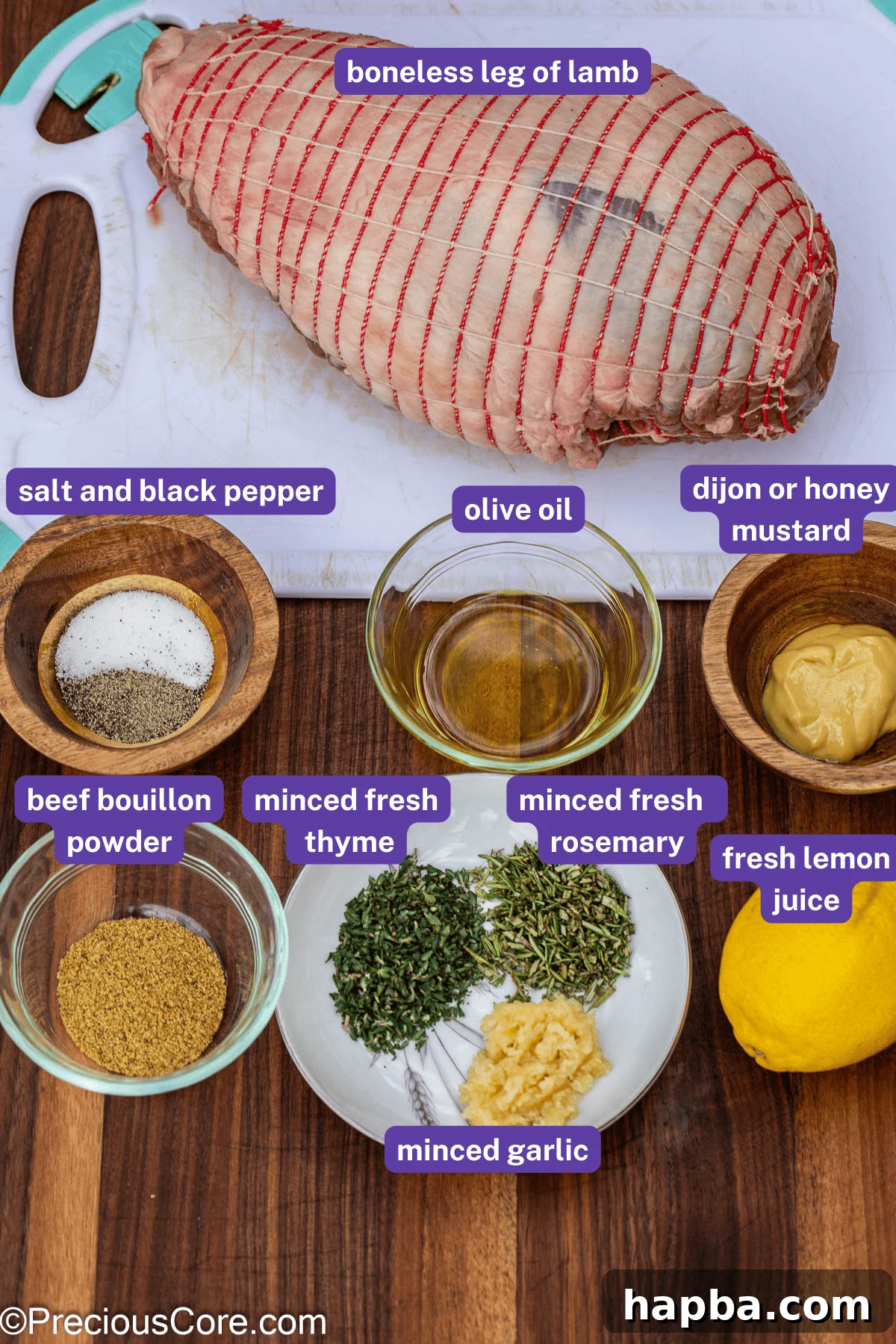
- Boneless Leg of Lamb: The star of our dish. Opting for a boneless leg significantly reduces cooking time compared to a traditional bone-in roast, making it a more convenient choice for busy cooks. When butterflied, it provides a larger surface area, allowing the marinade to penetrate deeply and infuse the meat with maximum sophisticated flavor. You can often find boneless leg of lamb at most well-stocked grocery stores, or you can ask your butcher to debone and butterfly a leg of lamb for you.
- Fresh Rosemary and Thyme: These delicate, fragrant herbs are classic partners for lamb. Their earthy, slightly peppery notes enhance the lamb’s natural richness and add incredible depth of flavor. Always choose fresh herbs over dried for a more vibrant and potent aromatic contribution.
- Lemon Juice: This essential acidic component serves multiple purposes. It tenderizes the lamb by breaking down some of its fibers, which allows for better absorption of the marinade. Furthermore, its bright, zesty character provides a refreshing contrast to the richness of the lamb, balancing the flavors and adding a pleasant lightness to the finished dish. For an even more pronounced citrus aroma, consider adding a touch of lemon zest to your marinade.
- Fresh Garlic: The difference between fresh garlic cloves and dried garlic powder in this recipe is truly transformative. Using freshly minced garlic delivers a potent, robust, and pronounced garlicky flavor that simply can’t be replicated. This ingredient provides a savory umami kick that elevates the entire dish.
- Mustard: Whether you choose honey mustard for a touch of sweetness or Dijon mustard for a sharper, tangier profile, this ingredient is vital. It introduces a contrasting taste to the sweet herbs and bright lemon, achieving a perfectly balanced flavor profile. Mustard also acts as an emulsifier, helping the marinade cling to the meat.
- Beef Bouillon Powder: A secret weapon for an extra layer of savory depth and richness. Beef bouillon powder enhances the umami flavor of the lamb, contributing to a more profound and satisfying taste profile.
Beyond these key players, you will also need basic pantry staples like quality salt, freshly ground black pepper, and a good quality olive oil. For precise measurements and detailed instructions, refer to the full recipe card at the bottom of this page!
Step-by-Step Guide: How To Roast Boneless Leg Of Lamb
Creating a perfectly roasted leg of lamb, even if it’s your inaugural attempt, is surprisingly simple with these detailed, easy-to-follow steps. Embrace the process, and you’ll be rewarded with a magnificent dish. Here’s how to prepare a delicious Roasted Boneless Leg of Lamb, complete with helpful tips and visuals:
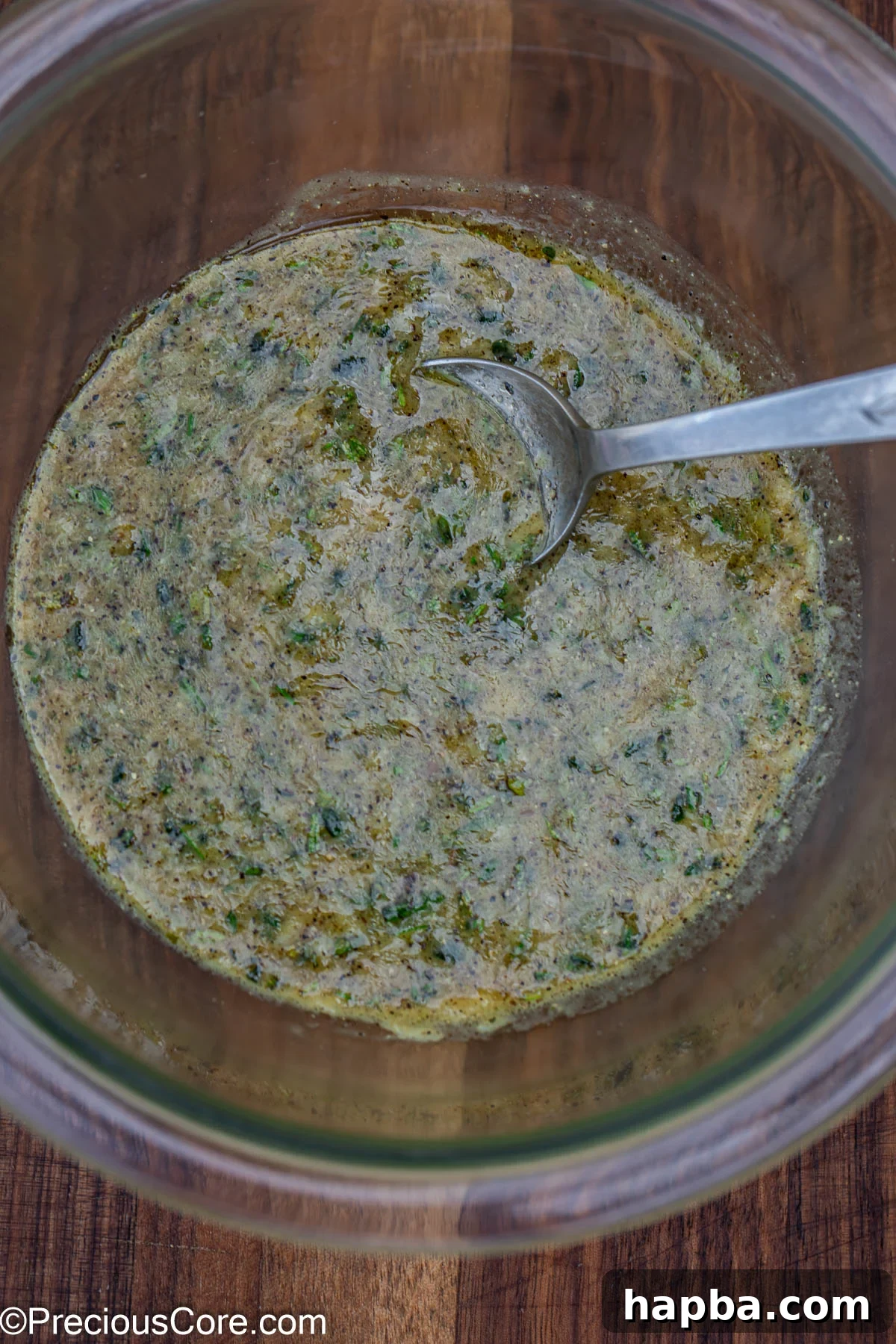
- Prepare the Flavorful Marinade: In a small mixing bowl, combine all the marinade ingredients: fresh lemon juice, olive oil, your chosen mustard (honey or Dijon), finely minced fresh garlic, salt, freshly ground black pepper, fresh minced rosemary, fresh minced thyme, and the beef bouillon powder. Whisk everything together thoroughly until it forms a well-combined, aromatic paste. This potent blend is the secret to our lamb’s incredible flavor.
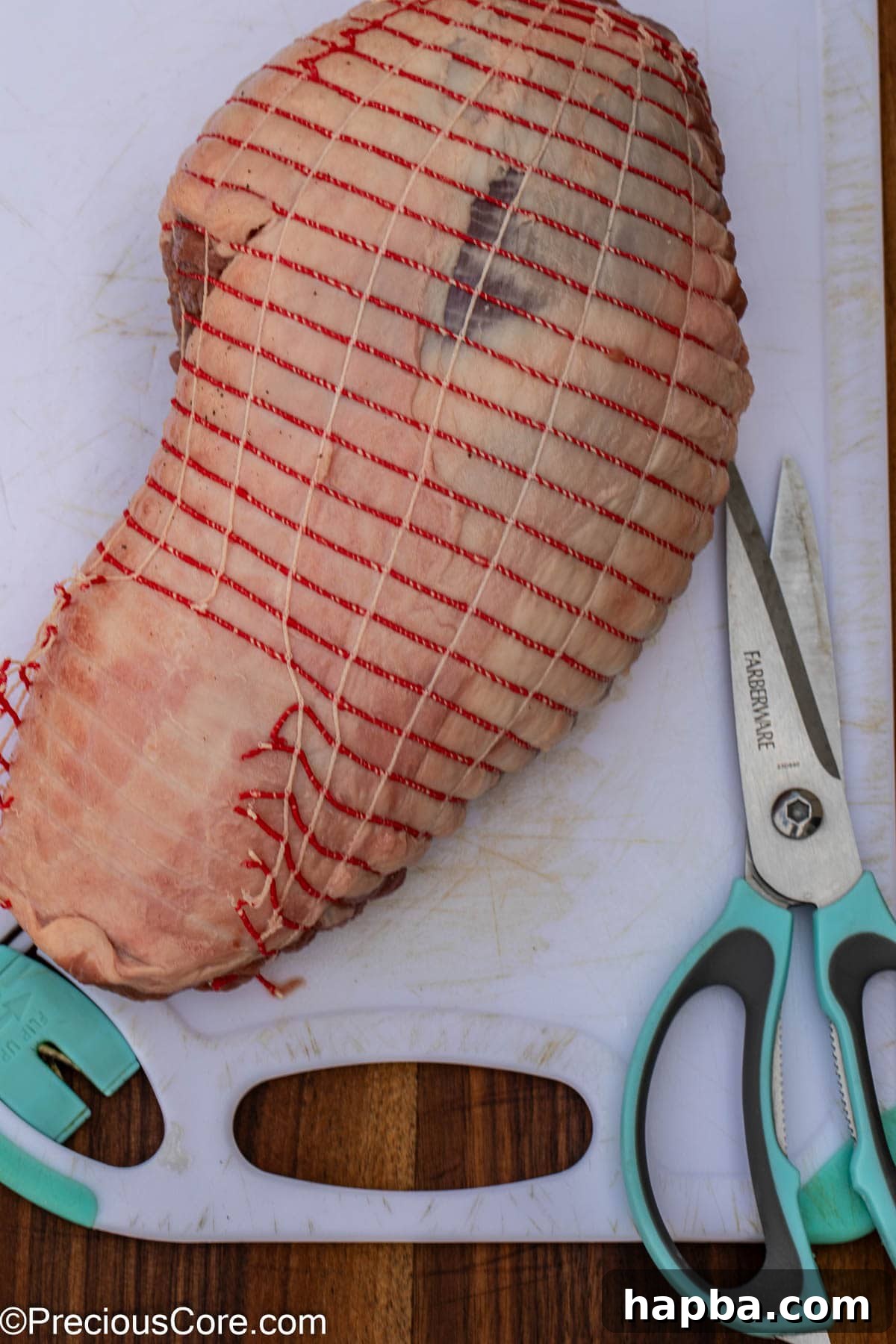
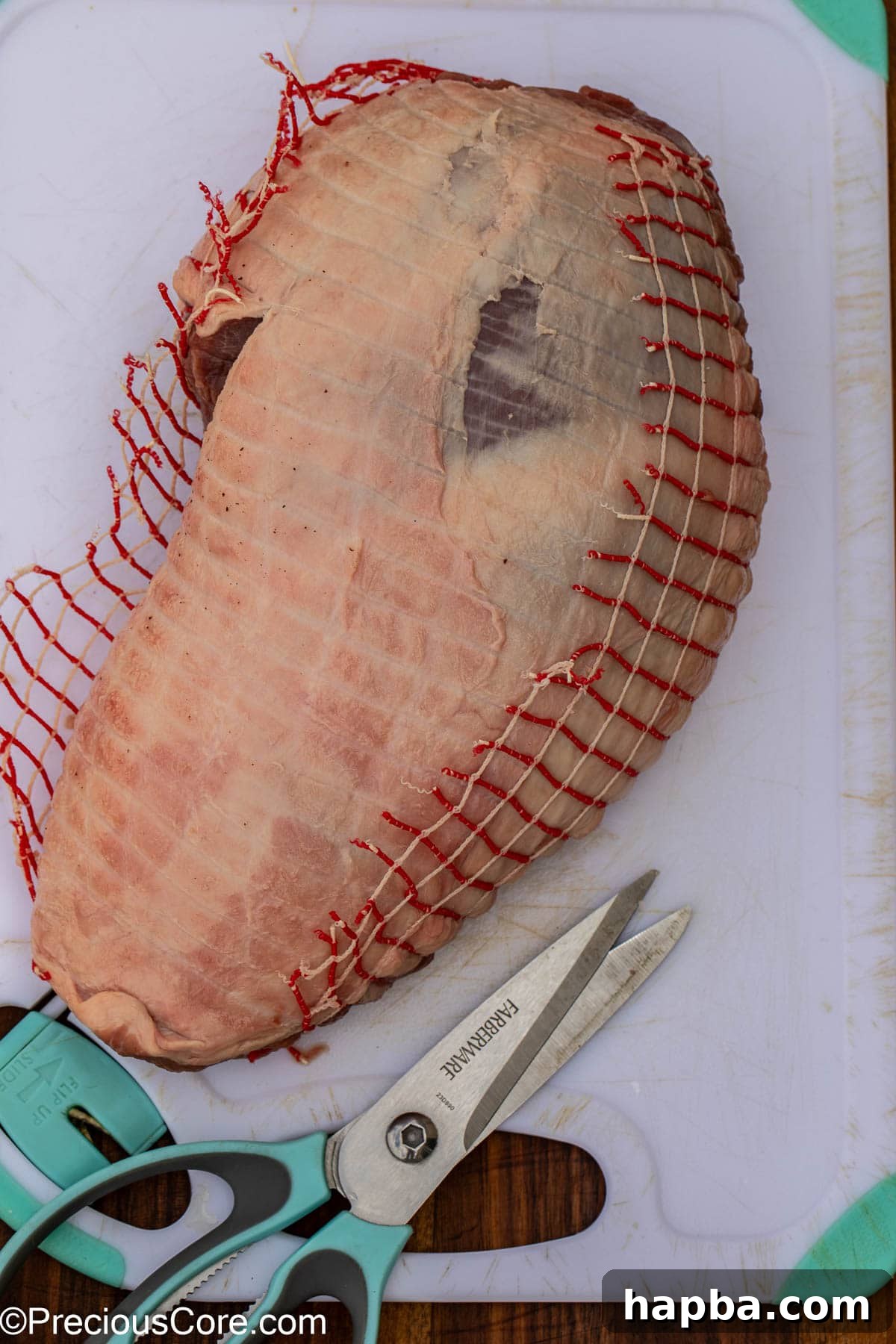
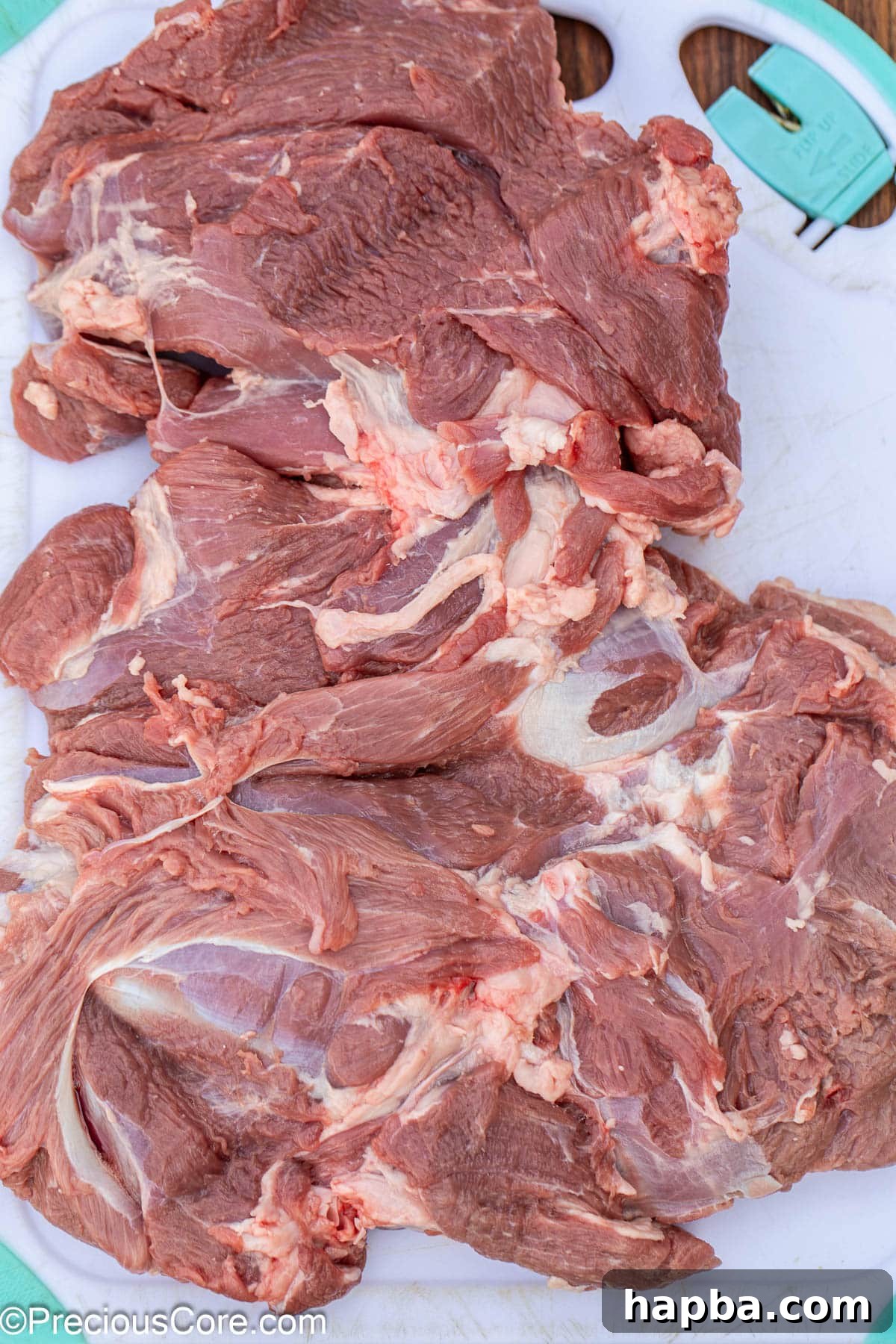
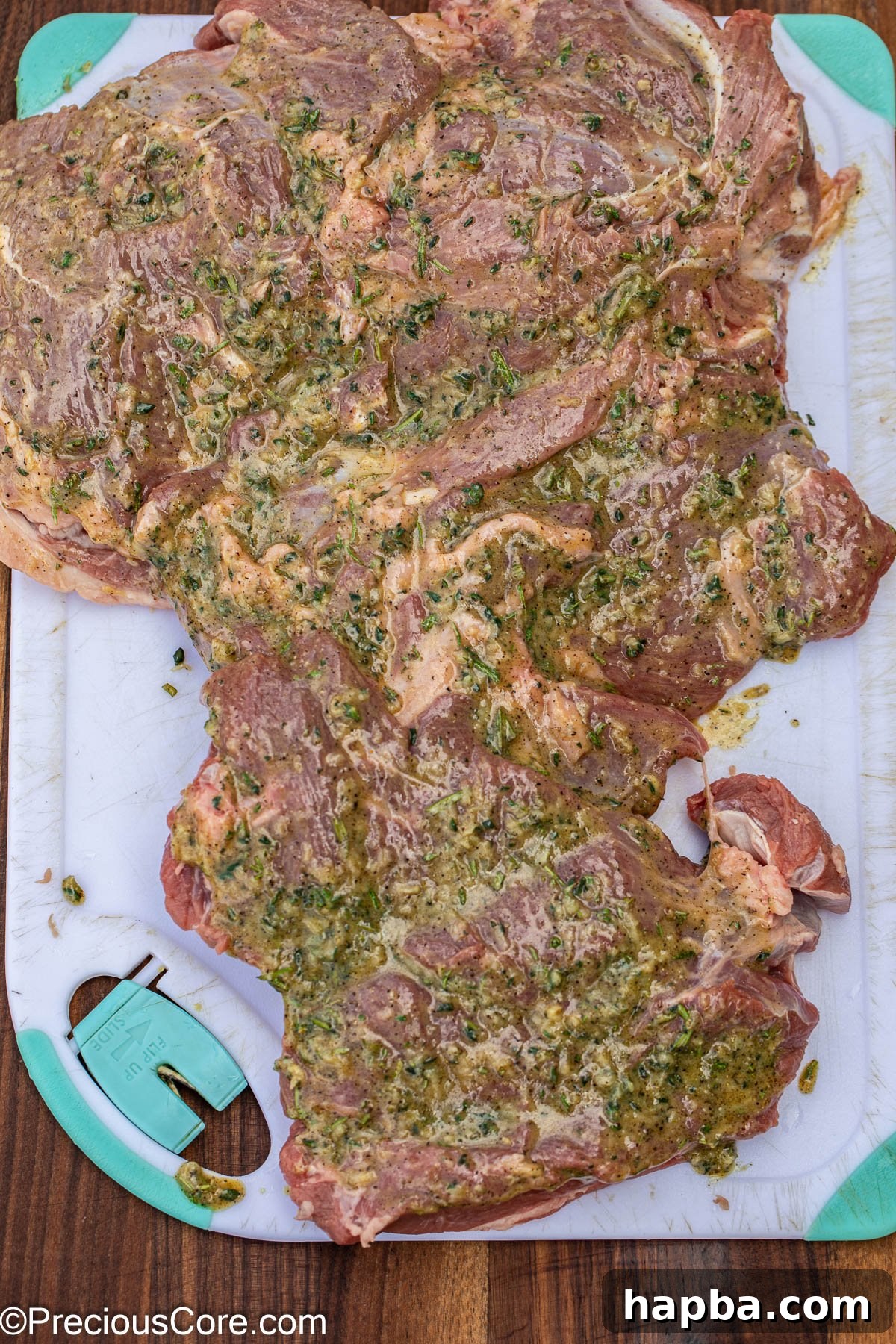
- Butterfly and Season the Lamb: Begin by carefully removing any netting or packaging from your boneless leg of lamb using kitchen scissors. Next, you’ll butterfly the lamb: make a lengthwise cut along the side of the meat, being careful not to cut all the way through, allowing it to open up like a book. This creates a larger, flatter surface area. Lay the butterflied lamb flat with the interior facing upwards. Generously rub two-thirds of your prepared marinade all over the interior surface of the lamb, ensuring every nook and cranny is coated.
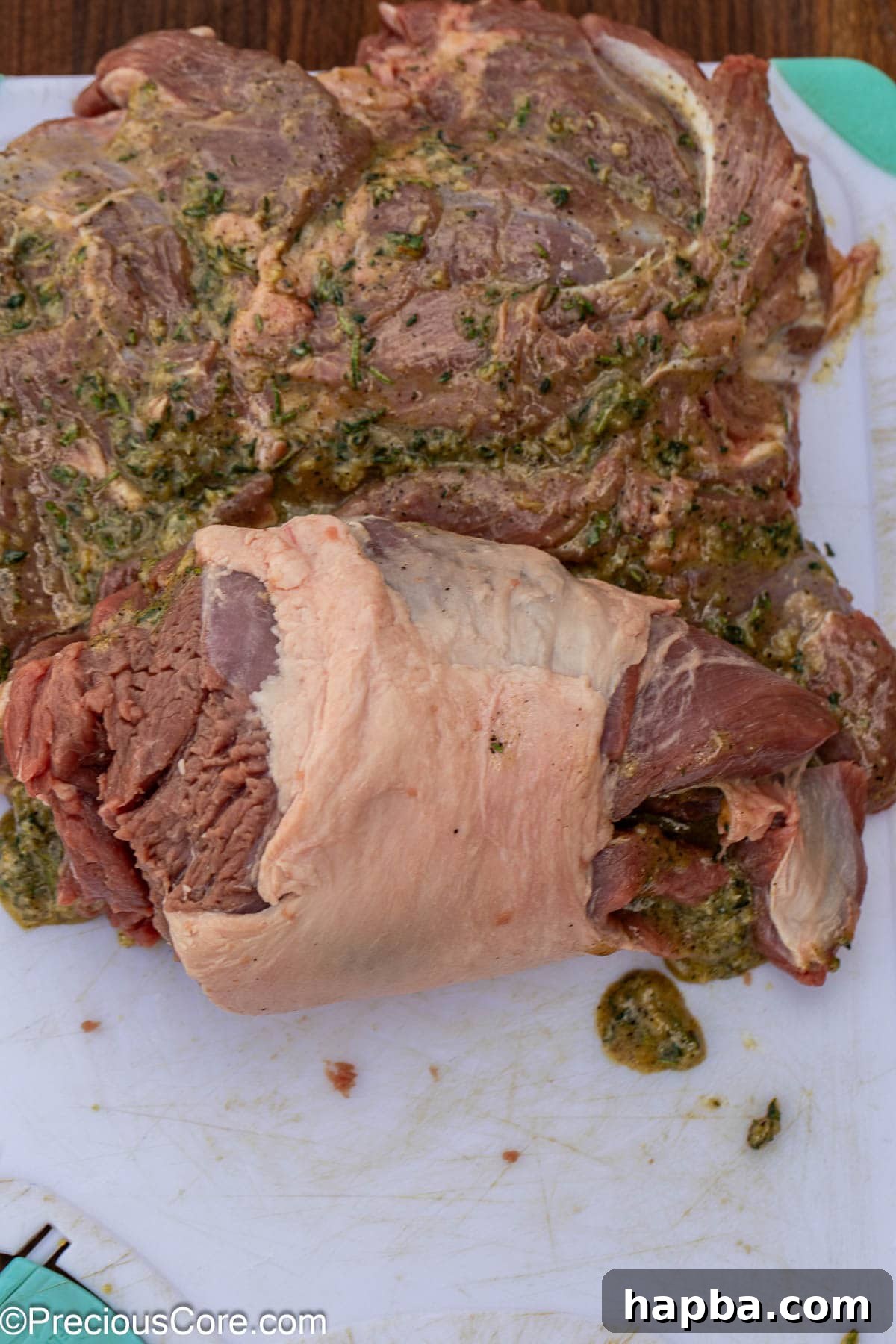
- Roll and Tie the Lamb: Once the interior is well-seasoned, carefully roll the lamb tightly into a compact log, starting from one of the shorter sides. This ensures even cooking and a beautiful presentation. Secure the rolled lamb with kitchen twine, placing ties at approximately 1 to 2-inch intervals along its length. Make sure the ties are snug but not so tight they cut into the meat. Finally, brush the remaining marinade over the entire exterior of the tied lamb, reserving just one tablespoon of marinade for basting later during the roasting process.
- Marinate for Maximum Flavor: Transfer the seasoned and tied lamb log into a large mixing bowl. Cover the bowl tightly with plastic wrap, ensuring an airtight seal. Refrigerate the meat to marinate for a minimum of 2 hours, but for the most profound and tender results, marinating overnight (8-12 hours) is highly recommended. This allows the flavors to meld and the lemon juice to work its tenderizing magic.
- Bring to Room Temperature and Preheat Oven: Approximately one hour before you plan to cook, remove the lamb from the refrigerator. Allow it to rest on the counter and come closer to room temperature. This crucial step helps the lamb cook more evenly. While it’s resting, preheat your oven to 350°F (180°C).
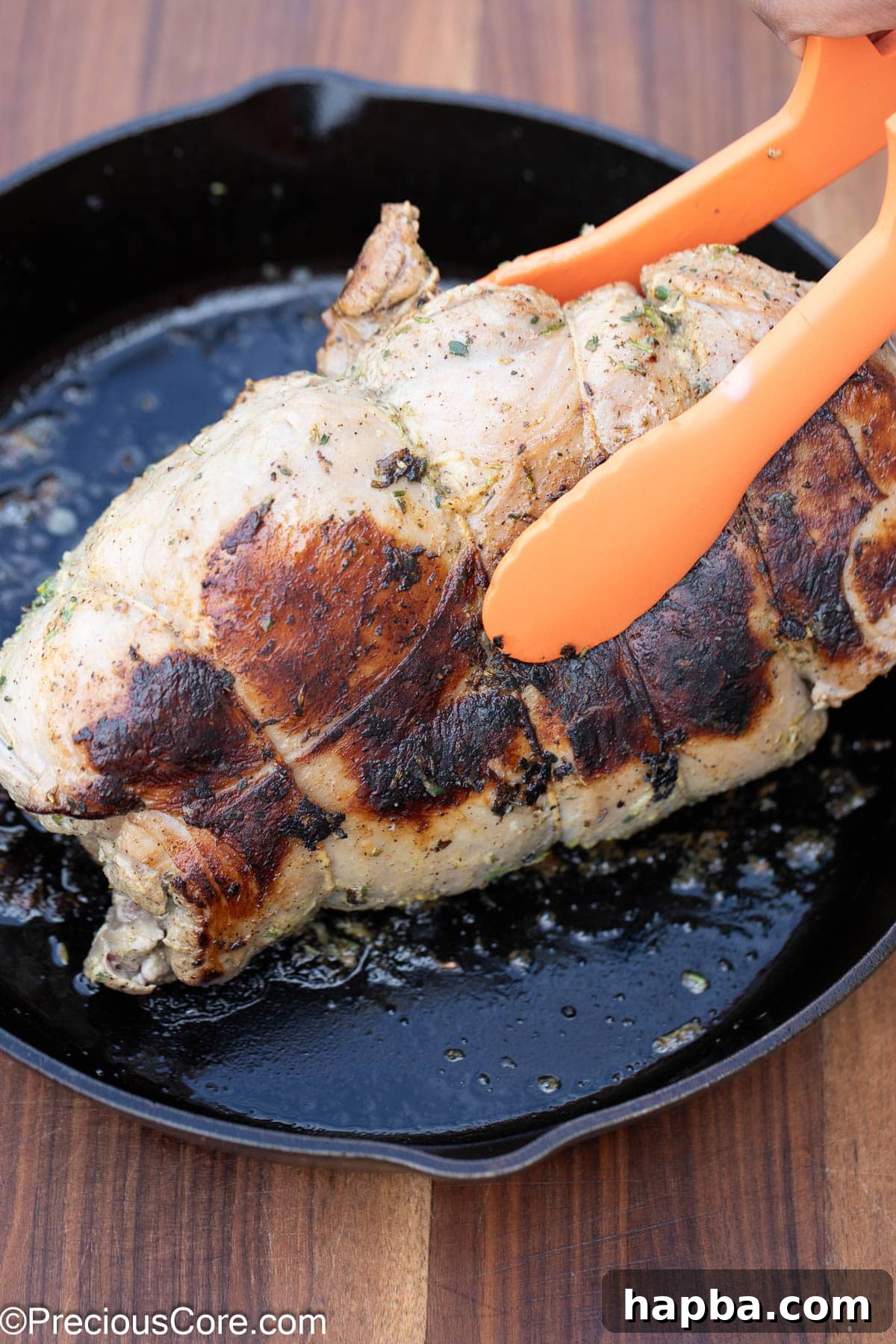
- Sear the Lamb to Perfection: Place a 12-inch oven-safe skillet (a cast iron skillet is ideal for its heat retention) over medium-high heat. Let it heat until it is smoking hot. Add 1 tablespoon of olive oil to the hot skillet, then carefully place the lamb into the skillet. Sear the lamb for about 4 minutes on one side until it develops a deep, rich brown color and a beautiful crust. Flip it over and sear for another 4 minutes on the opposite side. Use tongs to lift and support the lamb, searing all remaining sides (ends) for 3-4 minutes each, ensuring a consistent crust all around. This searing step is vital for flavor and appearance.
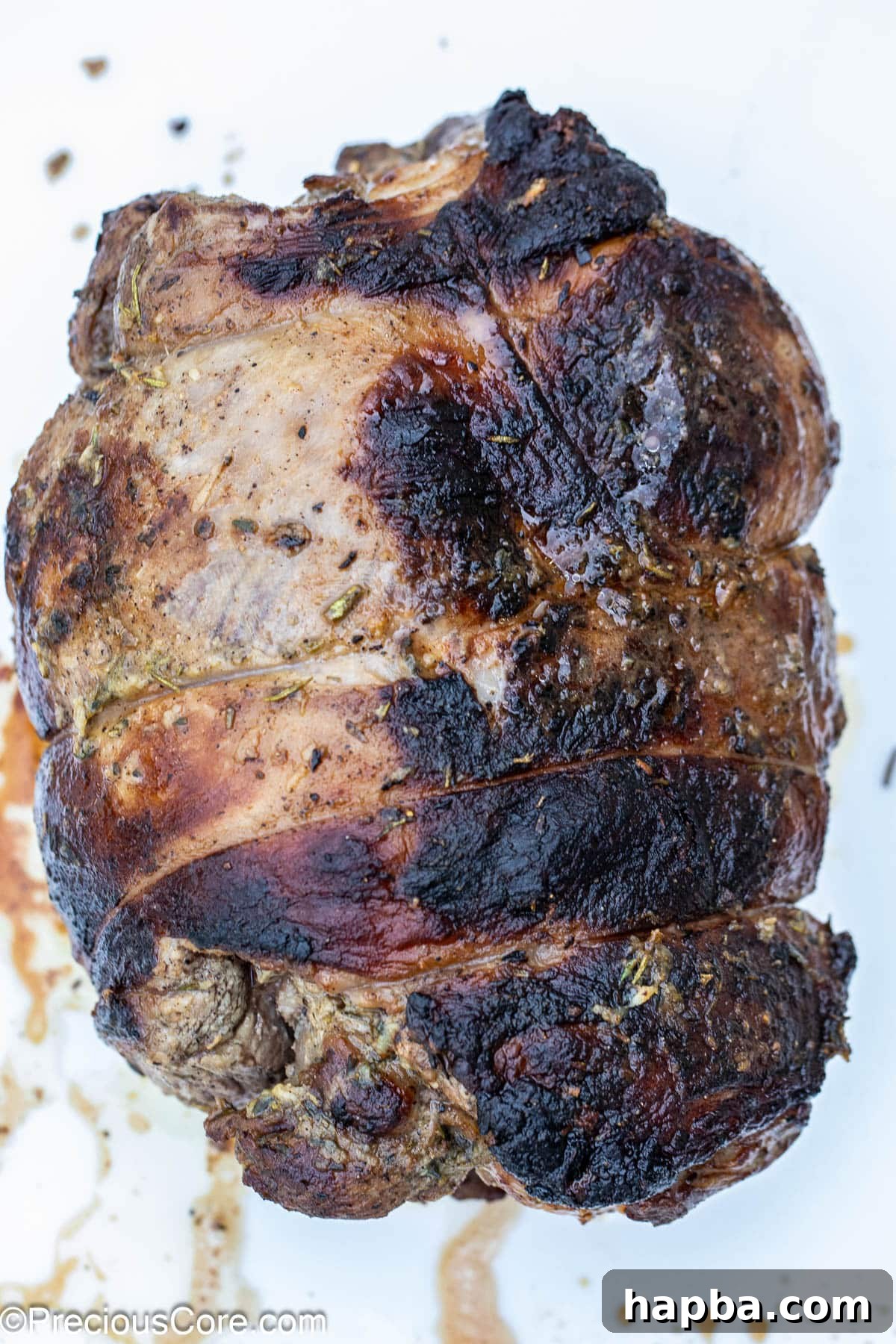
- Roast in the Oven: Loosely cover the skillet containing the seared lamb with aluminum foil. This helps to create a steamy environment initially, keeping the lamb moist. Carefully transfer the skillet to your preheated oven. Allow the lamb to roast for approximately 30 minutes. After the first 20 minutes of roasting, remove the foil and continue to roast the lamb uncovered for the remaining 10 minutes, or until it reaches your desired level of doneness. (Refer to our comprehensive lamb cooking guide below for precise temperature guidelines). You can also use a traditional roasting pan if your skillet isn’t oven-safe.
- Rest Before Slicing: Once the lamb has reached its desired internal temperature, remove it from the oven and transfer it to a clean cutting board. Tent it loosely with aluminum foil and let it rest for a crucial 10 to 15 minutes. This resting period is paramount: it allows the meat fibers to relax and reabsorb the juices, resulting in an incredibly tender and succulent roast. Skipping this step will cause the juices to run out when sliced, leading to a drier lamb.
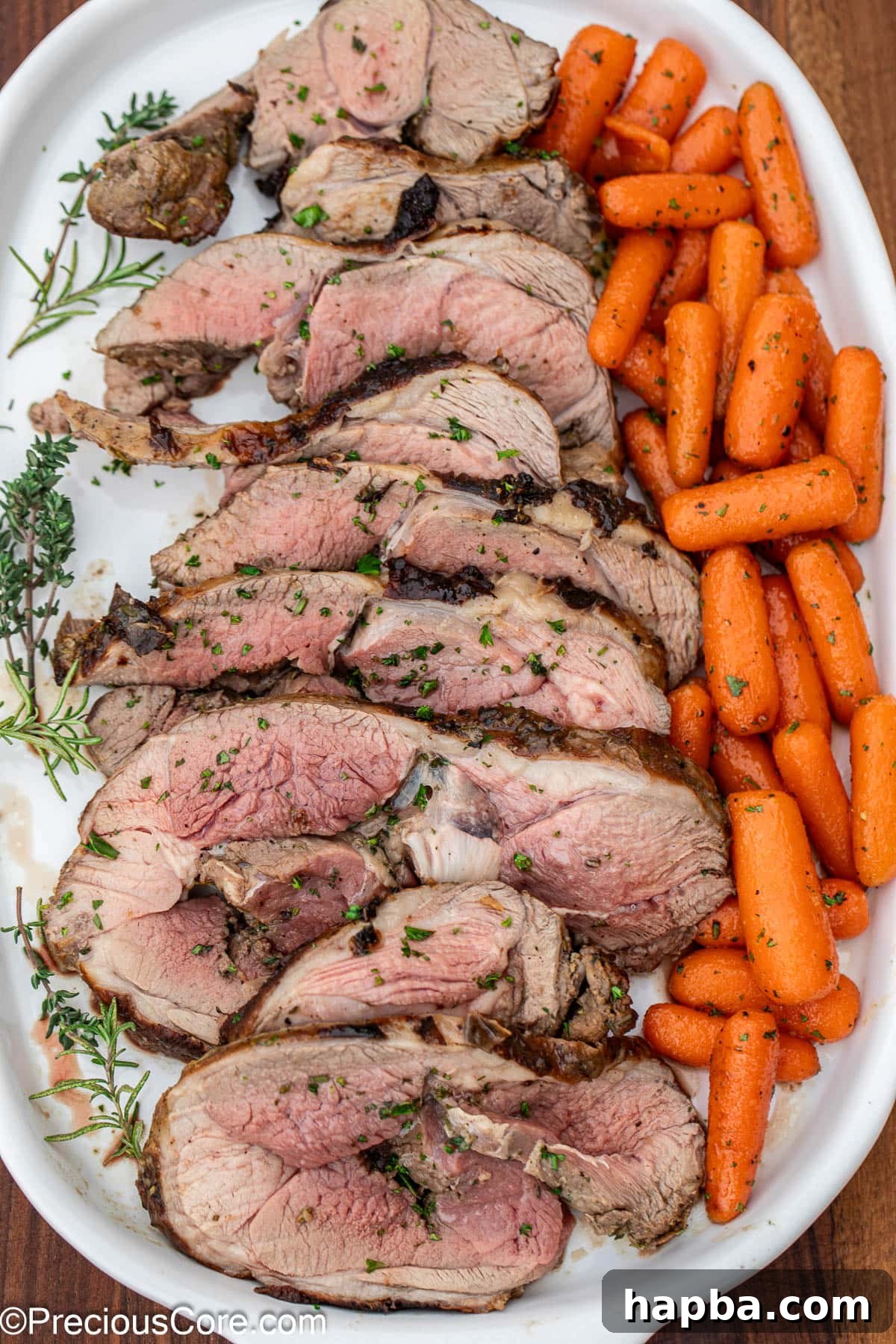
- Carve and Serve: After resting, remove the kitchen twine from the lamb. Using a sharp carving knife, slice the lamb against the grain into desired thickness. Serve your magnificent Roasted Boneless Leg of Lamb warm, surrounded by your favorite side dishes, and prepare for rave reviews!
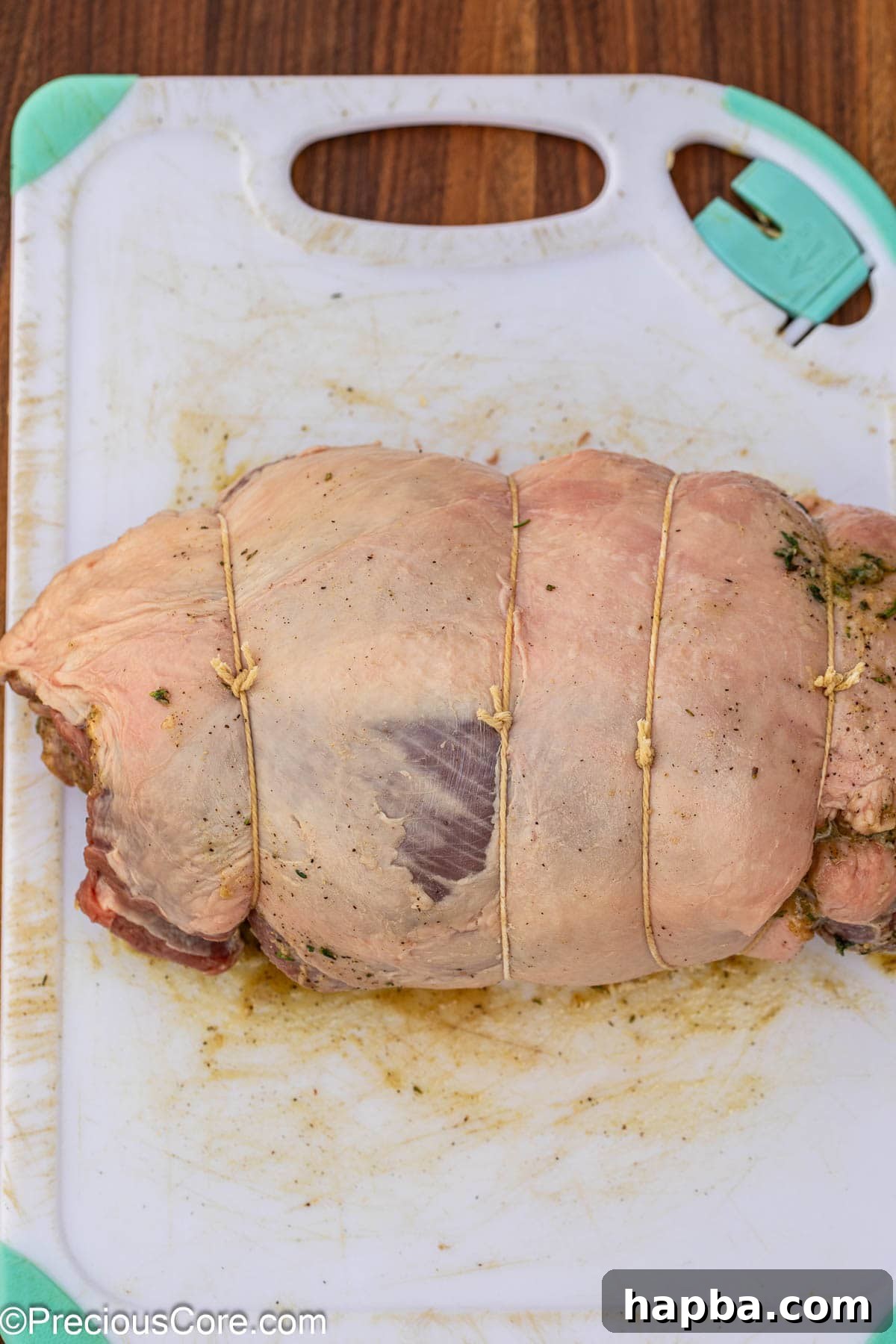
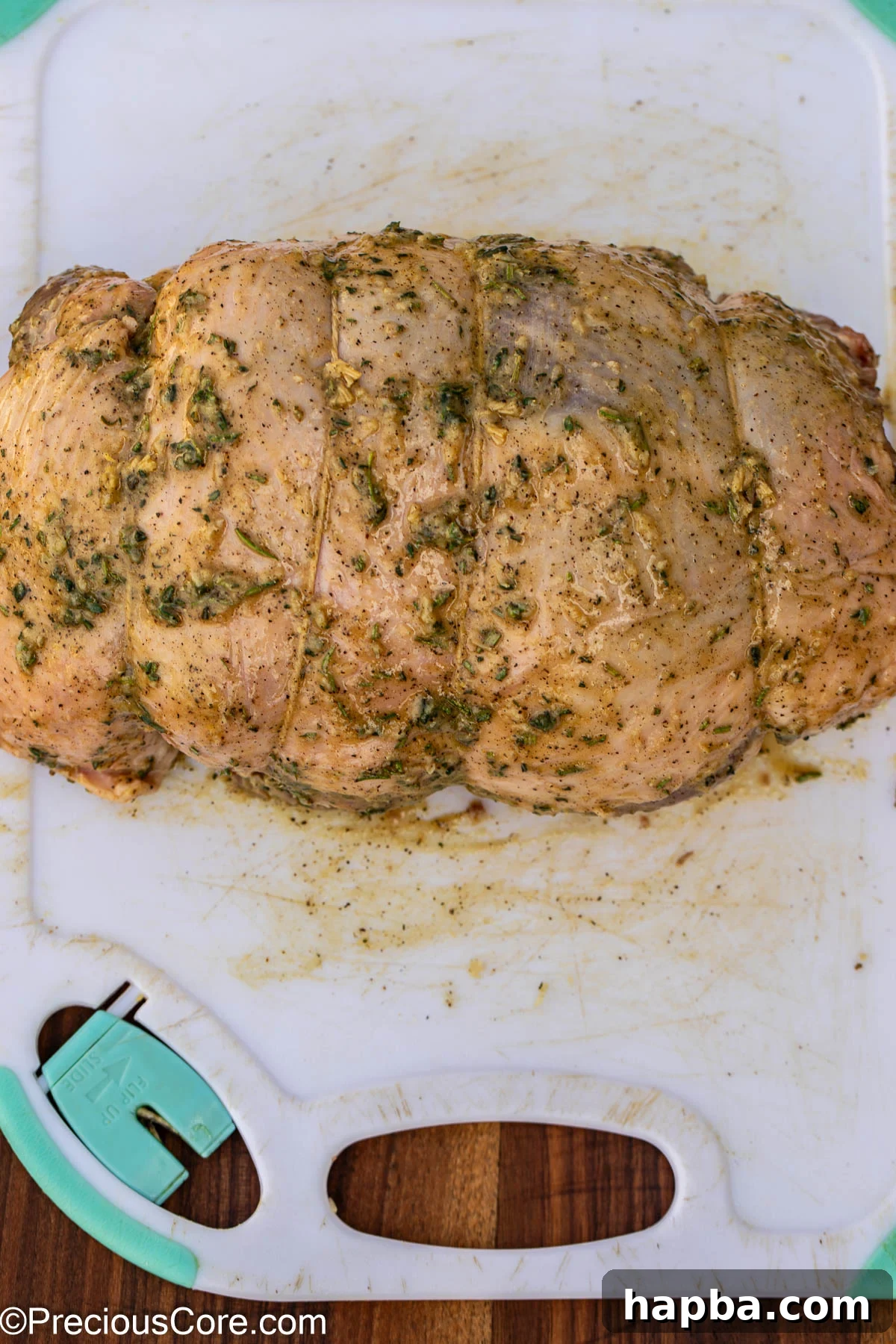
Top Tip: Butterflying a Leg of Lamb
To butterfly a leg of lamb, make a deep, lengthwise cut along the side of the meat, avoiding cutting completely through, so it can open flat like a book. This technique allows for significantly quicker and more even cooking, while also maximizing the surface area for your delicious marinade to penetrate every fiber of the meat.
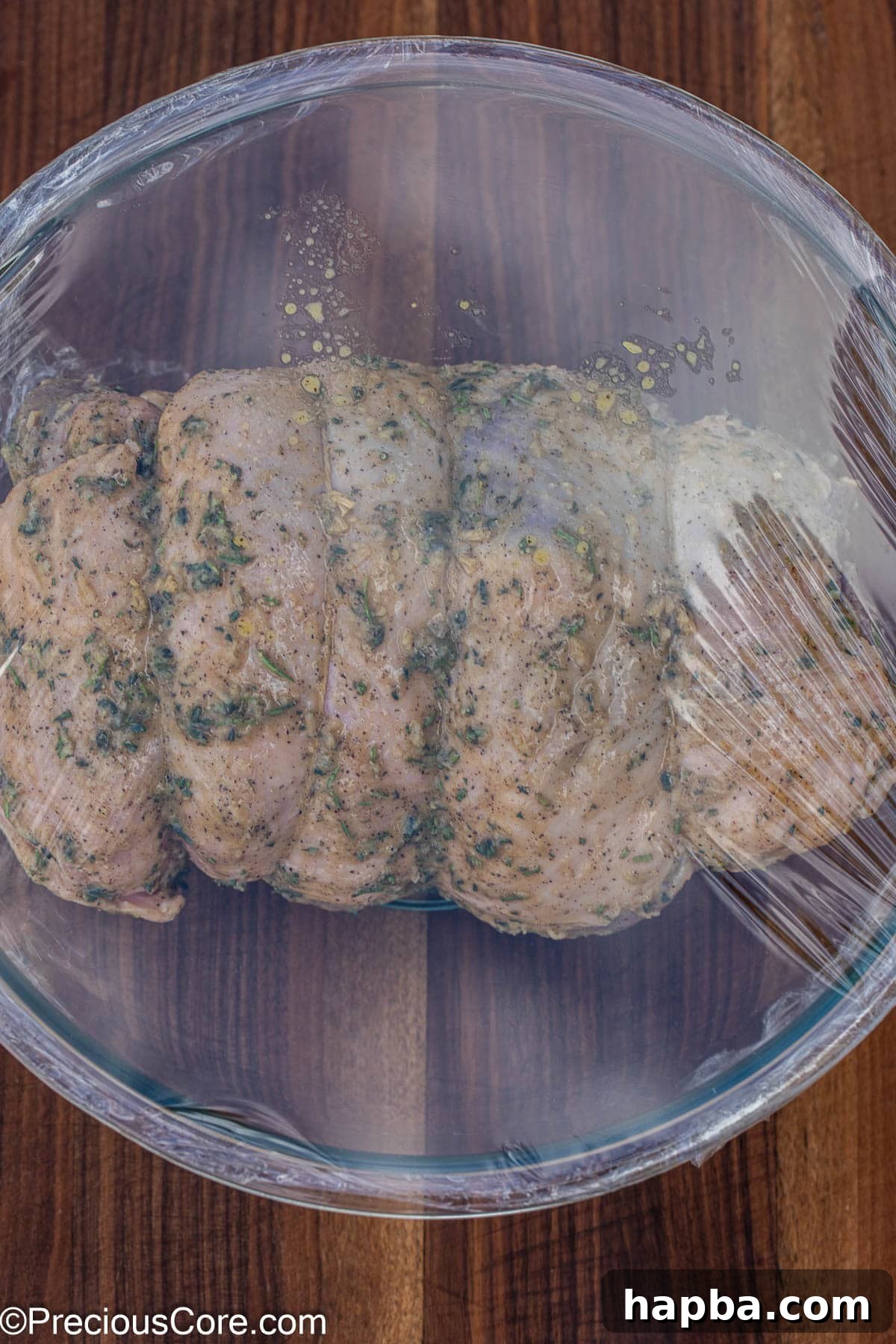
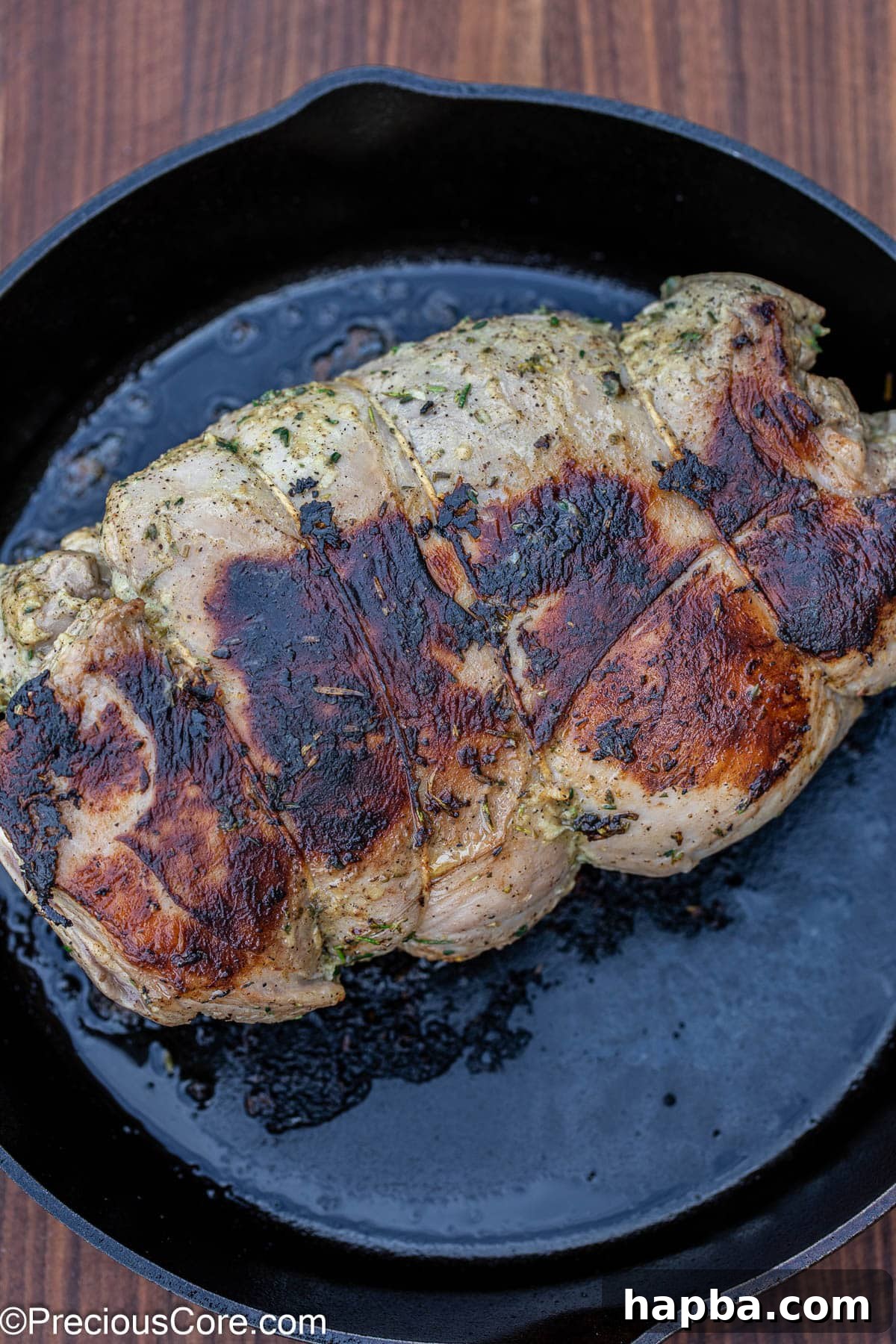
Top Tip: The Importance of Resting Meat
Always allow your roasted lamb to rest for at least 10 to 15 minutes before carving. This critical step enables the meat to reabsorb its internal juices, ensuring every slice is incredibly tender, moist, and flavorful. Cutting too soon will result in a dry roast as the juices escape.
Customizing Your Lamb Roast: Substitutions and Variations
This roasted boneless leg of lamb recipe is incredibly versatile, allowing for easy customization to suit your taste preferences or available ingredients. Don’t hesitate to experiment!
- Bone-In Leg of Lamb: If you prefer to use a bone-in leg of lamb, it is absolutely an option. Keep in mind that a bone-in roast will require a longer cooking time. The key to perfection, regardless of bone presence, is to rely on an accurate meat thermometer to gauge doneness, rather than solely on cooking time. The bone can also add a subtle depth of flavor to the pan drippings.
- Infuse a Fiery Kick: For those who love a bit of heat, easily transform your lamb into a spicy sensation. Incorporate a pinch of cayenne pepper, a generous amount of crushed red pepper flakes, or a smoky chili powder into the marinade blend. Start with a small amount and adjust to your preferred level of spice.
- Create a Convenient One-Pan Meal: Streamline your cooking and cleanup by turning this into a fantastic one-pan meal. After searing the lamb in your oven-safe skillet, arrange quick-cooking vegetables around the roast. Consider adding chopped potatoes, carrots, parsnips, bell peppers, or thick-cut onions. These vegetables will roast alongside the lamb, absorbing all the aromatic flavors and pan juices, creating a truly harmonious and flavorful dinner with minimal effort.
- Herb Garden Freshness: While rosemary and thyme are classic, feel free to experiment with other fresh herbs. Marjoram, oregano, or a touch of fresh mint can all add delightful nuances to your lamb.
- Different Citrus Notes: Instead of lemon juice, try fresh orange juice for a slightly sweeter, brighter flavor, or lime juice for a sharper, more exotic twist.
- Garlic Lover’s Dream: For an even more intense garlic flavor, consider making small incisions all over the lamb before marinating and stuffing whole garlic cloves into these pockets. They will slowly roast and melt into the meat.
- Wine Infusion: Add a splash of dry red wine (like Cabernet Sauvignon or Merlot) to the marinade for an extra layer of richness and complexity.
Achieving Perfection: Your Leg of Lamb Cooking Guide
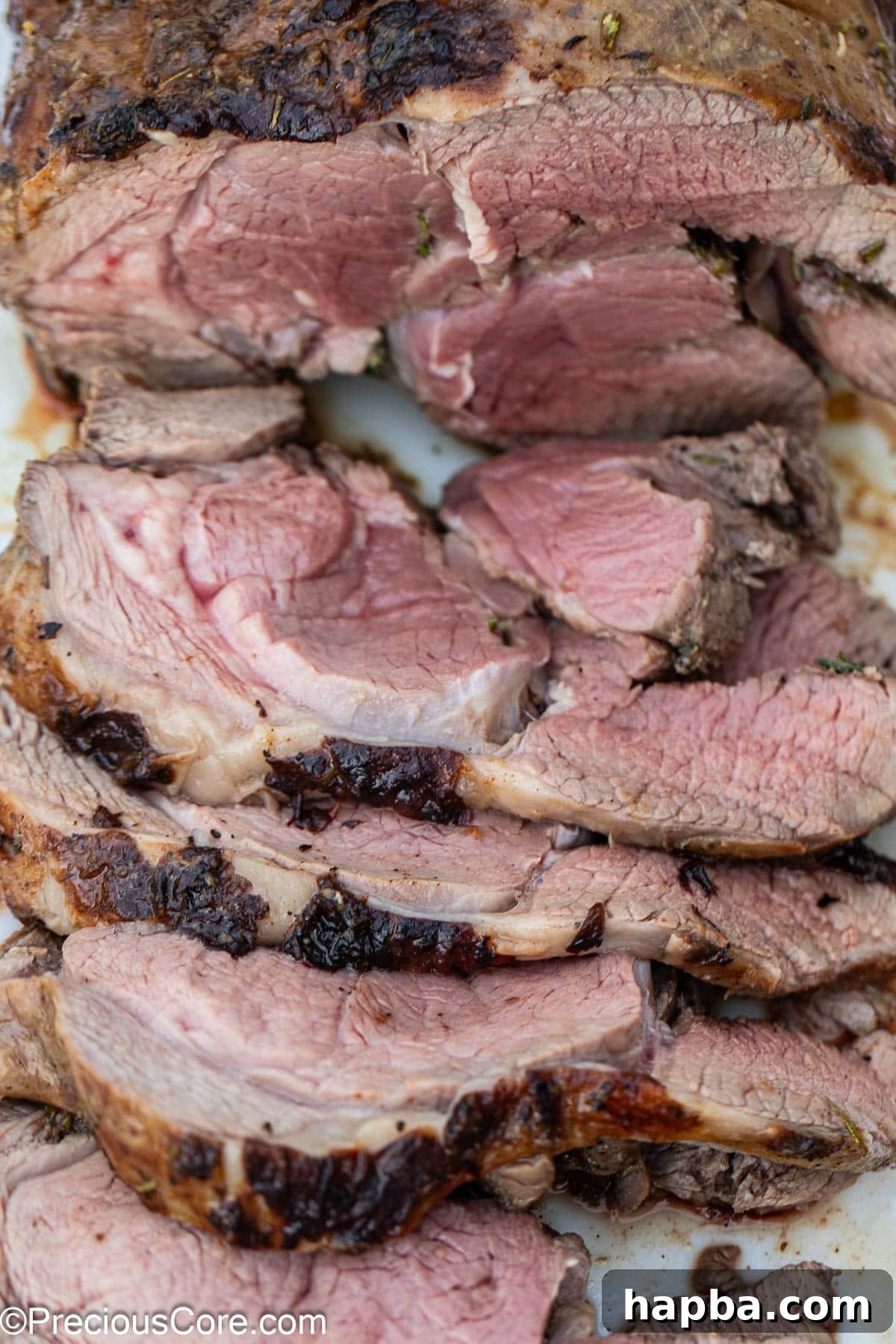
The beauty of roasting lamb lies in customizing its doneness to individual preferences. To ensure you achieve your ideal internal temperature, using an instant-read meat thermometer is absolutely essential. Always insert the thermometer into the thickest part of the meat, avoiding any bones or pockets of fat. For complete accuracy, it’s a good practice to check the temperature in a few different spots.
- Rare: 125°F (51.6°C) – At this stage, the center of the lamb will be a vibrant red, gradually transitioning to a rosy pink hue as it extends towards the outer edges of the meat. This is for those who appreciate a very tender, barely cooked interior.
- Medium-Rare: 130°F (54.4°C) to 135°F (57.2°C) – The most popular choice for lamb. The center will be a rich pink, subtly shifting towards a light brown color as it reaches the exterior. The texture will be incredibly tender and juicy.
- Medium: 135°F (57.2°C) to 140°F (60°C) – Similar to medium-rare, but with a lighter, more uniform pink center. The exterior will be a perfectly browned crust. This doneness offers a balance of tenderness and a more cooked texture.
- Medium-Well: 150°F (65.5°C) to 155°F (68.3°C) – At this point, you will see very little to no pink remaining in the meat, offering a firmer texture while still retaining some moisture.
- Well-Done: 155°F (68.3°C) to 165°F (73.8°C) – With well-done lamb, the meat will be uniformly brown throughout, both inside and out. The texture will be firm.
Important Note on Carryover Cooking:
It is crucial to remember that your leg of lamb will continue to cook for a short period even after you remove it from the oven. This phenomenon is known as “carryover cooking,” and the internal temperature can rise by an additional 5-10 degrees Fahrenheit. Therefore, I highly recommend removing the lamb from the oven when its internal temperature is approximately 5 degrees lower than your desired final temperature. This foresight will help you achieve the absolute perfect level of doneness, preventing your beautiful roast from becoming overcooked.
Expert Tips for the Best Roasted Boneless Leg of Lamb
Achieving a truly magnificent roasted boneless leg of lamb is within reach with these expert insights:
- Invest in a Quality Meat Thermometer: This is arguably the most crucial tool for roasting success. For consistent and perfect results every time, always use an accurate instant-read meat thermometer to check the internal temperature of the lamb. Relying solely on visual cues or estimated cooking times can easily lead to an undercooked or, more commonly, an overcooked and dry roast. Precision is key to a tender, juicy lamb.
- Choose the Right Cookware: The pan you use makes a difference. An oven-safe skillet, ideally a cast iron skillet or a braiser, is highly recommended for this recipe. Its ability to go directly from stovetop to oven means you can sear the lamb beautifully on the stove and then seamlessly transfer it to the oven for roasting. This eliminates the need to transfer the hot meat to different cookware, saving you from extra dirty dishes and maintaining more of those delicious pan drippings.
- Prioritize the Resting Period: Once your lamb reaches its target internal temperature, resist the urge to slice into it immediately. Allowing the leg of lamb to rest for a full 10-15 minutes (tented loosely with foil) before carving is non-negotiable. This critical step allows the muscle fibers to relax and redistribute the precious juices throughout the meat, ensuring maximum tenderness, succulence, and flavor in every single bite.
- Don’t Forget to Butterfly: As described in the instructions, butterflying the boneless leg of lamb increases the surface area for maximum marinade contact and ensures more even cooking. If you’re unsure, ask your butcher to do it for you.
- Make a Simple Pan Sauce: After roasting, don’t let those delicious pan drippings go to waste! Deglaze the pan with a splash of red wine or beef broth, scraping up any browned bits. Simmer briefly until slightly reduced, and you’ll have an incredible, flavorful jus to serve with your lamb.
- Carve Against the Grain: For the most tender slices, always carve the lamb against the grain. This shortens the muscle fibers, making each bite more tender and easier to chew.
Frequently Asked Questions About Roasting Lamb
Not always. A boneless leg of lamb simply means the bone has been removed. However, this particular recipe takes it a step further by butterflying the boneless leg. Butterflying involves making a lengthwise cut to open the meat flat. This method is advantageous because it exposes more surface area, allowing the marinade to penetrate deeply and infuse the meat with maximum flavor, and also helps the lamb cook more evenly. You then roll it up and tie it for roasting. If you’re not comfortable butterflying the lamb yourself, your butcher will usually be happy to do it for you.
While not strictly mandatory, I wholeheartedly recommend searing your leg of lamb before roasting. This technique offers several significant benefits that greatly enhance the final dish. Searing creates a beautiful, deep brown crust on the exterior of the meat, which is packed with rich, caramelized flavor. This initial burst of high heat also helps to “seal” the exterior, which, along with the resting process, contributes to keeping the precious internal juices locked inside, resulting in a more succulent and moist roast. It’s a simple step that drastically upgrades both the taste and presentation.
Leg of lamb and lamb chops, while both coming from the same animal, do have subtle differences in taste and texture due to their origin on the lamb. The leg of lamb, typically sourced from the rear legs, is generally leaner because these muscles are frequently used. Consequently, it often has a milder lamb flavor, which is a great choice for those who prefer less of a strong “gamey” taste. When properly roasted, a leg of lamb becomes incredibly tender and juicy, with its flavor deepening through the cooking and marinating process. Lamb chops, on the other hand, often come with a layer of fat, which contributes to a more pronounced, richer, and sometimes stronger “gamey” lamb flavor. Both are delicious, but the leg offers a more delicate and versatile flavor profile.
Absolutely! This recipe is excellent for meal planning and reducing stress on the day of your event. You can prepare the marinade and apply it to the butterflied lamb up to 24 hours in advance. Keep the lamb tightly covered in plastic wrap in the refrigerator. On cooking day, simply remove it from the fridge an hour before, sear, and roast. This allows the flavors to truly develop.
Delectable Serving Suggestions
Elevate your Roasted Boneless Leg of Lamb with these perfectly paired side dishes. Each complements the rich flavors of the lamb beautifully:
Rosemary Garlic Mashed Potatoes
Perfectly Fried Carrots
Garlic Butter Green Beans
Fragrant Garlic Herb Rice
More Irresistible Recipes to Try
If you loved this Roasted Boneless Leg of Lamb recipe, you’ll surely enjoy these other fantastic main courses:
Pan Seared Ribeye Steaks
Pan Seared Lamb Chops
Pan Seared Boneless Pork Chops
Baked Dry Rub Ribs
If you make this recipe, please consider leaving a star rating below. Your feedback helps others discover and enjoy this delicious recipe, and I truly love hearing from you! Thank you!
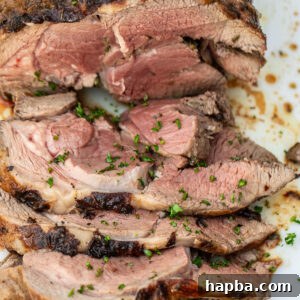
Roasted Boneless Leg of Lamb
With a simple yet powerful combination of garlic, fresh lemon juice, and aromatic herbs, this Roasted Boneless Leg of Lamb is unbelievably tasty and tender. Serve it alongside creamy mashed potatoes or your favorite celebratory side dish for an elegant dinner that’s perfect for any gathering.
Rate This Recipe
Print Recipe
Ingredients
- 4-5 pounds boneless leg of lamb
- 2 Tablespoons lemon juice, freshly squeezed
- 2 Tablespoons olive oil
- 1 Tablespoon honey mustard or Dijon mustard
- 6 garlic cloves, minced
- 1¼ teaspoons salt
- 1 teaspoon ground black pepper
- 1 Tablespoon fresh minced rosemary
- 1 Tablespoon fresh minced thyme
- 2 teaspoons beef bouillon powder
- 1 Tablespoon olive oil, for searing
Instructions
- Make the Marinade: In a small mixing bowl, combine the lemon juice, 2 tablespoons olive oil, honey mustard or Dijon mustard, salt, black pepper, minced garlic, rosemary, thyme, and beef bouillon powder. Mix thoroughly until all ingredients are well combined.
- Prep and Season Lamb: Carefully cut out any netting from the lamb using kitchen scissors. Butterfly the lamb by making a lengthwise cut to open it flat, with its interior facing you. Brush two-thirds of the prepared marinade evenly over the entire interior surface of the lamb. Starting from the shorter side, roll the lamb tightly into a log. Secure it firmly with kitchen twine, leaving a 1-2 inch gap between each tie. Brush the remaining marinade over the exterior of the tied lamb, setting aside just 1 tablespoon of marinade for basting later.
- Let It Marinate: Place the seasoned and tied lamb into a large mixing bowl. Cover the bowl tightly with plastic wrap and refrigerate. Allow the lamb to marinate overnight (8-12 hours) or for at least 2 hours for best flavor.
- Bring To Room Temperature: One hour before you plan to cook, remove the lamb from the refrigerator and let it sit at room temperature. Meanwhile, preheat your oven to 350°F (180°C).
- Sear The Lamb: Place a 12-inch oven-safe skillet (preferably cast iron) over medium-high heat until it is smoking hot. Add the 1 tablespoon of olive oil for searing. Carefully place the lamb into the hot skillet and sear for 4 minutes until it develops a deep brown color. Flip the lamb and sear for another 4 minutes. Using tongs, lift and support the lamb to sear its shorter sides for 3-4 minutes each, ensuring an even crust all around.
- Roast: Loosely cover the skillet (or transfer to a roasting pan) with aluminum foil. Transfer it to the preheated oven and roast for 30 minutes. After the initial 20 minutes, remove the foil and continue roasting uncovered for the final 10 minutes, or until it reaches your desired internal temperature (refer to the Leg of Lamb Cooking Guide below).
- Rest: Once roasted, transfer the lamb to a cutting board, cover it loosely with foil, and let it rest for 10-15 minutes. This allows the juices to redistribute. Remove the twine, slice the lamb against the grain into desired thicknesses, and serve warm.
Notes
Boneless Leg Of Lamb: You have the option to remove the bone from a leg of lamb yourself, or you can purchase it with the bone already removed. For this specific recipe, I used a pre-boned leg of lamb. If available, you could also buy a butterflied leg of lamb to save a step.
Cast Iron Skillet: If you don’t own a cast iron skillet, consider using a cast iron braiser if you have one. The key is to use a cooking pan that is safe to transition easily from the stovetop directly into the oven.
Leg of Lamb Cooking Guide:
- Rare: 125°F (51.6°C) – Red center, pinkish towards the exterior.
- Medium-Rare: 130°F (54.4°C) to 135°F (57.2°C) – Pink center, slightly shifting to brown towards the exterior.
- Medium: 135°F (57.2°C) to 140°F (60°C) – Lighter pink center, brown exterior.
- Medium-Well: 150°F (65.5°C) to 155°F (68.3°C) – No pink visible.
- Well-Done: 155°F (68.3°C) to 165°F (73.8°C) – Uniformly brown inside and out.
Remember that the lamb’s temperature will rise slightly during resting (carryover cooking). Remove it from the oven about 5 degrees before your desired final temperature.
Nutrition
Carbohydrates: 3 g |
Protein: 40 g |
Fat: 16 g |
Saturated Fat: 4 g |
Polyunsaturated Fat: 2 g |
Monounsaturated Fat: 9 g |
Cholesterol: 122 mg |
Sodium: 789 mg |
Potassium: 575 mg |
Fiber: 0.2 g |
Sugar: 1 g |
Vitamin A: 2 IU |
Vitamin C: 3 mg |
Calcium: 19 mg |
Iron: 4 mg
Additional Info
Mention @preciouscore or tag #PreciousCore!