
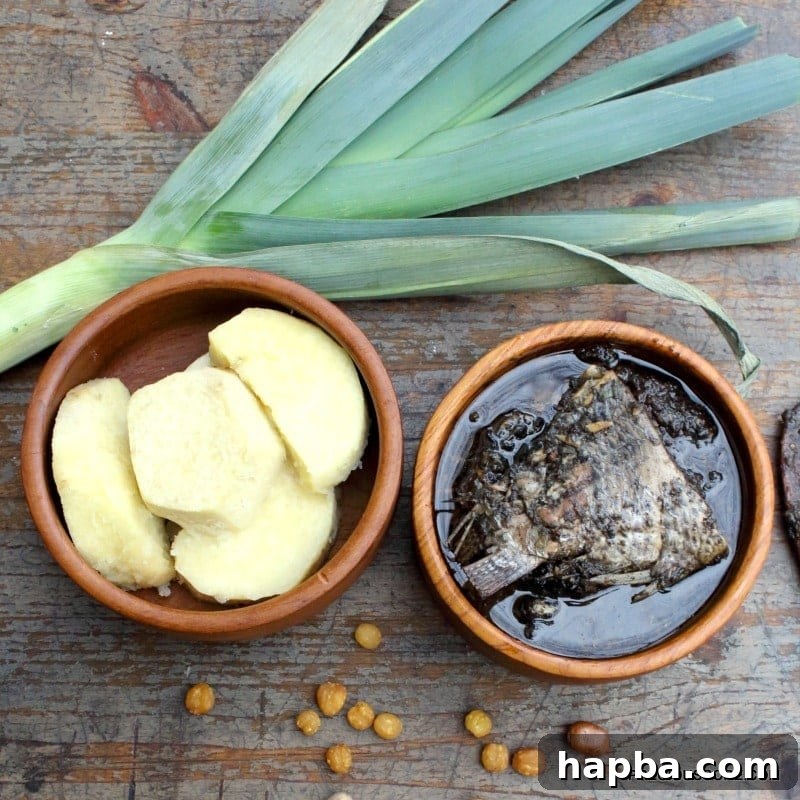
Mbongo Tchobi: A Journey into Cameroon’s Iconic Black Stew
Embark on a culinary adventure to the heart of Cameroon with Mbongo Tchobi, an exquisite and intensely flavorful black stew. This traditional delicacy, deeply rooted in the culture of the Bassa people, has transcended its origins to become a beloved national dish, celebrated across the country for its unique aroma and rich taste. At the core of its distinctive character lies the enigmatic mbongo spice, a key ingredient that not only lends the stew its name but also its signature dark hue and earthy notes. This dish offers a truly authentic taste of West African cuisine, promising a memorable experience for any food enthusiast.
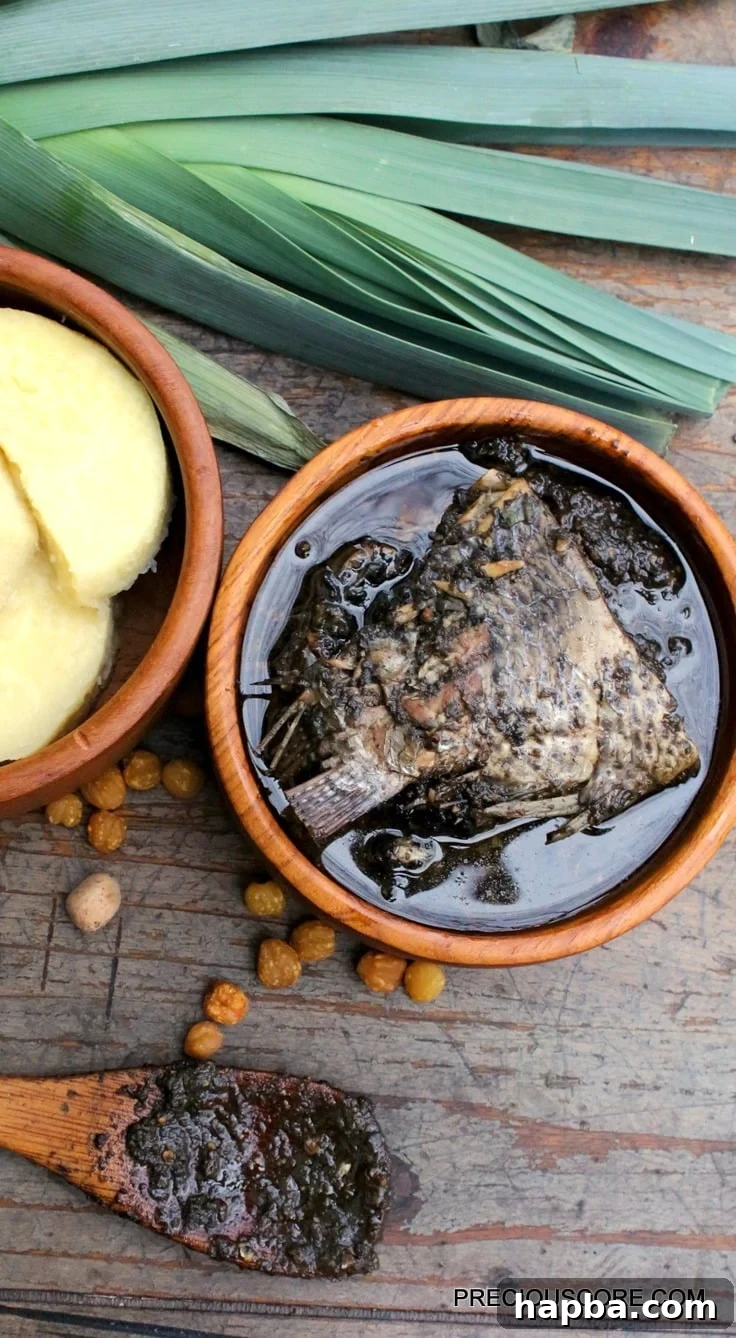
The Essence of Mbongo Tchobi: Unveiling the Black Spice
What gives Mbongo Tchobi its captivating dark appearance and unparalleled depth of flavor? The secret lies in the mbongo spice itself. This intensely aromatic spice is not black by nature; rather, it undergoes a meticulous traditional preparation method involving careful charring over an open flame before being ground into a fine powder. This burning process is crucial, as it develops the spice’s complex smoky notes and, of course, its characteristic black color. The resulting ground spice forms the very foundation of this stew, creating a flavor profile that is simultaneously earthy, nutty, and subtly smoky, a true reflection of Cameroonian culinary artistry.
For those living in Cameroon, the already ground black mbongo spice is readily available in local markets and shops, often colloquially referred to as “mbongo spice” or “epice mbongo” in French-speaking regions. Outside of Cameroon, finding this specialty ingredient might require a visit to select African grocery stores or online ethnic food retailers. Its distinctness is what truly sets Mbongo Tchobi apart from other stews.
Beyond Mbongo: A Symphony of Flavors and Aromatics
While the mbongo spice is the star, a host of other fresh and aromatic ingredients contribute to the stew’s harmonious flavor. Tomatoes and onions form the classic base, providing a sweet and tangy counterpoint to the spice’s earthiness. Garlic and ginger infuse the stew with pungent warmth, while other indigenous ingredients like njangsa seeds add a unique nutty flavor and subtle thickness, reminiscent of their use in other West African dishes like peppersoup. Celery and leeks bring a refreshing herbaceous quality, rounding out the complex taste. The optional addition of African nutmeg (known as Ehuru or Pebe in some regions) further enhances the stew with its warm, slightly bitter, and aromatic notes, showcasing the intricate layering of spices in Cameroonian cooking.
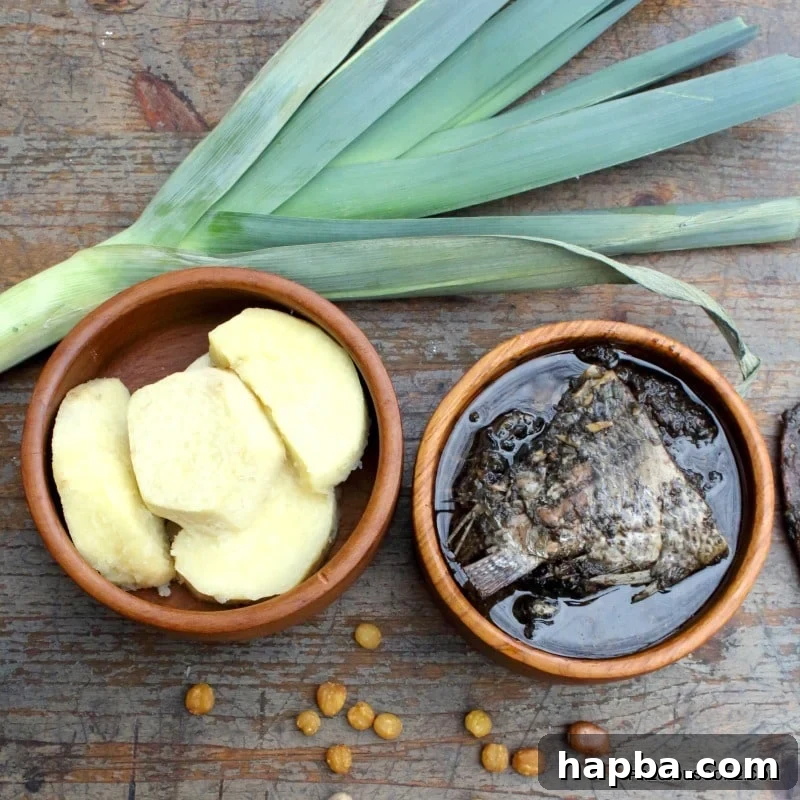
A Staple of Bassa Cuisine and Beyond
Affectionately known simply as “Mbongo” by many, this stew is more than just a meal; it’s a culinary cornerstone for the Bassa people, representing comfort, tradition, and celebration. Its rich, satisfying nature and versatile pairing options have propelled its popularity far beyond the Bassa communities, making it a beloved dish across various ethnic groups in Cameroon and among the Cameroonian diaspora worldwide. Whether served at family gatherings, festive occasions, or as a simple weeknight dinner, Mbongo Tchobi consistently delivers a taste of home and a deep connection to Cameroonian heritage.
Perfect Pairings: What to Serve with Your Mbongo Tchobi
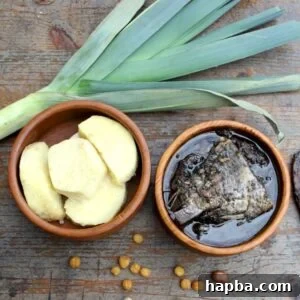
The beauty of Mbongo Tchobi lies in its versatility, particularly when it comes to accompaniments. Traditionally, this hearty stew is enjoyed with starchy sides that are perfect for soaking up its rich, savory sauce. Boiled plantains, whether ripe and sweet or firm and savory, are a classic choice, offering a delightful contrast in texture and taste. Similarly, boiled yams are a popular accompaniment, providing a comforting, crumbly starch that pairs wonderfully with the stew’s robust flavors. Other excellent options include fufu (a staple made from cassava, plantain, or yam flour), boiled rice, or even simple crusty bread. The choice of side often depends on personal preference and regional variations, but any option that allows you to savor every last drop of this delicious black stew is a winner.
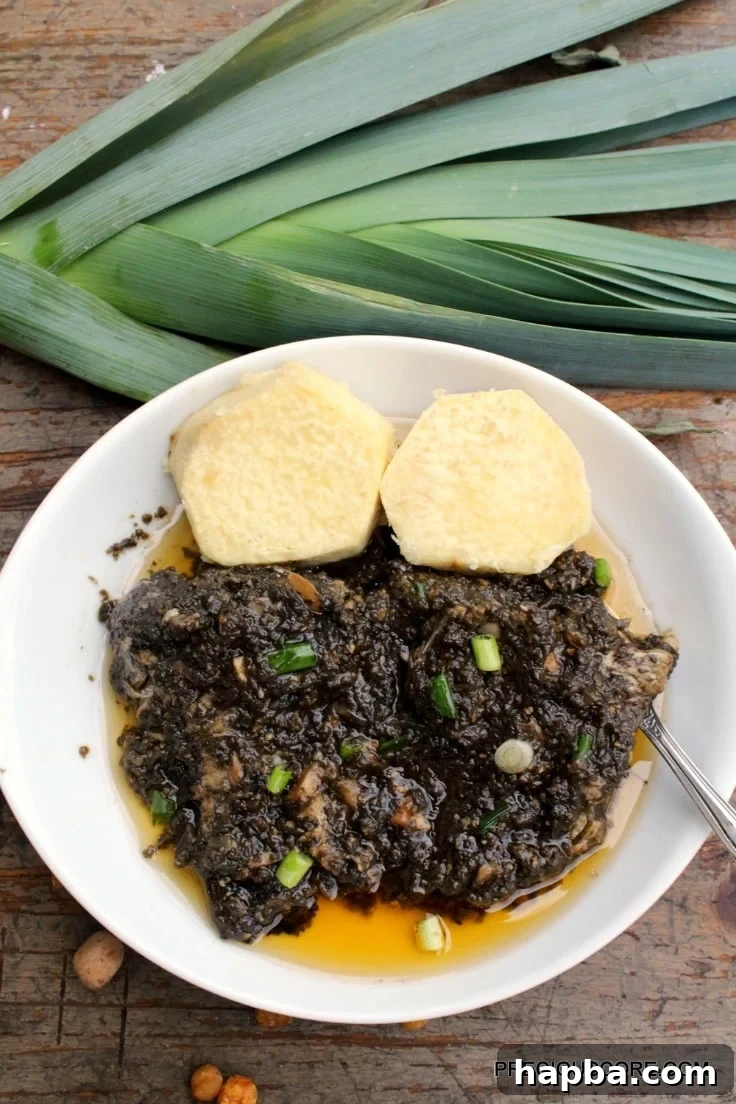
To truly master the art of making Mbongo Tchobi, visual guidance can be incredibly helpful. You can watch a detailed preparation video below to see each step come to life, from preparing the fish to blending the spices and simmering the stew to perfection. Enjoy the process of whipping up this authentic Cameroonian delight!
Mbongo Tchobi – Cameroonian Black Stew
15
20
35
6
servings
Rate
Print Recipe
Ingredients
- 2 large fish of choice (I used tilapia) about 2 pounds
- 4 teaspoons ground mbongo spice
- 30 seeds njangsa
- 2 seeds African nutmeg (Ehuru/Pebe) peeled
- 3 small seasoning cubes (Maggi)
- 1 1/2 teaspoon salt
- 2 large tomatoes (or four small ones) roughly chopped
- 1 large onion
- 1/2 celery stalk – chopped
- 1/2 stem of leeks – chopped
- 7 garlic cloves- peeled
- 1/2 inch ginger root – peeled
- 1/2- 1 cup vegetable oil
- 1/4 teaspoon white pepper (optional)
- 1 habanero/hot pepper (optional)
- 2 stems green onions (optional) for garnishing
Instructions
-
Clean the fish thoroughly and cut it into desired steaks. Rinse them well, sprinkle a pinch of salt over, and set aside to marinate slightly.
-
In a blender, combine the roughly chopped tomatoes, half of the large onion, peeled garlic cloves, ginger root, celery, leeks, African nutmeg, njangsa seeds, and the ground mbongo spice. Add half a cup of water to help with blending. Process until a smooth, aromatic paste is formed.
-
Pour the freshly blended spice and vegetable mixture over the seasoned fish. Gently coat the fish, ensuring each piece is well covered. Allow it to rest and marinate for at least 15-30 minutes, or longer if time permits, for deeper flavor infusion.
-
In a large pot or Dutch oven, heat the vegetable oil over medium heat. Chop the remaining half of the onion and add it to the hot oil. Sauté until the onions are soft and fragrant, releasing their sweet aroma.
-
Carefully add the marinated fish and the entire spice mixture into the sautéed onions. Distribute the Maggi seasoning cubes evenly over the stew, along with the additional salt. If using, incorporate the white pepper and the whole or blended habanero/hot pepper at this stage.
-
Cover the pot and allow the stew to simmer gently for approximately 15 minutes, allowing the flavors to meld and the fish to cook through. After this time, open the pot and taste for seasoning, adjusting salt or Maggi as needed. If the stew appears too thick for your preference, you may add a small amount of water to achieve a lighter consistency. Continue to cook for another five minutes to ensure all flavors are fully developed.
-
Serve your delicious Mbongo Tchobi warm with your chosen starchy accompaniment, such as perfectly boiled yams or ripe plantains. Garnish with chopped green onions if desired for a fresh touch.
Notes
For those who love extra heat, you have two options for incorporating the habanero or hot pepper: either blend it directly with the other ingredients for a uniform spice level throughout the stew, or add it whole to the pot. Adding it whole allows for a more controlled release of heat and can be easily removed before serving if preferred.
Nutrition
|
Carbohydrates: 7g
|
Protein: 13g
|
Fat: 56g
|
Saturated Fat: 9g
|
Polyunsaturated Fat: 32g
|
Monounsaturated Fat: 13g
|
Trans Fat: 0.4g
|
Cholesterol: 29mg
|
Sodium: 1095mg
|
Potassium: 379mg
|
Fiber: 2g
|
Sugar: 3g
|
Vitamin A: 1180IU
|
Vitamin C: 12mg
|
Calcium: 35mg
|
Iron: 1mg
Additional Info
Main Course
Cameroonian
572
Tried this recipe?
Mention @preciouscore or tag #PreciousCore!