
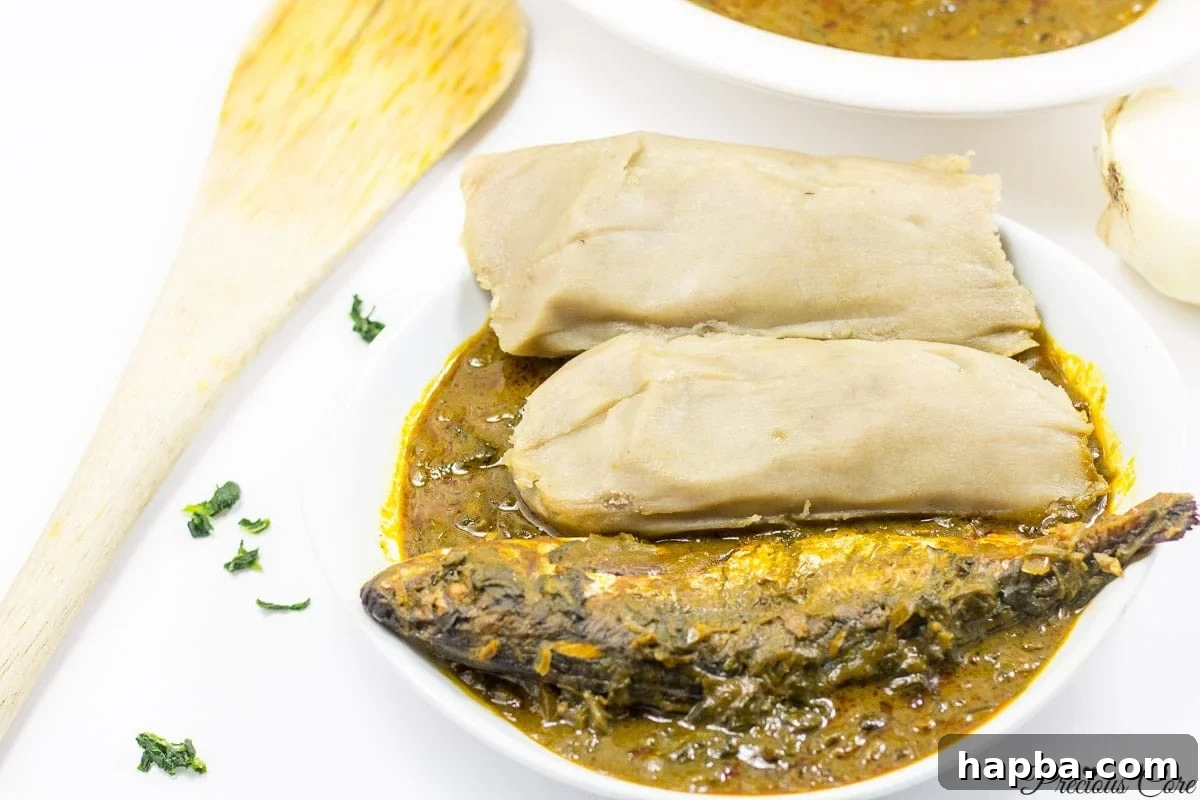
The rhythmic echoes of a beloved Bakweri song often fill my kitchen as I prepare the sumptuous Kwacoco and Banga Soup. Its lyrics, a playful yet profound invitation, remind us of the culinary journey ahead:
If you want to marry Bakweri woman, prepare! You have to prepare! Prepare to eat Timanambusa. Prepare!
For those familiar with the vibrant culinary landscape of Southern Cameroon, this song resonates deeply. Kwacoco and Banga Soup is not just a meal; it’s a cultural cornerstone, proudly known colloquially as “timanambusa.” Bakweri purists, however, prefer the more traditional pronunciation: “Timba na mbusa.” Utter it quickly – tim-ba-na-mbu-sa – and you’ll capture its essence, a phrase that translates roughly to “eat and come back.” And truly, once you taste this dish, you’ll understand why. Its rich flavors and satisfying texture beckon you for more, a testament to its irresistible appeal.
To witness the magic of its creation, you can watch the preparation process in this video:
My connection to this meal runs deep, influenced by my time spent in Cameroon’s South West region, the very cradle of my mother’s heritage. This immersion introduced me to a wealth of local delicacies, from the savory Eru and the hearty Ekwang to the distinct Kwacoco Bible. While these dishes form a significant part of my culinary upbringing, not everyone shares the same exposure to such regional diversity. I recently prepared a batch of Kwacoco and Banga Soup for a friend who had just welcomed a new baby. Knowing she hails from Bamenda, like myself, where Achu is the traditional staple, I preemptively inquired, “Do you eat Kwacoco and Banga Soup?”
Her response was an enthusiastic “Yes!” followed by a delightful anecdote. She recounted her first encounter with the dish at her aunt’s house. Presented with the Kwacoco artfully drizzled with Banga Soup, she mistook it for plantain porridge and politely declined. However, her aunt, sensing the potential for a new convert, gently persuaded her to try it. With one hesitant spoonful, her skepticism vanished, replaced by an instant fondness. She was, in her words, “hooked.” This story beautifully illustrates the power of Kwacoco and Banga Soup to win over even the most unfamiliar palates, turning initial hesitation into an enduring appreciation for its unique charm.
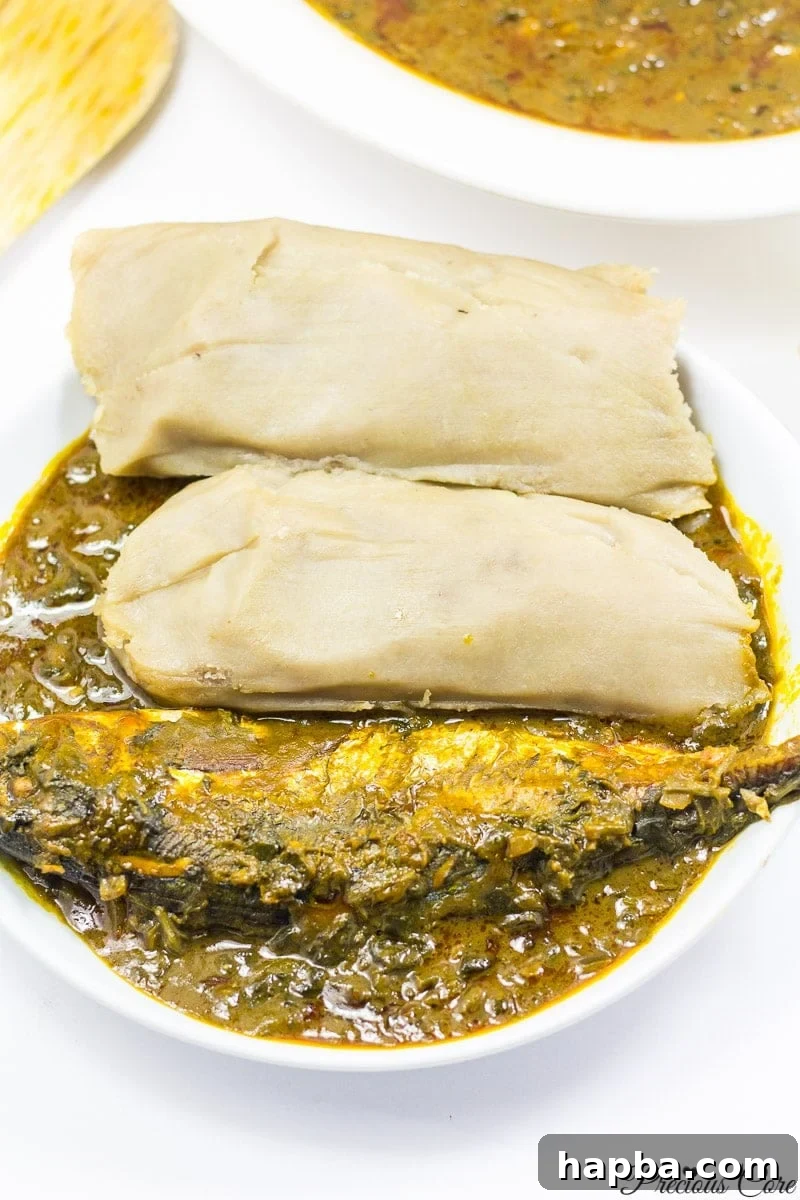
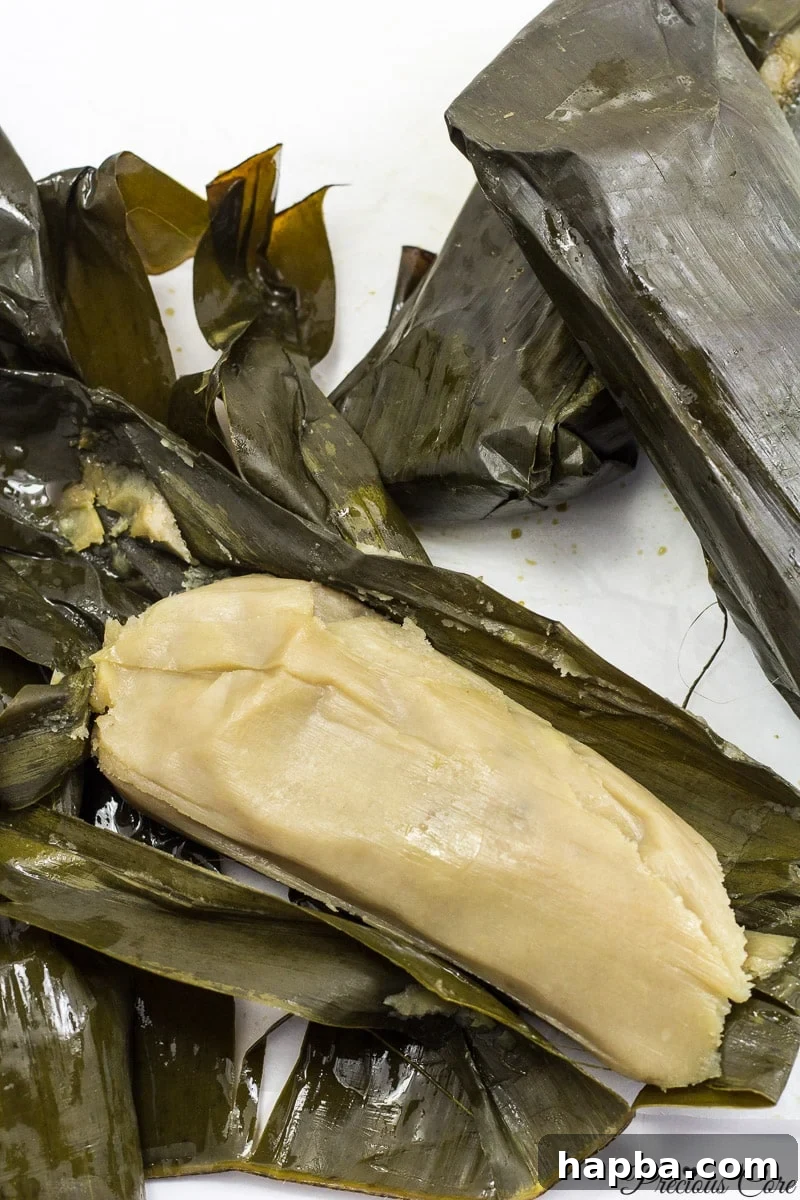
Kwacoco and Banga Soup epitomizes the very essence of “finger-licking good.” Indeed, for the true, authentic experience, cutlery is not merely discouraged but forbidden. This meal is designed to be savored directly with your hands, allowing you to connect intimately with its textures and flavors. The journey begins with the Kwacoco, a delectable cocoyam preparation that stands distinct from its cousin, Kwacoco Bible. To create Kwacoco, cocoyams (often referred to as taro) are meticulously peeled, washed, and then grated or ground into a smooth paste using a food processor. This paste is then delicately seasoned with salt, wrapped in individual banana leaves, and expertly steamed to perfection. The banana leaves impart a subtle, earthy aroma and moisture that aluminum foil, though a viable substitute, simply cannot replicate. The steaming process transforms the humble cocoyam paste into tender, slightly sticky logs, a true staple of Cameroonian cuisine.
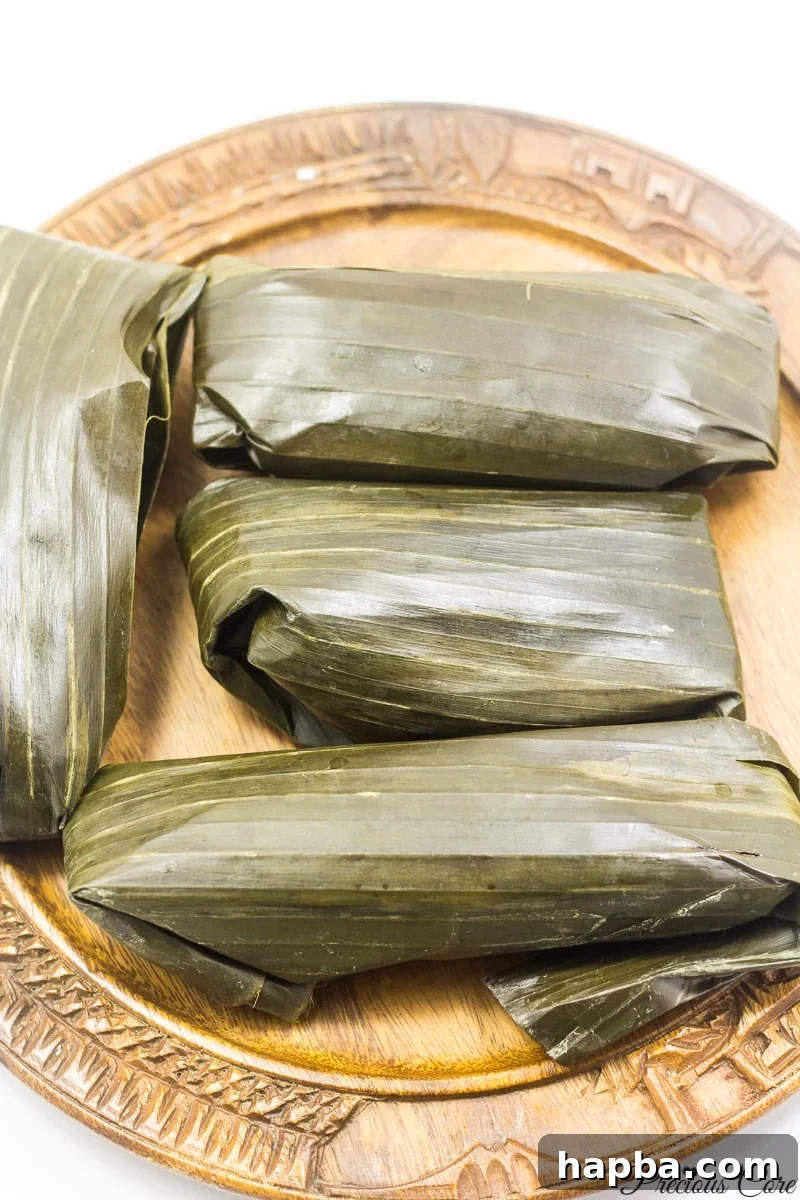
These expertly wrapped and steamed cocoyam logs, known in French as “macabo wrappé,” offer a delightful texture and mild flavor. While traditionally paired with Banga Soup, they also create another exquisite Cameroonian combination when served alongside a rich groundnut soup, offering a different yet equally satisfying culinary experience. The versatility of Kwacoco truly highlights its importance in the region’s diet, serving as a comforting, starchy base for a variety of flavorful soups and stews.
The star companion to Kwacoco is the illustrious Banga Soup, a robust and flavorful concoction crafted from fresh palm nuts. This vibrant soup is a culinary highlight across various West African nations, holding particular prominence in Nigeria and Cameroon where it is universally known as Banga Soup. Its preparation is an art form that begins with boiling the palm nuts until they are tender. Traditionally, these softened nuts are then carefully pounded in a mortar to extract their rich, oily pulp. This pulp is subsequently sieved to separate it from the fibrous husks, resulting in a smooth, concentrated base. To this earthy foundation, a medley of ingredients is added, including aromatic crayfish, succulent smoked fish, fiery hot pepper, and a blend of traditional seasonings. The result is a creamy, deeply savory, and irresistibly delightful soup that perfectly complements the mildness of the Kwacoco, creating a harmonious and unforgettable meal.
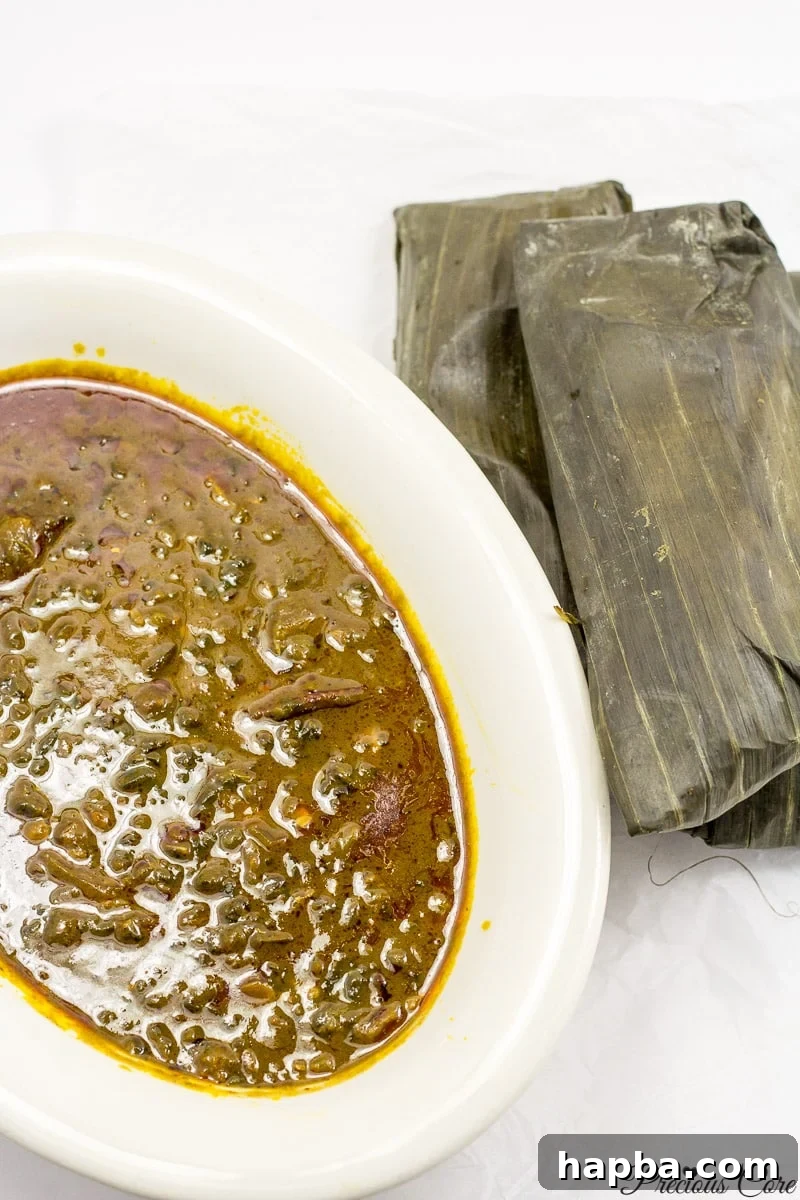
While the traditional method of preparing Banga Soup with fresh palm nuts offers an unparalleled depth of flavor, sourcing these nuts can be a challenge, especially for those living outside West Africa. Here in the United States, fresh palm nuts are a rare commodity, a predicament I often lament. However, a convenient and equally delicious alternative exists: palm nut concentrate, readily available at most African specialty stores. This concentrate offers a fantastic shortcut, allowing you to bypass the laborious process of boiling and pounding fresh palm nuts without compromising on the authentic taste of Banga Soup. It’s a true culinary win, making this exquisite Cameroonian delicacy accessible to a wider audience and simplifying the preparation significantly, proving that delicious tradition can indeed meet modern convenience.
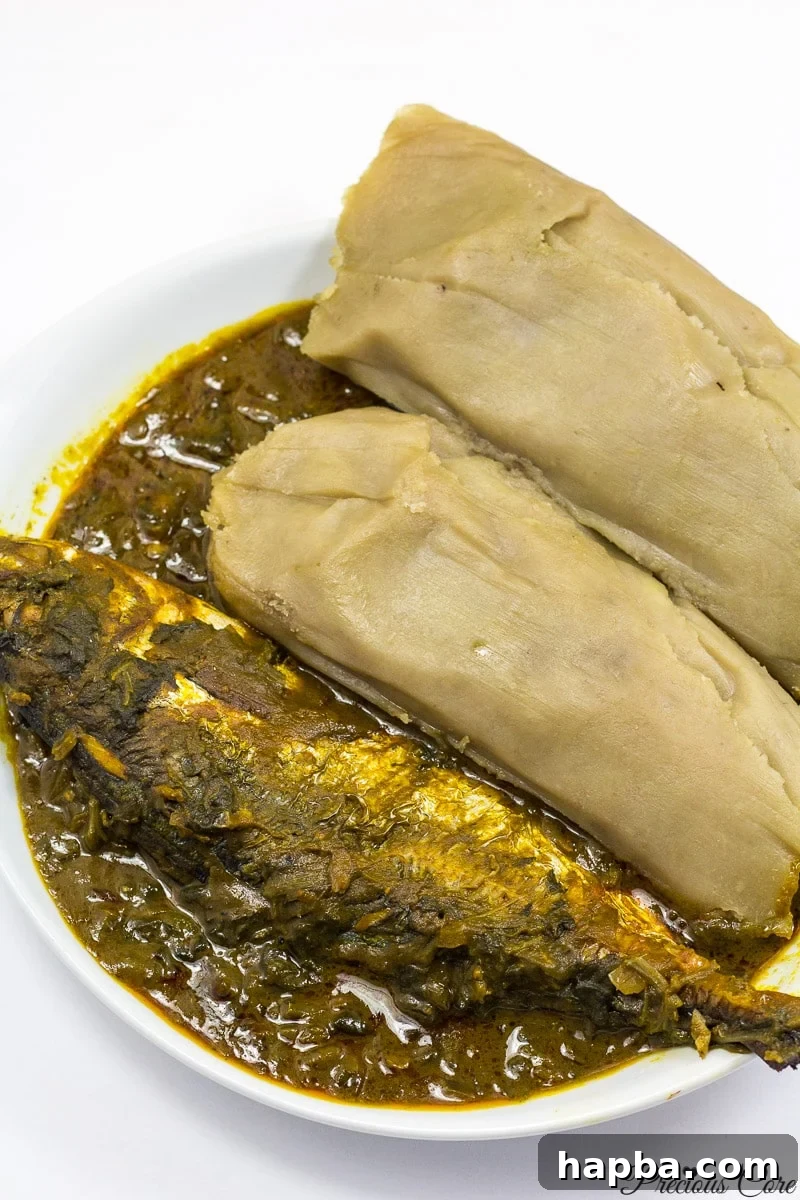
As emphasized before, the magic of Kwacoco and Banga Soup lies in its tactile experience. This is a meal meant to be relished with your hands, allowing you to fully immerse yourself in its delightful textures and robust flavors. Forget the forks and spoons; embrace the tradition and prepare for a truly finger-licking, satisfying culinary adventure!
Authentic Kwacoco and Banga Soup Recipe
This traditional Cameroonian meal features Kwacoco, made from grated and steamed cocoyams (taro) wrapped in banana leaves, served with Banga Soup, a rich and earthy soup prepared from fresh palm nuts. It’s a deeply flavorful and satisfying dish, perfect for sharing.
Prep Time: 1 hour
Cook Time: 1 hour
Total Time: 2 hours
Servings: 6 people
Ingredients
For the Kwacoco:
- 7 large cocoyams (taro)
- 10-12 banana leaves – cut into rectangles and warmed over fire or in hot water for wrapping (Alternatively, use aluminum foil)
- Salt to taste
For the Banga Soup:
- 1 can palm nut pulp concentrate (28 oz/800 g) or 1 kg fresh palm nuts
- 3 small seasoning cubes (Maggi or preferred brand)
- 1/2 cup crayfish (coarsely ground)
- 1 habanero (hot) pepper (adjust to your spice preference)
- 2 pounds smoked fish of choice (about 1 kg), cleaned and broken into large pieces
- 1 teaspoon salt (or to taste)
- 1 medium onion – chopped
- 1 handful chopped spinach or any leafy green (e.g., bitter leaf, watercress)
- Approximately 6-8 cups of water, divided
Instructions
For the Kwacoco:
- Peel the cocoyams, then wash them thoroughly under running water to remove any soil or impurities.
- Grate the cocoyams using a manual grater or process them in a food processor until a smooth, thick paste is formed. Season the paste lightly with salt.
- Line a large pot with worn-out banana leaves or aluminum foil to create a steaming bed.
- Take about a cup of the cocoyam paste and wrap it tightly in each prepared banana leaf (or aluminum foil) to form a cylindrical log.
- Carefully arrange all the cocoyam logs into the lined pot. Add about two cups of hot water to the pot, ensuring it doesn’t cover the logs entirely.
- Steam the Kwacoco for approximately 1 to 2 hours. Throughout the steaming process, check the water level every 10-15 minutes and add more hot water as needed to prevent the pot from drying out and ensure even cooking. The Kwacoco is fully cooked when it becomes firm and sticky.
For the Banga Soup:
- If using fresh palm nuts: Boil the palm nuts in a large pot until they are very tender. Drain the water, then place the cooked palm nuts in a mortar and pound them vigorously to extract the rich, fibrous pulp. Add 4 cups of hot water to the pounded pulp and knead with your hands. Sieve the mixture to separate the liquid pulp from the husks and fibers. Discard the husks and transfer the extracted palm nut liquid into a clean pot.
- If using canned palm nut concentrate: Simply pour the entire can of concentrate into a pot and add 2 cups of water. Stir well to combine.
- Add the chopped onion to the palm nut pulp (or concentrate mixture) in the pot. Bring the mixture to a boil and let it simmer for about ten minutes, allowing the flavors to meld.
- Next, add the salt, seasoning cubes (Maggi), habanero pepper, coarsely ground crayfish, and the smoked fish pieces to the pot. Add another 2 cups of water.
- Gently stir the soup (avoiding vigorous stirring to keep the fish intact) and let it simmer for another 10-15 minutes. At this stage, assess the consistency of your soup. If it appears too thick for your preference, gradually add more hot water until the desired consistency is achieved. Taste the soup and adjust the seasoning as necessary, ensuring a perfect balance of flavors.
- Finally, add the chopped spinach or other leafy greens. Allow the soup to simmer for just 2 minutes more, until the greens are tender-crisp.
- Your Kwacoco and Banga Soup is now ready to be served!
- Enjoy this incredible meal with your hands, as tradition dictates. It truly is finger-licking good!
Chef’s Notes
- For the Kwacoco, it is crucial to use the longer variety of cocoyams. These cocoyams have a better starch content and hold together well when grated and steamed. The smaller, rounder cocoyams tend to become too soft and may not yield the desired texture.
- When preparing the Banga Soup, once you’ve added the smoked fish, try to avoid excessive stirring. This helps to keep the fish chunks intact, which is highly preferred for Banga Soup, as large, succulent pieces of fish enhance the eating experience.
Nutritional Information (per serving)
- Calories: 341 kcal
- Carbohydrates: 28g
- Protein: 38g
- Fat: 8g
- Saturated Fat: 2g
- Polyunsaturated Fat: 2g
- Monounsaturated Fat: 2g
- Cholesterol: 188mg
- Sodium: 1012mg
- Potassium: 1344mg
- Fiber: 4g
- Sugar: 2g
- Vitamin A: 737IU
- Vitamin C: 9mg
- Calcium: 98mg
- Iron: 1mg
Additional Information
- Course: Main Course
- Cuisine: Cameroonian
- Calories: 341
Pin this delicious recipe for later:
Have you tried making this irresistible Cameroonian delicacy? I would absolutely love to see your culinary creations! Don’t forget to share a photo on Instagram and tag me @preciouscore, or use the hashtag #PreciousCore. You can also share your pictures directly on our Facebook page. Your delicious endeavors bring so much joy, and I can’t wait to see them!