
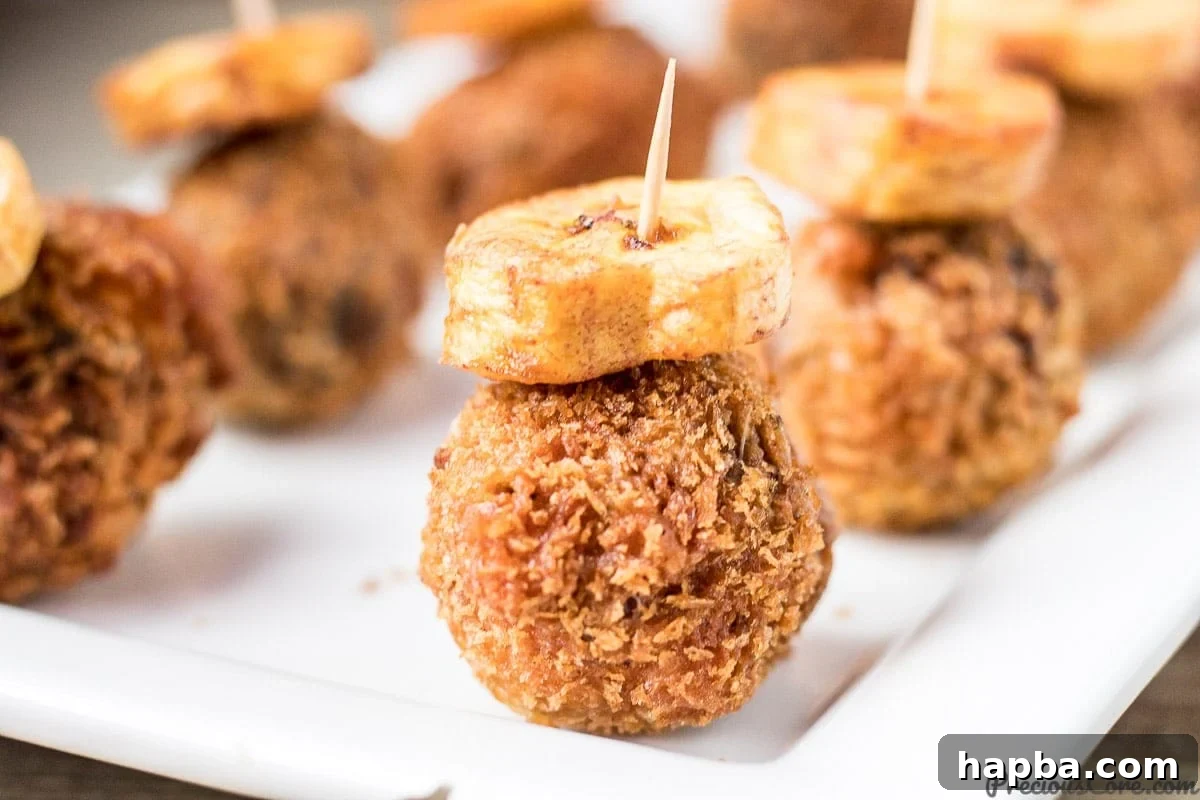
Get ready to be amazed by these incredibly addictive fish balls! With a satisfyingly crunchy exterior and a wonderfully moist, super tasty interior, these African-style fish balls are destined to become your new go-to appetizer. Whether you’re enjoying a quiet evening at home, hosting a lively gathering with guests, or packing a delightful picnic basket, these flavorful bites are simply perfect for any occasion.
Their irresistible charm is undeniable. I once served these to a discerning tasting committee, and the head couldn’t stop raving about them, declaring, “Sweet, that fish thing is so good!” Even my children, usually picky eaters, couldn’t get enough, continuously reaching for more, with my toddler cleverly sneaking extra portions when he thought I wasn’t looking. That’s the magic of these delicious bites!
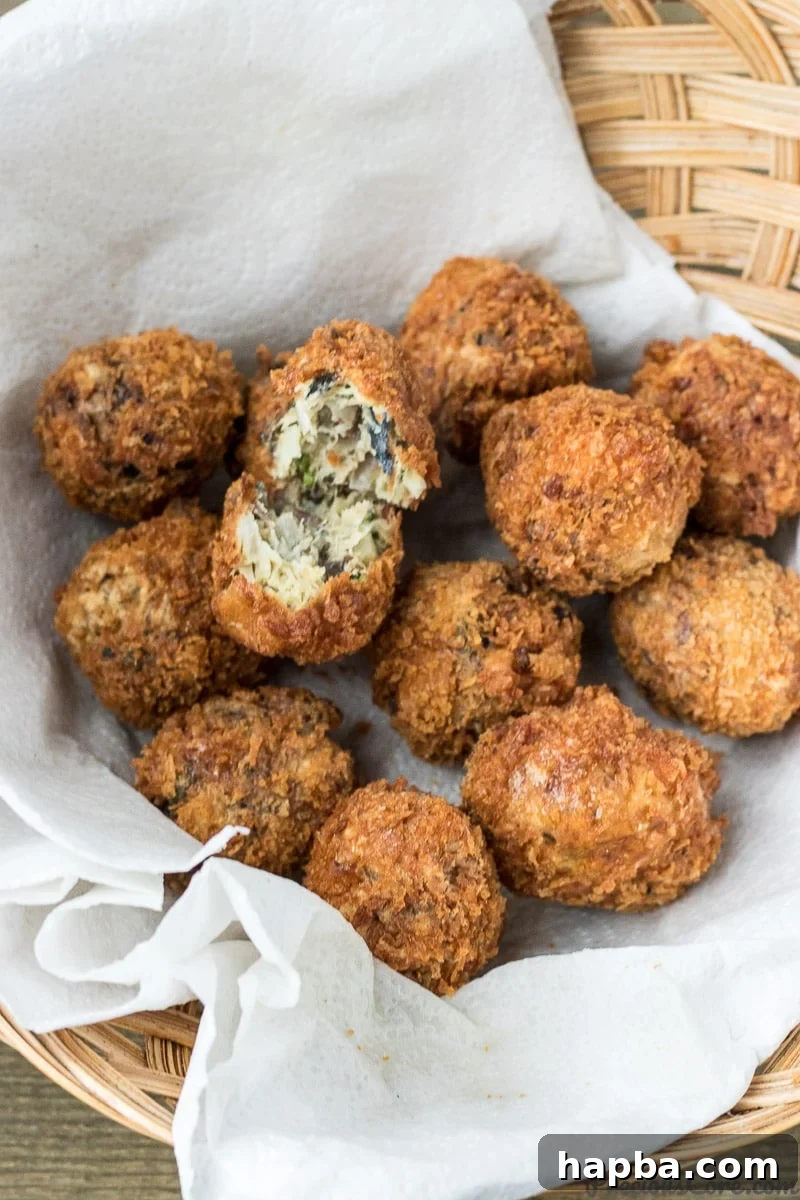
Exploring the World of Fish Balls: A West African Culinary Gem
The culinary landscape boasts a diverse array of fish balls, each region offering its unique interpretation. From the delicate textures of Chinese Fish Balls, often served in a clear broth, to the robust flavors of Italian Fish Balls, typically made with salted cod and fried, the variations are endless. Just like meatballs, which are prepared in countless ways across the globe, fish balls showcase the rich tapestry of international cuisine.
This particular recipe focuses on an authentic African approach to fish balls, specifically highlighting the vibrant and rich culinary traditions of West Africa. Here, fresh fish is transformed into a savory, spice-infused delight, offering a distinct flavor profile that sets it apart from its global counterparts. If you’ve never ventured into the world of fish balls before, or if you’re looking to expand your palate with unique African flavors, this recipe is a must-try. Prepare to be utterly amazed by the depth of flavor and satisfying texture!
Crafting Perfection: The Simple Ingredients for African Fish Balls
One of the beauties of these African-style fish balls lies in the simplicity and accessibility of their ingredients. You don’t need exotic items; just a few fresh components come together to create something truly spectacular. The core ingredients typically include:
- Fish Fillets: The star of the show. We’ll discuss the best choices and preparation techniques shortly.
- Eggs: Essential for binding the mixture and for the coating process.
- Garlic & Onion: These aromatic powerhouses provide a foundational layer of savory flavor.
- Cilantro (or Parsley): Fresh herbs bring a bright, fresh note that elevates the entire dish.
- Flour: Used both in the mixture and for initial dredging, helping with structure and coating adhesion.
- Seasoning: Salt, white pepper, and a key ingredient in West African cooking – a seasoning cube – will ensure a perfectly balanced and authentic taste.
Each ingredient plays a vital role in achieving the signature taste and texture of these delectable fish balls.
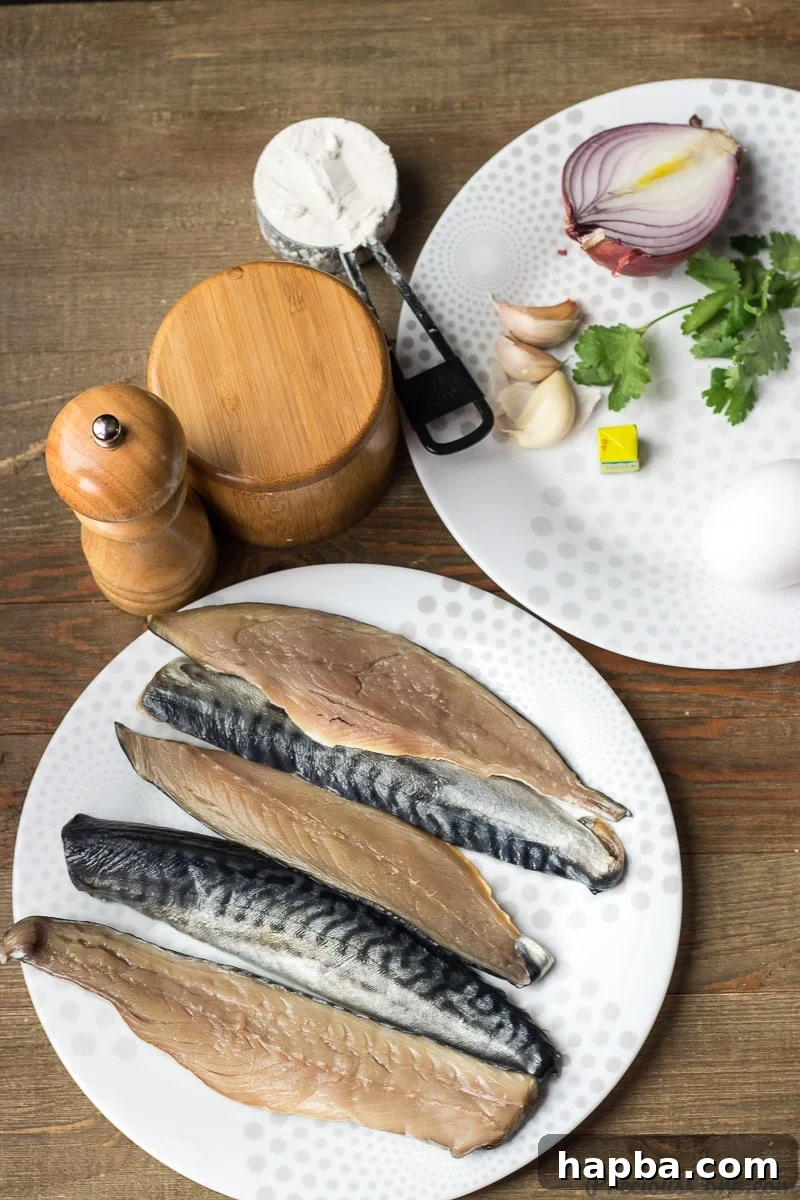
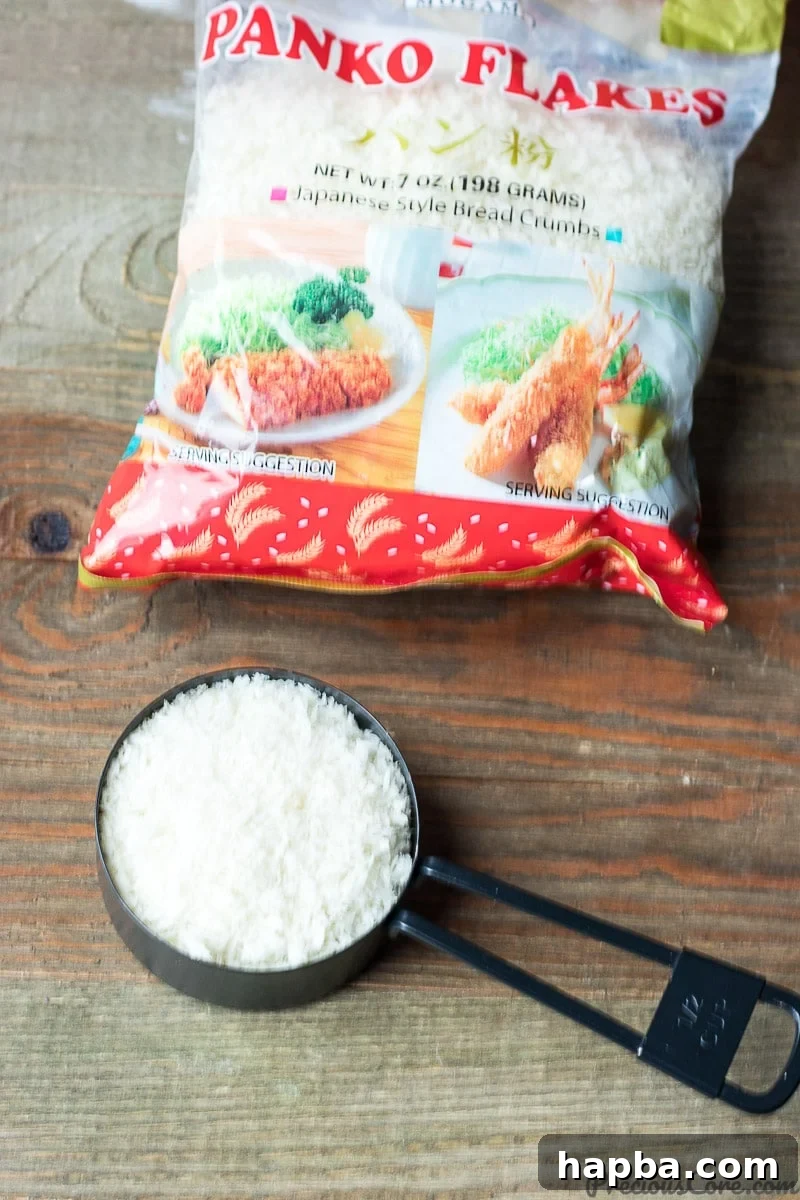
Beyond the core ingredients, there’s one secret weapon for that irresistible crunch on the outside: breadcrumbs. I specifically recommend Panko breadcrumbs for their superior crispiness, though regular breadcrumbs work well too, and for the adventurous, you can even make your own breadcrumbs at home. Apologies for nearly forgetting to capture them with the other ingredients in the photo – chalk it up to a classic “mommy brain” moment!
The Art of Preparation: A Step-by-Step Guide to Deliciousness
1. Preparing Your Fish Fillets
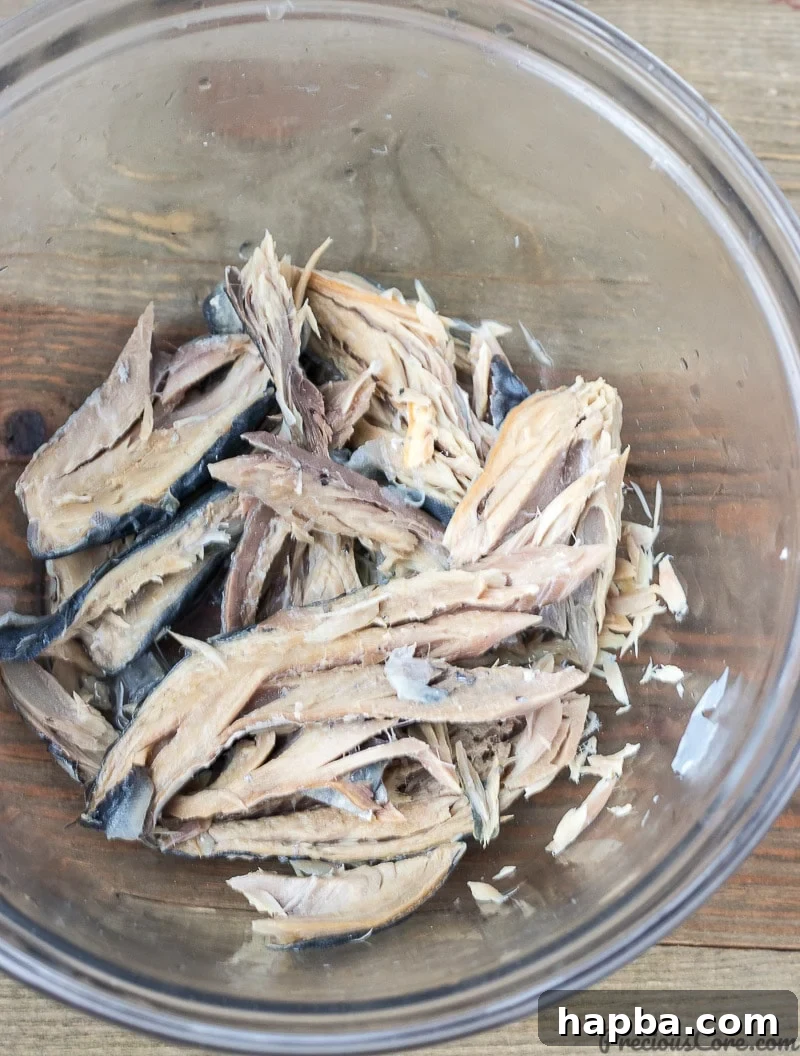
The journey to perfect fish balls begins with the fish itself. I start by lightly boiling the fish fillets with a touch of salt and white pepper. This gentle simmering ensures the fish is cooked through, soft, and flaky, making it easy to mash while retaining its delicate flavor. The key is to use very little water, allowing it to dry up completely as the fish cooks. This concentrates the flavor and prevents a watery mixture. Once cooked, transfer the fish to a bowl, ready for the next step.
2. Creating the Flavorful Fish Ball Mixture
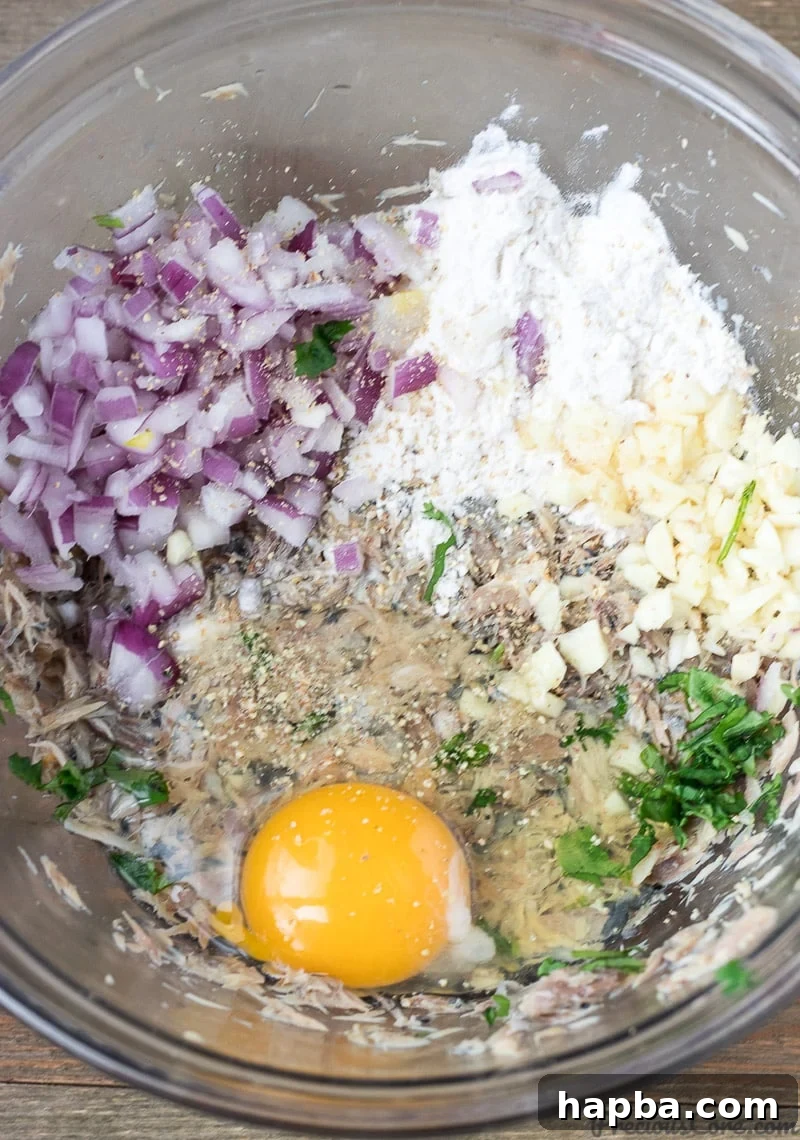
With the fish prepared, it’s time to build the flavor profile. Using a fork, gently mash the cooked fish until it reaches a desired consistency – some prefer it slightly chunky, others smoother. To this mashed fish, add your finely minced garlic and onion, which will infuse the mixture with their pungent, savory notes. Next, incorporate the chopped cilantro or parsley for a burst of fresh, herbaceous aroma. A single egg acts as a binder, holding everything together, and a portion of the flour contributes to the structure. Finally, a sprinkle of seasoning cube (like Maggi) is a quintessential West African touch, adding a complex umami depth that truly defines the dish. Mix all these ingredients thoroughly until they are perfectly combined and indivisible. This mixture, much like my popular African meatball mixture, is incredibly tasty and forms the heart of your fish balls. It’s so good, you might be tempted to eat it raw!
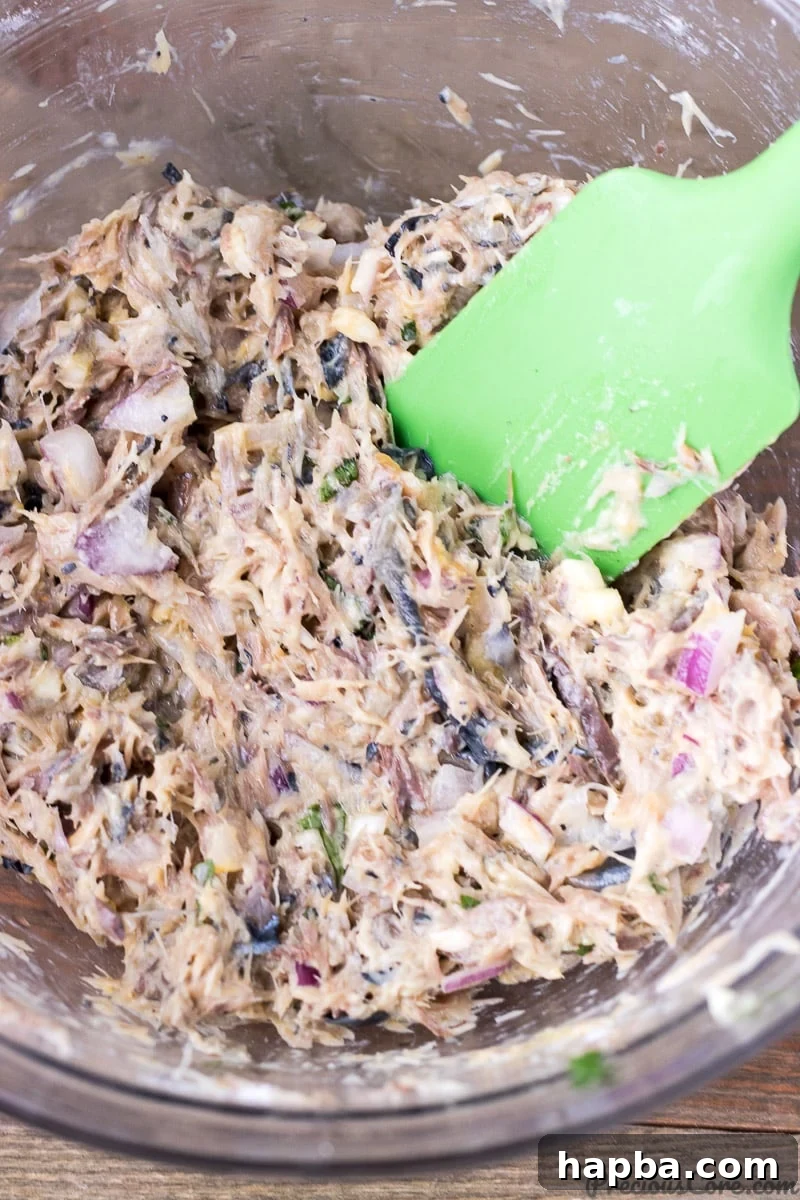
Achieving the perfect consistency for the fish ball mixture is crucial for easy shaping and optimal taste. Continue mixing until all ingredients are evenly distributed, creating a homogenous, incredibly flavorful base.
3. Shaping and Coating for the Ultimate Crunch
Now comes the fun part: forming your fish balls! I find that using a cookie scoop is ideal for portioning the mixture, ensuring that each fish ball is roughly the same size and shape, which also helps them cook evenly. If you don’t have a cookie scoop, a measuring tablespoon or even just your hands can work – just try to keep them consistent.
Before moving to the breading stage, roll each formed ball lightly in the remaining flour. This initial flour coating provides a dry surface, allowing the subsequent egg wash to adhere better. After the flour, dip each ball into a bowl of beaten egg, ensuring it’s fully coated. Finally, roll the egg-coated ball generously in your chosen breadcrumbs (Panko for maximum crunch!). Make sure the breadcrumbs completely cover the surface, creating that signature crispy shell we’re aiming for. Place the coated balls on a tray, ready for frying.
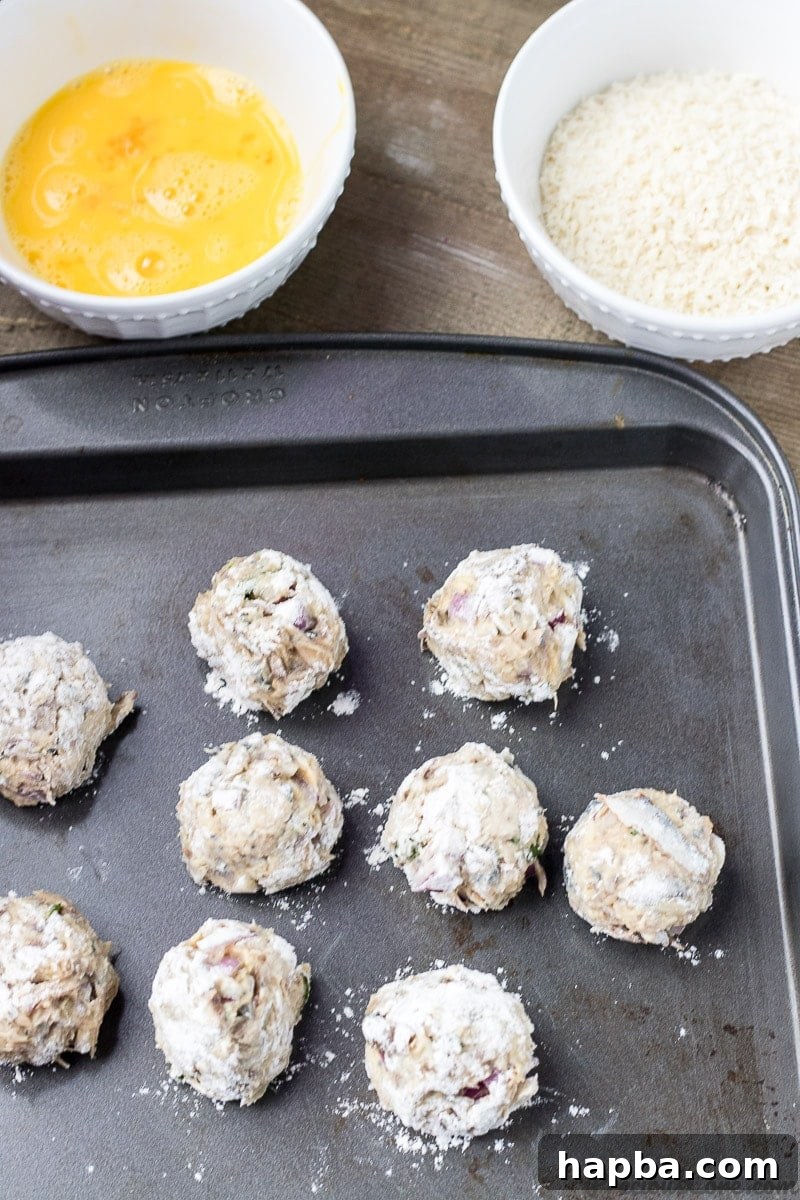
A quick note on shaping: the fish ball mixture can sometimes be a bit sticky. If you find it challenging to handle, simply wet your hands with a little water, and you’ll find it much easier to form smooth, even balls.
4. Frying to Golden Perfection
The final step to achieving perfectly crunchy African fish balls is the frying. Heat about 4 inches of oil in a deep pan or pot over medium heat, aiming for a temperature of 350°F (175°C). It’s crucial not to overcrowd the pan, as this can lower the oil temperature and result in soggy rather than crispy fish balls. Fry the balls in batches, allowing them to cook for about 4 minutes on one side until golden brown, then flip them over and cook for another 3 minutes until evenly colored and cooked through. Once perfectly golden and crispy, remove the fish balls and place them on a paper towel-lined plate to absorb any excess oil. This ensures they remain deliciously crunchy.
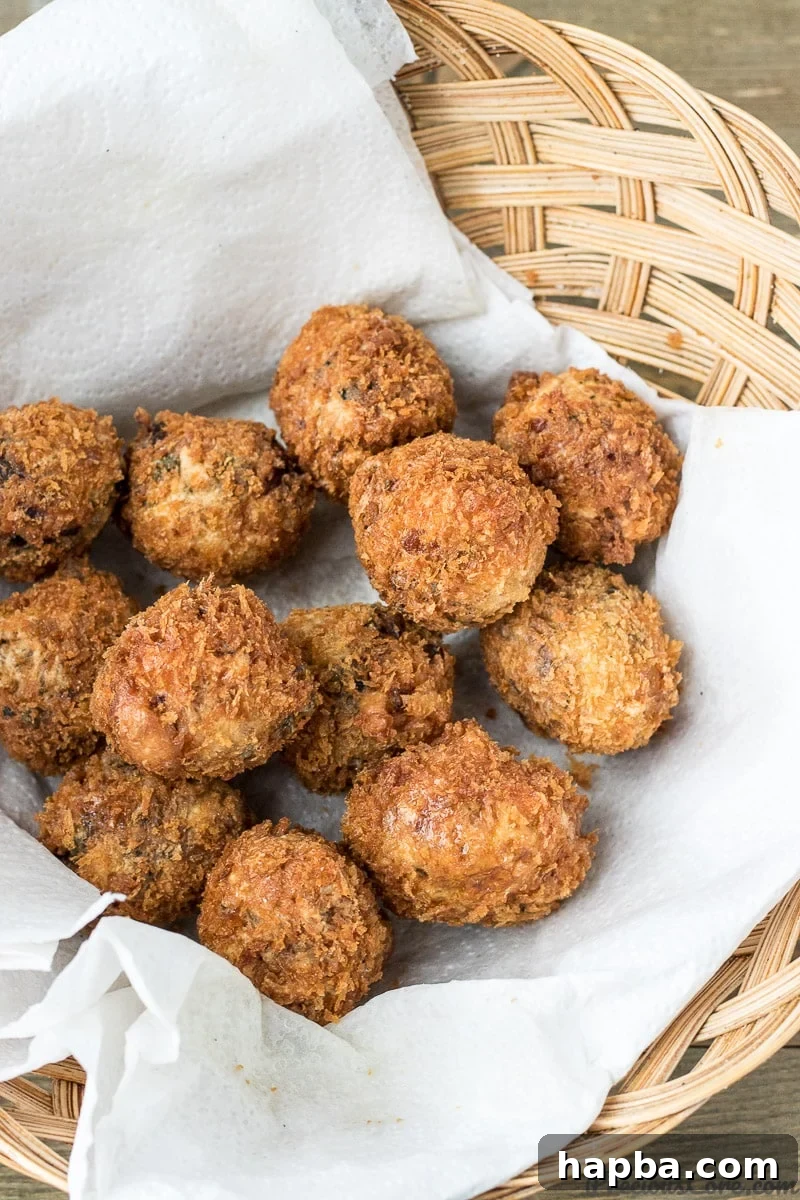
The Unmistakable Crunch and Flavor
Can you almost taste that incredible crunch from here? The sound alone is music to a food lover’s ears – a delightful “grish grish grish” with every bite. The contrast between the crispy exterior and the tender, flavorful fish interior is what makes these African fish balls truly stand out. Making delicious food like this is one of my greatest joys in life, and these fish balls exemplify that passion. They are not just good; they are crazy delicious, with the outside crunch being the ultimate highlight.
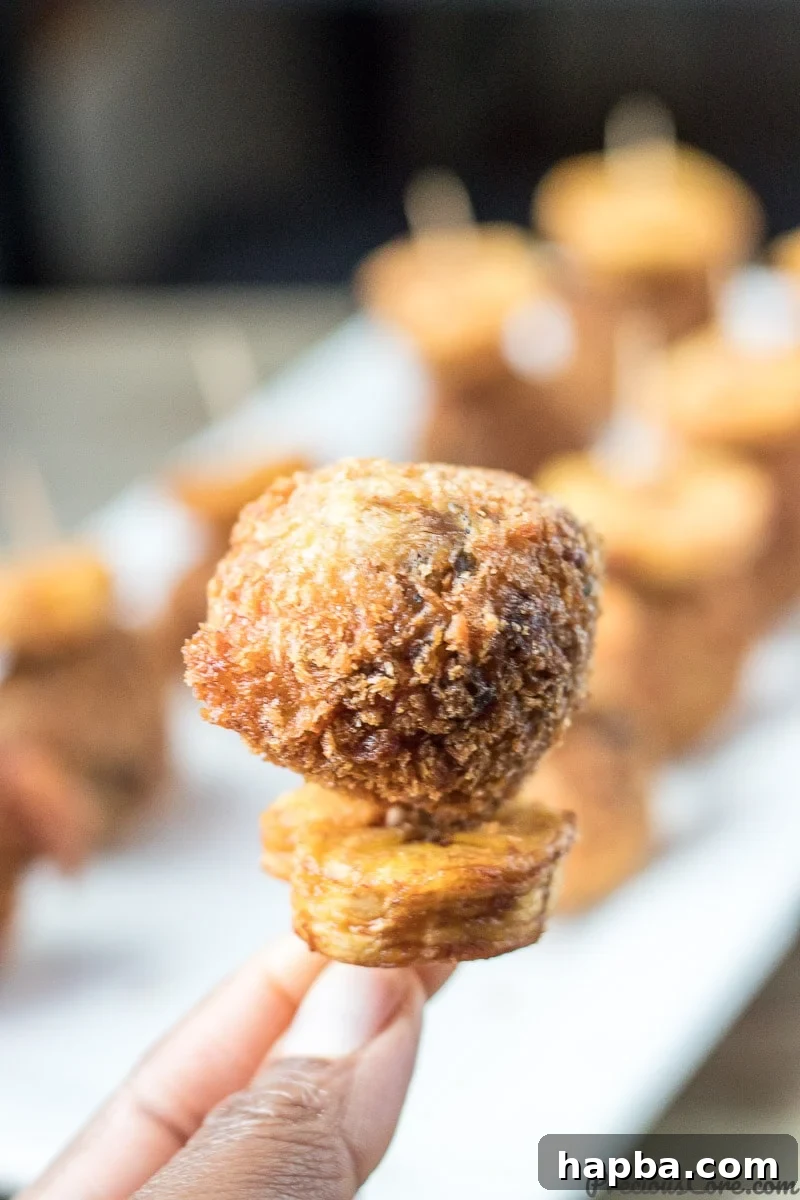
Serving Suggestions & Culinary Pairings
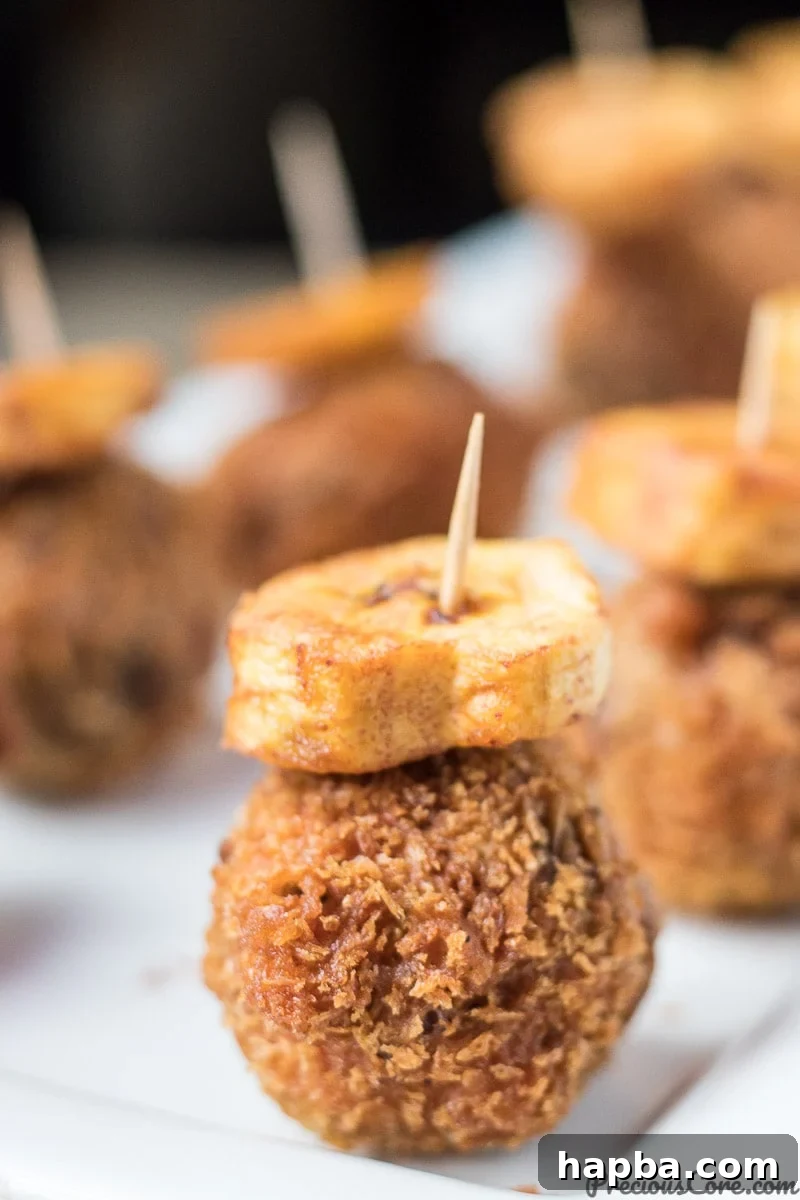
These versatile African fish balls pair wonderfully with a variety of sides, making them suitable for different meal contexts. I often serve them with a side of perfectly fried plantains, which offer a delightful sweetness to balance the savory fish. Other excellent options include classic potato fries, sweet potato fries, or even a fresh garden salad for a lighter meal.
They are also fantastic enjoyed on their own as a snack or a simple appetizer. For a more substantial West African-inspired meal, consider preparing a simple, aromatic African tomato stew and serving these fish balls alongside it over a bed of fluffy rice. The combination is simply divine!
For the ultimate foodie heaven experience, combine these crunchy African-style fish balls with some sweet fried plantains and a generous dollop of homemade African pepper sauce. The spicy kick from the sauce perfectly complements the rich flavors of the fish balls and the sweetness of the plantains. Don’t just read about it – print this recipe and whip up a batch, my friends. I promise you, it is a thousand times worth the effort!
Expert Tips for Perfect African Fish Balls
- Choosing Your Fish: While the recipe specifically mentions mackerel (especially salt mackerel, which needs soaking), feel free to use any firm white fish fillet like cod, tilapia, or hake. If fresh fillets aren’t available, you can buy a whole fish and fillet it yourself using a sharp knife to separate the flesh from the bones.
- Managing Stickiness: The fish mixture can sometimes be quite sticky. Don’t get discouraged! Simply moisten your hands with a little water before shaping each ball to prevent sticking and ensure a smoother, more uniform shape.
- Oil Temperature is Key: Maintaining the correct oil temperature (around 350°F / 175°C) is crucial for achieving a crispy exterior without overcooking the inside. If the oil is too cool, the fish balls will absorb too much oil and become greasy; if it’s too hot, they’ll burn on the outside before cooking through.
- Don’t Overcrowd the Pan: Fry in batches to maintain consistent oil temperature and allow each fish ball enough space to cook evenly and crisp up properly.
- Panko for Premium Crunch: While regular breadcrumbs work, Panko breadcrumbs truly deliver that extra layer of crispiness, making a noticeable difference in texture.
- Make Ahead & Storage: You can prepare the fish ball mixture ahead of time and store it in the refrigerator for up to 24 hours. Once shaped and coated, they can also be frozen uncooked for up to a month. Fry directly from frozen, adding a few extra minutes to the cooking time. Leftover fried fish balls can be stored in an airtight container in the fridge for 2-3 days and reheated in an air fryer or oven for best results.
Frequently Asked Questions About African Style Fish Balls
- What kind of fish is best for African fish balls?
- Mackerel is a popular choice, especially in West Africa, but any firm white fish fillet such as cod, tilapia, hake, or even pollock works well. The key is to use a fish that can be easily flaked and mashed.
- Can I bake or air fry these fish balls instead of deep frying?
- While deep frying gives the best crunch, you can try baking or air frying for a lighter option. For baking, preheat your oven to 400°F (200°C), lightly spray the coated fish balls with oil, and bake for 15-20 minutes, flipping halfway, until golden. For air frying, preheat to 375°F (190°C), spray with oil, and air fry for 10-15 minutes, shaking the basket occasionally, until crispy.
- What is a seasoning cube and can I substitute it?
- Seasoning cubes (like Maggi or Knorr) are concentrated flavor enhancers commonly used in West African cuisine, providing a savory, umami depth. If you don’t have one, you can substitute with a pinch of bouillon powder or a combination of salt, a little MSG (if you use it), and a tiny bit of onion/garlic powder for a similar savory boost, though the flavor won’t be identical.
- Is cilantro or parsley essential?
- Fresh herbs like cilantro or parsley add a crucial fresh, aromatic element. While cilantro is traditionally used in many West African dishes, parsley is an excellent substitute if cilantro is not preferred or available.
- How spicy are these fish balls?
- The fish balls themselves are not spicy, relying on the savory flavors of fish, garlic, onion, and seasoning. Any spice comes from the accompanying African pepper sauce, which you can adjust to your heat preference.
African Style Fish Balls Recipe
These West African style fish balls are a revelation: crunchy on the outside, incredibly moist, garlicky, and bursting with flavor on the inside. An irresistibly good appetizer that will impress everyone!
Prep time: 20 mins
Cook time: 20 mins
Total time: 40 mins
Servings: 12 fish balls
Ingredients
- 12 oz fish fillets (340g) – approximately 5 small fish fillets (Mackerel recommended, see Note 1)
- 3 cloves garlic – minced
- 1/2 medium onion – finely chopped
- 1 stem parsley or cilantro – finely chopped
- 1/2 cup breadcrumbs (Panko breadcrumbs for extra crunch, see Note 2)
- 2 large eggs
- 1/4 cup flour
- 1/2 teaspoon salt
- 1/4 teaspoon white pepper
- 1 seasoning cube (Maggi), 4g cube
- Oil for frying
Instructions
- Place fish fillets in a pot. Add approximately 1/8th of a cup of water (the water should be very little and mostly evaporate as the fish cooks), salt, and white pepper. Let it simmer gently on low heat for about 5-10 minutes, or until the fish is soft, flaky, and all the water has dried up.
- Transfer the cooked fish to a mixing bowl and use a fork to mash it thoroughly. Add the finely chopped onion, minced garlic, chopped parsley or cilantro, the seasoning cube, one of the eggs, and 2 tablespoons of the flour (reserve the remaining flour for coating). Mix all the ingredients together lightly until well combined.
- Note on Shaping: For uniform fish balls, I recommend using a cookie scoop to portion the mixture. If you prefer larger fish balls, an ice cream scoop can be used, but I generally prefer smaller ones for appetizers.
- Note on Stickiness: The fish mixture can become quite sticky. If it does, simply wet your hands with a little water before shaping the balls; this will make the process much easier.
- Once all the fish balls are formed, prepare your coating stations: place the remaining beaten egg in one shallow bowl, the rest of the flour in another, and the breadcrumbs in a third.
- Roll each fish ball first in the flour to lightly coat it. Then, dip it into the beaten egg mixture, ensuring it’s fully covered. Finally, roll the egg-coated ball into the breadcrumbs, making sure it’s completely coated for that desirable crunchy exterior. Place the fully coated balls on a clean tray.
- Heat about 4 inches of cooking oil in a deep pan or pot over medium heat, reaching a temperature of 350°F (175°C). Carefully place the fish balls into the hot oil, ensuring not to overcrowd the pan.
- Fry the fish balls for approximately 4 minutes on one side until they are golden brown and crispy. Then, flip them over and continue frying for another 3 minutes, or until they are evenly golden and cooked through.
- Remove the fried fish balls from the oil using a slotted spoon and place them on a paper towel-lined plate to drain any excess oil.
- Serve your delicious African fish balls as they are, or with your favorite side dish. I particularly enjoy serving them with fried plantains and a zesty African pepper sauce. Enjoy!
Notes
- Fish Choice: I used mackerel fillets for this recipe. If using “salt mackerel,” remember to soak it for several hours to reduce its salt content. You can use any fish fillet you prefer. If fillets are not available, you can buy a whole fish and fillet it yourself.
- Breadcrumbs: Panko breadcrumbs are recommended for a superior crunch, but regular breadcrumbs can also be used.
Nutrition (per serving)
- Calories: 74 kcal
- Carbohydrates: 6g
- Protein: 8g
- Fat: 2g
- Saturated Fat: 1g
- Polyunsaturated Fat: 0.5g
- Monounsaturated Fat: 1g
- Trans Fat: 0.003g
- Cholesterol: 41mg
- Sodium: 272mg
- Potassium: 122mg
- Fiber: 0.5g
- Sugar: 1g
- Vitamin A: 47 IU
- Vitamin C: 1mg
- Calcium: 25mg
- Iron: 1mg
Additional Info
- Course: Appetizer
- Cuisine: African, West African
- Calories: 74 (per serving)
We hope you love this recipe!
If you tried these African Style Fish Balls, we’d love to see your creations! Mention @preciouscore or tag #PreciousCore on Instagram.
Pin this recipe to your favorite board:
For everything there is a season,
a time for every activity under heaven.
A time to be born and a time to die.
A time to plant and a time to harvest. (Ecclesiastes 3:1-2)