

How to Make Fufu Corn: The Ultimate Guide to West Africa’s Beloved Staple
Dive into the heart of West African cuisine with this comprehensive guide to making the perfect Fufu Corn. Often simply called Corn Fufu, this traditional starchy side dish is a cornerstone of many diets across the region, celebrated for its unique texture and incredible versatility. Whether you’re new to African cooking or looking to perfect your fufu-making skills, this article provides all the insights, tips, and a detailed recipe to create an authentic and delicious Corn Fufu that will transport your taste buds straight to West Africa.
Fufu, in its many forms, is undeniably synonymous with West Africa. While it can be crafted from a variety of starchy root vegetables like cassava (yucca root), yams, cocoyams, or even green plantains, this guide focuses specifically on the beloved Corn Fufu. This variant offers a distinct flavor and consistency that makes it a favorite for serving alongside a rich array of flavorful soups and hearty vegetable stews.
Unveiling the World of Fufu: A West African Culinary Icon
Before we delve into the specifics of Corn Fufu, let’s appreciate the broader significance of fufu itself. Fufu is more than just food; it’s a cultural experience, a communal dish enjoyed across diverse communities. Its dough-like consistency is achieved through a meticulous process of cooking and pounding, traditionally in a large mortar and pestle, although modern methods often simplify this with the use of flours.
Across West Africa, the term “fufu” encompasses a wide range of starchy preparations. You might encounter cassava fufu, made purely from cassava, or a lighter water fufu. In some regions, a delightful mixture of cassava and plantains creates another popular variation. There’s also Achu, a unique fufu from the Western Highlands of Cameroon, typically served with a vibrant yellow soup. Each type offers its own textural nuances and pairs uniquely with different regional delicacies.
For many, the idea of making fufu can seem daunting, but this recipe is designed to demystify the process, especially for those who’ve been eager to try their hand at this cherished dish. We’re here to guide you through “how to turn fufu,” a local expression that speaks to the vigorous stirring required to achieve its signature consistency. Are you ready to embark on this culinary adventure with us?
What Makes Corn Fufu Unique?
Corn Fufu, or Fufu Corn as it’s often called, is a starchy side dish derived from corn flour. It bears a superficial resemblance to Western polenta due to their shared corn base. However, the similarities end there. While polenta is typically seasoned with various herbs, spices, and cheeses, corn fufu is traditionally prepared plain, allowing its subtle corn flavor to shine through and complement the often rich and savory soups it accompanies. This simplicity is key to its role as a palate cleanser and a perfect vessel for scooping up every last drop of your delicious West African stews, such as African okra soup.

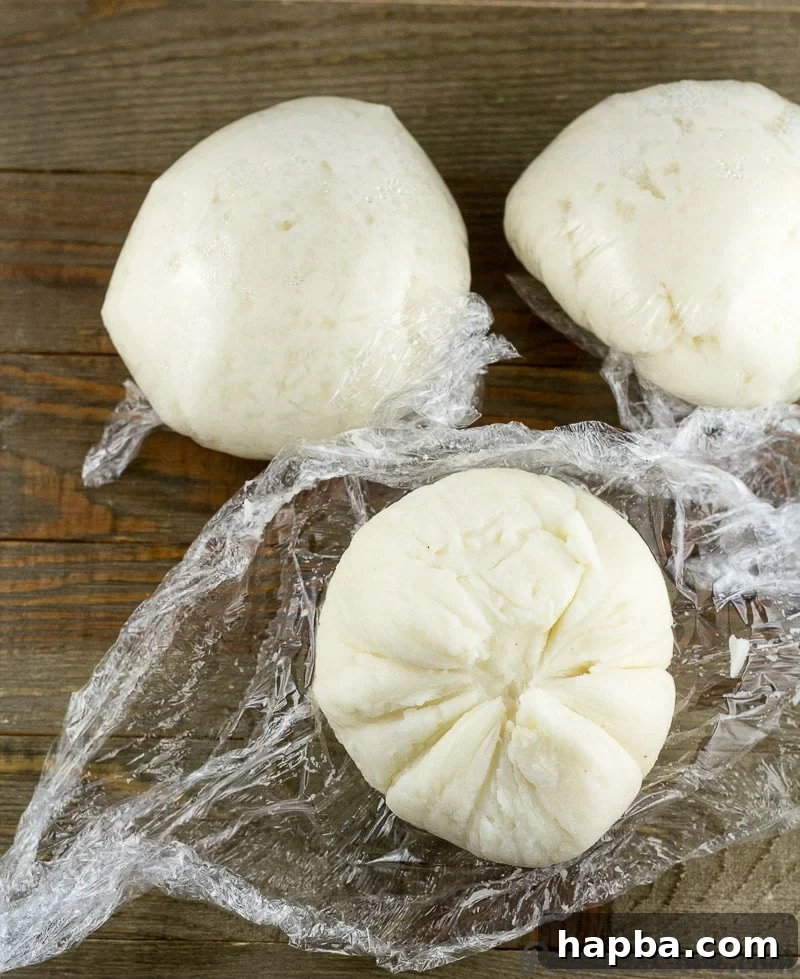
One of the most fascinating aspects of Fufu Corn is its dynamic texture. When served hot, it boasts a wonderfully soft and fluffy consistency, making it easy to mould and enjoy. As it cools, however, it undergoes a transformation, firming up to a cake-like density. This characteristic allows it to be served in various ways, often wrapped individually for convenience or presented as a solid block that can be easily portioned.
Regional Variations and Cultural Significance
The method of preparing corn fufu can vary significantly from one African country to another, each region imparting its unique touch to this staple. This particular recipe highlights the traditional Cameroonian approach, a technique passed down through generations. It’s interesting to note the differences; for instance, the Ugandan version, known as “Ugali,” is prepared using a distinct method, resulting in a slightly different consistency and serving style.
In many West African communities, Fufu Corn holds deep cultural importance. For example, in Mr. N’s village, it is not merely a dish but a daily ritual, forming the backbone of almost every meal when paired with vibrant soups or fresh vegetables. This speaks volumes about its nourishing qualities and its integral role in daily life.
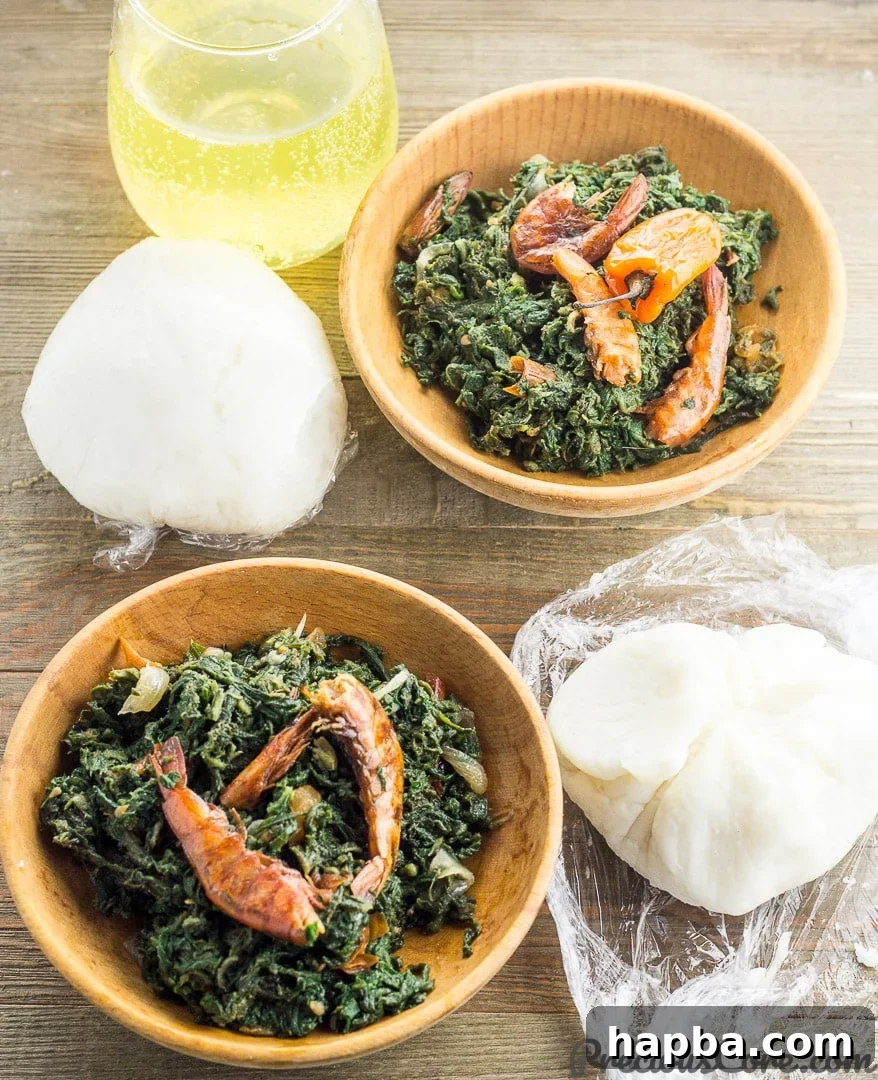
The popularity of Corn Fufu extends beyond tradition; it’s genuinely loved for its taste and how well it complements various dishes. My children, for example, thoroughly enjoy it with a simple okra soup, highlighting its appeal across all ages. Moreover, Corn Fufu is a whole grain food, which brings undeniable health benefits, including dietary fiber and essential nutrients. However, as with any starchy food, mindful portion control is advisable to maintain a balanced diet.
With this background, let’s roll up our sleeves and dive into the practical steps of making your very own Fufu Corn. Get ready to experience the rich flavors of West Africa right in your kitchen!
Watch How to Make Fufu Corn
Visual guidance can be incredibly helpful when learning to prepare traditional dishes like Fufu Corn. Watch the video below for a clear demonstration of each step, ensuring you achieve the perfect consistency and technique.
If you prepare this recipe, we would be thrilled to hear from you! Please consider leaving a star rating below to share your experience. Your feedback is invaluable and helps others discover and enjoy this wonderful dish. Thank you!
How to Make Fufu – Fufu Corn
5 from 8 votes
Fufu Corn is a widely enjoyed starchy side dish in West Africa, perfect with soups and vegetables. This recipe provides a straightforward guide to making authentic Cameroonian corn fufu with the ideal texture and consistency. Even novice cooks can master this traditional staple. Enjoy!
Prep Time: 10 mins
Cook Time: 20 mins
Total Time: 30 mins
Servings: 8 servings
Rate
Print Recipe
Ingredients
- 4 cups corn flour (approximately 500g or half kg)
- 8 cups water (approximately 2 liters)
Instructions
- Begin by placing 6 and a half cups of water into a large, sturdy pot. Bring this water to a rolling boil over high heat.
- While the water is heating, take one cup of the corn flour and place it in a separate mixing bowl. Gradually add 1 cup of cold water to the flour, mixing thoroughly to form a smooth, lump-free paste. Continue by adding another half cup of water, stirring well until you achieve a loose, creamy mixture with a consistency similar to liquid whole milk. This slurry is crucial for preventing lumps later.
- Once the water in the pot is boiling, carefully remove about 5 cups of this hot water and set it aside in a heat-safe container. Reduce the heat under the pot to medium. While continuously stirring the remaining water in the pot with a strong wooden spoon (or a fufu stick), gradually pour in the corn flour mixture you prepared. Keep stirring vigorously to ensure no lumps form. As you stir, you’ll notice the mixture beginning to thicken considerably. This initial thickened base is key to seamlessly incorporating the rest of the dry flour.
- Now, add half of the remaining dry corn flour to the pot. Mix intensely, “turning” the fufu with your wooden spoon, incorporating the flour completely into the mixture. The fufu will become much stiffer at this stage, requiring significant effort. Continue until no dry flour is visible.
- Add the second half of the dry corn flour and repeat the vigorous mixing process. It will become a true workout for your arms, but persistence is key to achieving a smooth, uniform dough. Ensure all the flour is fully incorporated and the fufu is consistently smooth.
- Once all the flour is thoroughly mixed in and the fufu is a cohesive dough, add half of the hot water you reserved earlier back into the pot. Cover the pot tightly and allow the fufu to steam and cook for 5 minutes over medium heat. This step helps to fully cook the flour and softens the fufu.
- After 5 minutes, uncover the pot and vigorously mix the fufu with the added water using a circular motion until it is well incorporated and smooth again. This mixing ensures even cooking and perfect texture.
- Pour in the remaining hot water, cover the pot once more, and let it cook for another 5 minutes on medium heat. This final steaming helps to achieve the desired softness and consistency.
- Finally, uncover and mix the fufu one last time, ensuring all the hot water is absorbed and the fufu is perfectly smooth and pliable. Let it cook for approximately 3 more minutes. At this point, your delicious corn fufu is ready to be served!
Wrapping the Corn Fufu for Serving
- To create individual, neatly wrapped portions of corn fufu, tear off a piece of plastic wrap roughly the length from your wrist to your elbow. Lay the plastic wrap over a small, deep bowl.
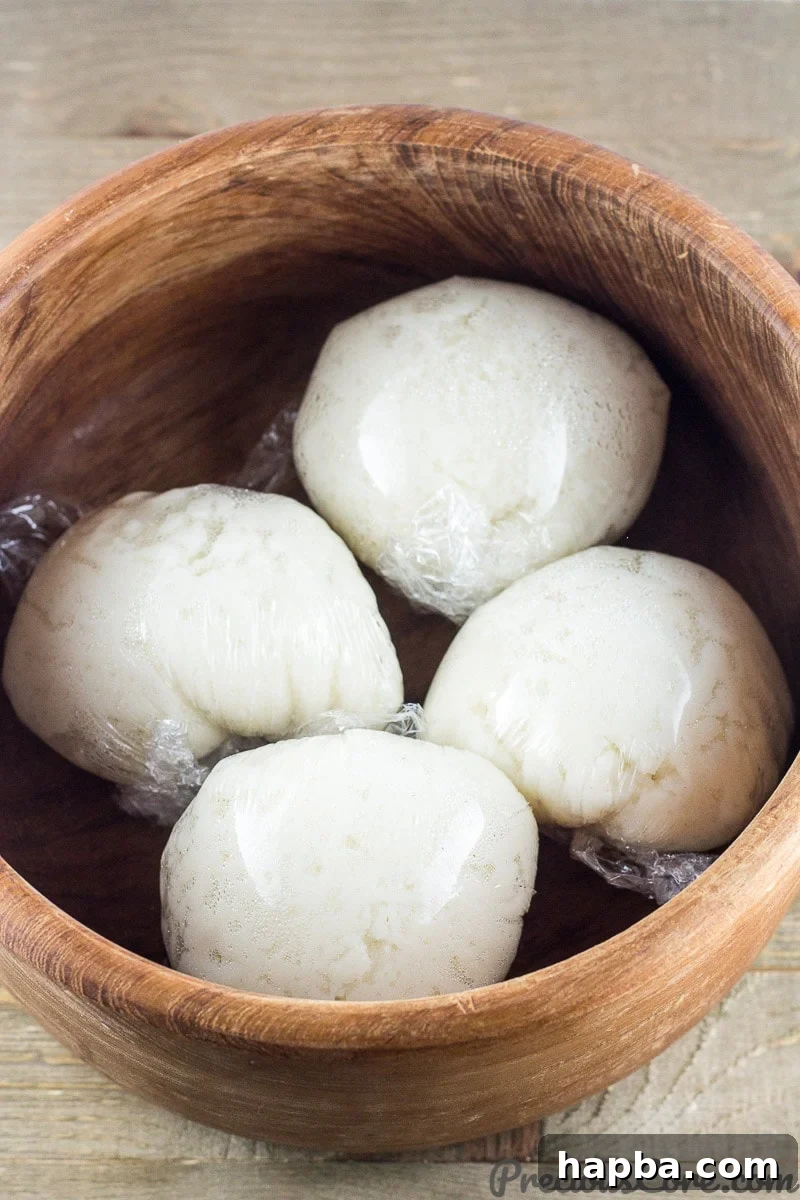
- Spoon a desired portion of the hot corn fufu onto the center of the plastic wrap. Carefully gather all the edges of the plastic wrap upwards, bringing them together to fully enclose the fufu. Twist the gathered plastic wrap tightly at the top to seal and shape the fufu into a compact ball. This method makes for easy handling and portioning. For a visual demonstration, refer to the instructional video.
- Alternatively, for a more traditional presentation, you can wrap your corn fufu in warm, softened banana leaves. If individual portions aren’t desired, simply transfer the entire batch of fufu into a large, elegant serving bowl and present it directly from there.
Notes & Expert Tips
- Corn Flour Substitution: If authentic corn flour is difficult to source outside of West Africa, a fine semolina can serve as an excellent substitute. The cooking process remains largely the same, yielding a similar starchy side dish.
- Visual Learning: We highly recommend watching the accompanying video. Seeing the technique in action, especially the “turning” process and the consistency at each stage, will greatly enhance your understanding and success in making perfect corn fufu.
- Tools Matter: A sturdy wooden spoon or a specialized fufu stick is essential for the vigorous stirring required. A non-stick pot can also make the process easier.
- Consistency Check: The perfect corn fufu should be smooth, lump-free, and firm enough to hold its shape but still pliable when hot. If it feels too stiff, you might need a tiny bit more hot water (added cautiously, a tablespoon at a time). If too soft, continue stirring on low heat to evaporate excess moisture.
- Storage: Leftover fufu corn can be wrapped tightly in plastic wrap or stored in an airtight container in the refrigerator for up to 3-4 days.
- Reheating: To reheat, sprinkle a little water over the fufu, rewrap it, and microwave in short bursts until soft and warm, or steam it gently in a pot.
Nutrition Information (Per Serving)
Calories: 212 kcal | Carbohydrates: 44g | Protein: 5g | Fat: 2g | Saturated Fat: 0.3g | Polyunsaturated Fat: 1g | Monounsaturated Fat: 1g | Sodium: 15mg | Potassium: 153mg | Fiber: 4g | Sugar: 1g | Vitamin A: 3IU | Calcium: 86mg | Iron: 1mg
(Nutritional values are estimates and may vary based on ingredients and preparation methods.)
Additional Information
Course: Main Course, Side Dish
Cuisine: Cameroonian, West African
Dietary: Whole Grain, Vegan (if served with plant-based accompaniments)