
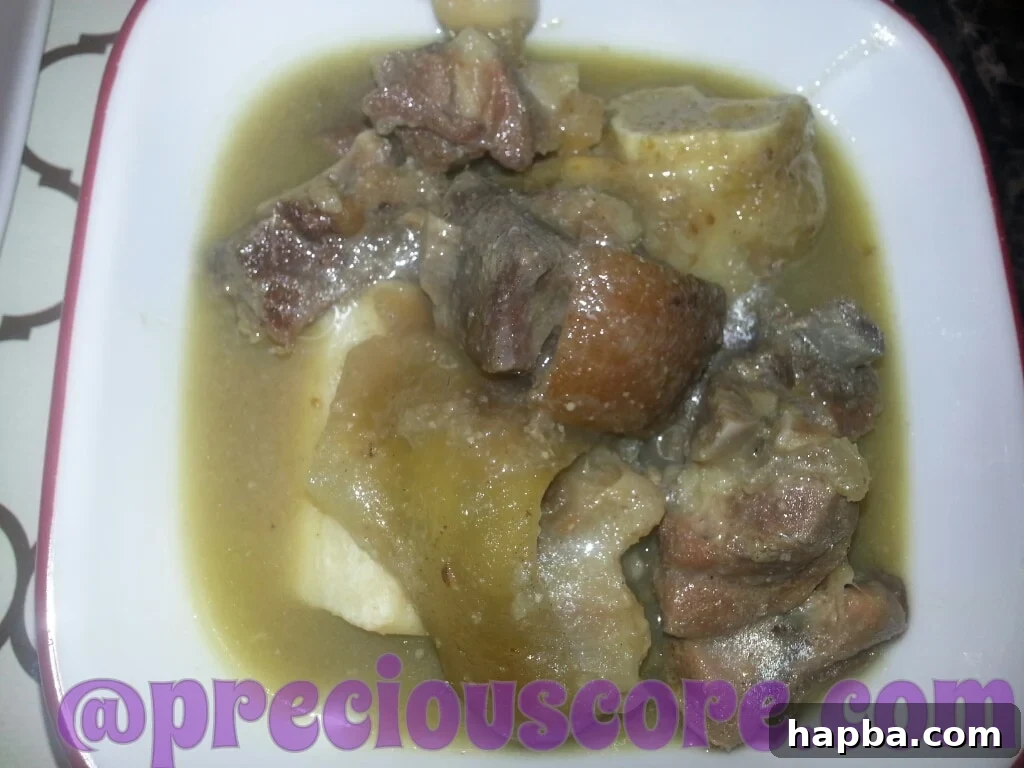
Experience the Soul-Soothing Magic of Authentic Pepper Soup
Pepper Soup isn’t just a meal; it’s a culinary elixir, revered across West Africa for its comforting warmth and believed restorative properties. Imagine a bowl brimming with a rich, aromatic broth, infused with an exquisite blend of herbs and spices that not only tantalize your taste buds but also leave you feeling revitalized. This isn’t merely food; it’s a delicious form of self-care, a warming embrace that speaks directly to the soul. Despite its profound depth of flavor and intricate spice profile, crafting this incredible soup is surprisingly straightforward, making it an accessible delight for any home cook eager to explore the vibrant world of African cuisine.
The Nuance of ‘Pepper’ in Pepper Soup: A Culinary Misconception Unveiled
The name “Pepper Soup” often leads to the assumption that this dish must be intensely spicy, bursting with chili heat. However, this is a beautiful misconception. While some versions certainly pack a fiery punch, the “pepper” in its name primarily refers to the complex symphony of aromatic, warming spices that define its character, rather than just the searing heat of chili peppers. These spices collectively create a distinctive “peppery” sensation that is robust and invigorating, but not necessarily overwhelming. The beauty of authentic Pepper Soup lies in its adaptability. You hold the reins when it comes to heat. Whether you prefer a gentle warmth or a vibrant inferno, the spice levels can be meticulously tailored to your palate. For families with younger children or those who prefer milder flavors, the addition of hot peppers like habaneros can be significantly reduced or even entirely omitted without compromising the soup’s core essence. Many of the traditional spices inherently contribute a subtle warmth, allowing you to enjoy a deeply flavorful soup that won’t bring tears to anyone’s eyes. It’s truly a testament to the versatility of this beloved dish, proving that you can absolutely enjoy a phenomenal Pepper Soup without the scorching ‘pepper’.
Njansa: The Secret Ingredient and Heartbeat of Cameroonian Pepper Soup
In Cameroon, the undeniable star of an authentic Pepper Soup is an ingredient known as Njansa, also widely referred to as Akpi nuts. These small, golden-hued nuts are more than just a thickening agent; they are the secret behind the signature earthy, nutty, and slightly bitter flavor that distinguishes Cameroonian Pepper Soup and sets it apart. Njansa provides a rich depth and an almost umami-like quality that is truly unparalleled. Beyond its unique taste profile, it also lends a subtle thickness to the broth, contributing to its comforting and satisfying texture.
Sourcing Njansa might require a little effort, especially if you’re outside of West Africa. In the United States and other Western countries, your best bet is to explore local African specialty stores or international markets, which often stock a wide array of ingredients essential to African cuisine. Alternatively, the vibrant African diaspora community is a wonderful resource; don’t hesitate to ask friends, family members, or even acquaintances who might have recently traveled from Cameroon or other West African nations for assistance. They often bring back these cherished ingredients, or know reliable sources. For those who enjoy online shopping, several ethnic food websites are beginning to offer Njansa, making it more accessible than ever.
However, if your search for Njansa proves challenging, do not despair! While it undeniably adds a unique touch, its absence should never deter you from making a delicious Pepper Soup. The diverse array of other aromatic spices available at most local grocery stores can still create a profoundly flavorful and comforting soup. You can compensate for the thickening property by using a tiny bit of ground melon seeds (egusi) or even a very light roux, and enhance the spice blend with additional warming spices like calabash nutmeg (ehuru/goron tula) to capture a similar depth. The essence of Pepper Soup lies in its robust blend of spices, and with a bit of creativity, you can achieve an incredibly satisfying result, even “sans Njansa.”
Crafting the Aromatic Heart: Essential Spices for Your Pepper Soup
The true magic of Pepper Soup resides in its intricate and fragrant spice blend. While there’s a world of spices to choose from, a foundational trio forms the backbone of almost every recipe: fresh garlic, zesty ginger, and pungent onions. These three ingredients are non-negotiable, providing the essential aromatic base upon which all other flavors are built. Garlic offers a pungent depth, ginger contributes a refreshing, peppery warmth, and onions lay down a sweet, savory foundation.
Beyond these indispensable aromatics, the world of Pepper Soup spices opens up, allowing for endless customization based on regional preferences and personal taste. My kitchen shelf often dictates my choices, but common additions that elevate the soup include:
- White Pepper: Adds a different kind of gentle heat and a subtle earthy note.
- Celery: Not just a vegetable, its seeds can contribute a distinct, savory aroma.
- Bay Leaves: Infuse a delicate, almost floral, herbaceous quality to the broth.
- Fennel Seeds: Offer a subtle anise-like sweetness and warmth.
- Calabash Nutmeg (Ehuru/Goron Tula): A highly prized spice in West Africa, offering a musky, woody, and slightly sweet aroma that is central to many traditional spice blends.
- Uziza Seeds/Leaves: Known for their unique peppery, slightly bitter, and aromatic flavor, often ground and added to the spice blend or used as a garnish.
- Scent Leaves (Efirin): A fragrant herb widely used in Nigerian cuisine, it imparts a minty, basil-like aroma that brightens the soup.
- Allspice and Cloves: Often used in subtle quantities to provide warmth and depth, contributing to the overall “pepper” profile.
The key to maximizing the flavor of these spices is to use them fresh whenever possible and to properly prepare them. Grinding or blending whole spices just before cooking unlocks their full aromatic potential, releasing essential oils that infuse the broth with unparalleled richness. Many cooks even create their own signature “pepper soup spice blend” by toasting and grinding a combination of these spices, ensuring a consistent and deeply flavorful base for every batch. The art lies in balancing these diverse aromas to create a harmonious and invigorating soup that is both complex and incredibly satisfying.
The Protein Canvas: Customizing Your Pepper Soup Experience
One of the most appealing aspects of Pepper Soup is its remarkable versatility when it comes to protein choices. While the traditional preparations often feature rich and robust meats, the canvas is yours to paint with whatever protein best suits your preference or availability. This recipe highlights goat meat and cow feet – choices celebrated for their deep flavor, unique textures, and the body they impart to the broth through their collagen content. Goat meat offers a distinct, gamey richness that pairs exceptionally well with the spices, while cow feet contribute a wonderful gelatinous quality that enriches the soup’s mouthfeel.
However, your options are far from limited:
- Fish: For a lighter and quicker-cooking version, various types of fish, such as catfish, tilapia, or croaker, are excellent choices. Fish Pepper Soup is particularly popular for its delicate flavor that allows the spices to truly shine. Due to fish’s shorter cooking time, the method for adding spices will differ slightly.
- Chicken: A universally loved protein, chicken offers a versatile base. Dark meat cuts like drumsticks and thighs provide more flavor and tenderness, while a whole cut-up chicken can create a hearty soup. Chicken Pepper Soup is often a favorite for its accessibility and broad appeal.
- Beef: Stewing cuts of beef, such as oxtail, short ribs, or beef chunks, can be used to create a robust and deeply savory Pepper Soup. These cuts benefit from longer simmering times, allowing them to become incredibly tender and infuse the broth with their rich flavors.
- Assorted Meats: For the adventurous and those who appreciate a variety of textures and flavors, an “assorted meats” Pepper Soup is the ultimate choice. This often includes a mix of beef, goat, cow tripe, cow feet, and even snails. This medley creates a complex and deeply satisfying culinary experience, offering a different bite with every spoonful.
Ultimately, the choice is entirely yours. Each protein imparts its unique character to the soup, allowing you to tailor your Pepper Soup experience to your cravings. Whether you seek the traditional richness of goat, the delicate notes of fish, or the hearty appeal of assorted meats, this recipe serves as a flexible guide to your perfect bowl.
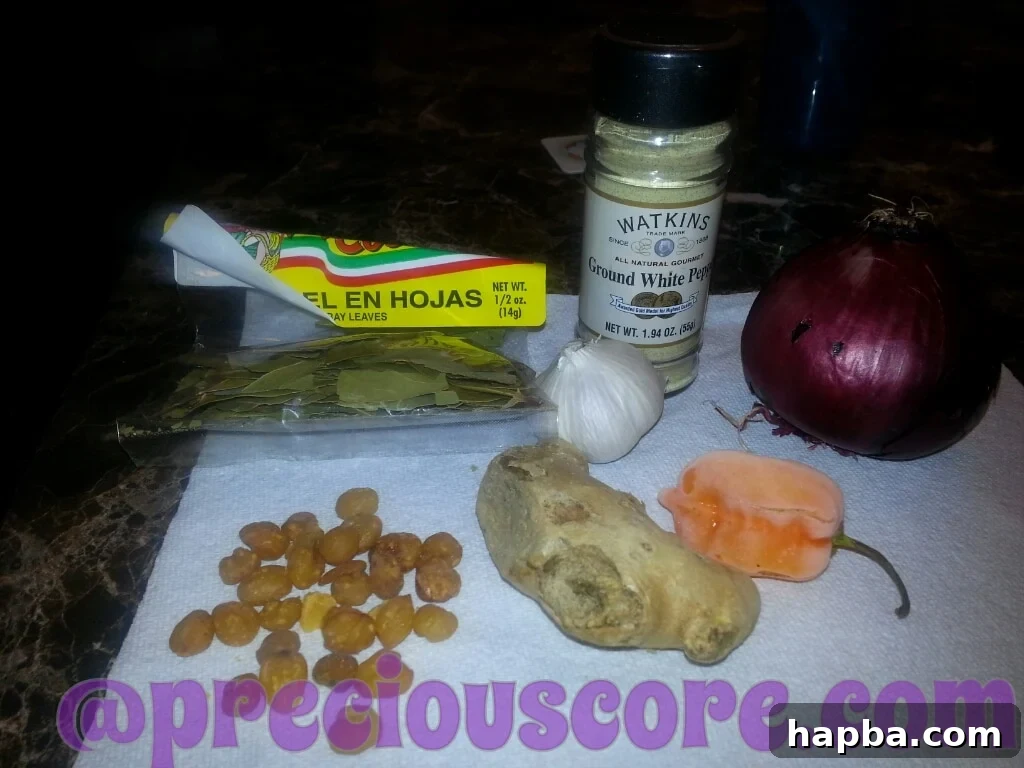
A Visual Guide to Our Featured Ingredients
Below, you’ll find an image showcasing the ingredients used in this specific recipe. Pay close attention to the golden-looking nuts on the left; those are the precious Njansa, ready to impart their unparalleled flavor.
Authentic Pepper Soup Recipe: Your Guide to a Soulful Dish
Get ready to embark on a culinary journey that promises a deeply satisfying and invigorating experience. This recipe provides a clear, step-by-step guide to preparing a truly authentic Pepper Soup, ensuring that even novice cooks can achieve a delicious and impressive result. The preparation is broken down into manageable steps, focusing on maximizing flavor extraction and achieving the perfect balance of spices. Prepare to delight your senses with this classic West African delicacy.
Prep Time: 30 minutes
Cook Time: 60 minutes (adjust based on protein choice)
Serves: 4
Ingredients
- 2 pounds of your chosen protein (e.g., goat meat, cow feet, chicken, or fish), cut into appropriate serving sizes
- 1/4 cup of Njansa (Akpi nuts), preferably raw and unpeeled, or an alternative such as 2 tbsp ground melon seeds (egusi)
- 2 tablespoons of freshly blended garlic and ginger paste (about 6-8 cloves garlic and a 2-inch piece of ginger)
- 1 bay leaf
- 1 habanero pepper (or Scotch bonnet), deseeded and minced for less heat, or left whole for more intense spice – adjust to your preference or omit entirely
- 1 large red onion, half finely chopped, half blended with the garlic and ginger
- 2 seasoning cubes (such as Maggi or Knorr) or two teaspoons of your preferred bouillon powder (e.g., chicken or beef bouillon)
- Salt to taste
- 4-6 cups of water (adjust based on desired soup consistency)
- Optional garnishes: Fresh scent leaves (efirin) or uziza leaves, chopped cilantro/parsley
Method
Step 1: Preparing Your Protein
Begin by thoroughly washing your chosen protein under cold running water. If using goat meat or cow feet, ensure they are meticulously cleaned and any excess fat or impurities are removed. Cut the meat into manageable, bite-sized pieces suitable for soup. Place the cleaned protein into a large pot suitable for simmering.
Step 2: Initial Simmer for Meat (If using meat like goat, beef, or cow feet)
Add enough water to the pot to fully cover the meat, typically about 4-6 cups. Bring the water to a rolling boil over medium-high heat. As it begins to boil, you may notice foam or scum rising to the surface; carefully skim this off to ensure a clear and flavorful broth. Once the water boils, reduce the heat to medium-low, cover the pot, and let the meat simmer for approximately 30 minutes. This initial cooking helps to tenderize the meat and create a foundational broth. During this phase, you can add a pinch of salt to slightly season the meat, but hold off on the main spices.
Step 3: Preparing the Aromatic Spice Paste
While your meat is simmering, prepare your key aromatics. If using Njansa, you’ll need to blend or grind it thoroughly. For best results, lightly toast the Njansa nuts in a dry pan for a few minutes to enhance their aroma, then grind them into a fine powder or paste. Combine the ground Njansa (if using) with the blended garlic and ginger paste, and half of the chopped red onion. You can use a small blender or mortar and pestle to achieve a smooth, fragrant paste.
Step 4: Infusing the Deep Flavors
After the initial 30 minutes of simmering for the meat, it’s time to introduce the heart of the Pepper Soup’s flavor. Add the blended Njansa/spice paste, the remaining half of the chopped red onion, the bay leaf, and the habanero pepper (if using) to the pot. This timing is crucial for meat-based soups: adding the spices halfway through the cooking process ensures that their potent aromas and flavors are fully integrated into both the broth and the meat, preventing them from “cooking out” and losing their vibrancy. This technique results in a well-seasoned protein and a remarkably tasty, aromatic soup.
Step 5: Seasoning to Perfection
Stir in the seasoning cubes or bouillon powder. Add salt to taste, remembering that seasoning cubes already contribute some salinity. Stir everything well to combine. Allow the soup to continue simmering for another 20-30 minutes, or until the meat is fork-tender and the flavors have thoroughly melded. Taste and adjust seasoning as needed – perhaps a little more salt, a touch more spice blend, or even a squeeze of lemon or lime juice to brighten the flavors.
Special Note for Fish/Seafood Pepper Soup: If you are using fish or other seafood, the cooking time will be significantly shorter. In this case, add all the spices, seasoning, and aromatics (including the blended paste, onion, bay leaf, and habanero) at the beginning, along with the fish. Bring to a boil, then reduce heat and simmer for just 10-15 minutes, or until the fish is cooked through and flaky. This prevents the fish from overcooking and becoming tough.
That’s essentially it! Your incredibly aromatic, deeply flavorful, and soul-satisfying Pepper Soup is ready to be enjoyed.
Serving Your Culinary Masterpiece
Pepper Soup is wonderfully versatile in how it can be served, making it suitable for a variety of occasions and appetites. It’s often enjoyed as a standalone dish, particularly as a comforting appetizer or a light, therapeutic meal, especially during colder months or when feeling under the weather. The warmth and aromatic spices are known to clear the sinuses and offer a sense of wellness.
For a more substantial and fulfilling experience, Pepper Soup truly shines when paired with traditional starchy accompaniments. Consider serving it alongside:
- Boiled Yam: The soft, starchy yam perfectly soaks up the rich broth.
- Boiled Plantains: Whether ripe for a hint of sweetness or unripe for a firmer texture, plantains are a classic pairing.
- Cocoyams or Potatoes: Other root vegetables can offer a delightful alternative to yam.
- White Rice: A simple bed of fluffy white rice provides a neutral base, allowing the soup’s complex flavors to dominate.
- Fufu or Eba (Garri): For a truly authentic West African experience, serve your Pepper Soup with a swallow food like fufu or eba, using your hands to scoop up the soup.
- Crusty Bread: A simple, crusty baguette or roll is excellent for soaking up every last drop of the delectable broth.
Garnish your individual servings with fresh scent leaves (efirin), uziza leaves, or a sprinkle of chopped cilantro or parsley for an added burst of freshness and aroma. Regardless of how you choose to enjoy it, each spoonful of Pepper Soup promises a truly unforgettable culinary journey, a heartwarming testament to the vibrant flavors of African cuisine.
Conclusion: Your Journey to a Heartwarming Bowl
From its humble origins to its celebrated status as a therapeutic and utterly delicious meal, Pepper Soup truly embodies the rich culinary heritage of West Africa. This recipe empowers you to recreate that magic in your own kitchen, inviting you to savor the intricate dance of spices and the comforting warmth that makes this dish so universally cherished. Whether you follow the recipe to the letter or customize it with your favorite proteins and spice levels, the journey of making Pepper Soup is as rewarding as the first spoonful. We encourage you to try this recipe, experiment with its incredible versatility, and share the joy of this soul-soothing delicacy with your loved ones.
If this recipe has inspired you, please consider sharing it with friends and family by clicking on one of the social media icons below. Your support helps us continue sharing these wonderful culinary traditions. May your kitchen be filled with warmth and your table with delicious meals. God bless you!