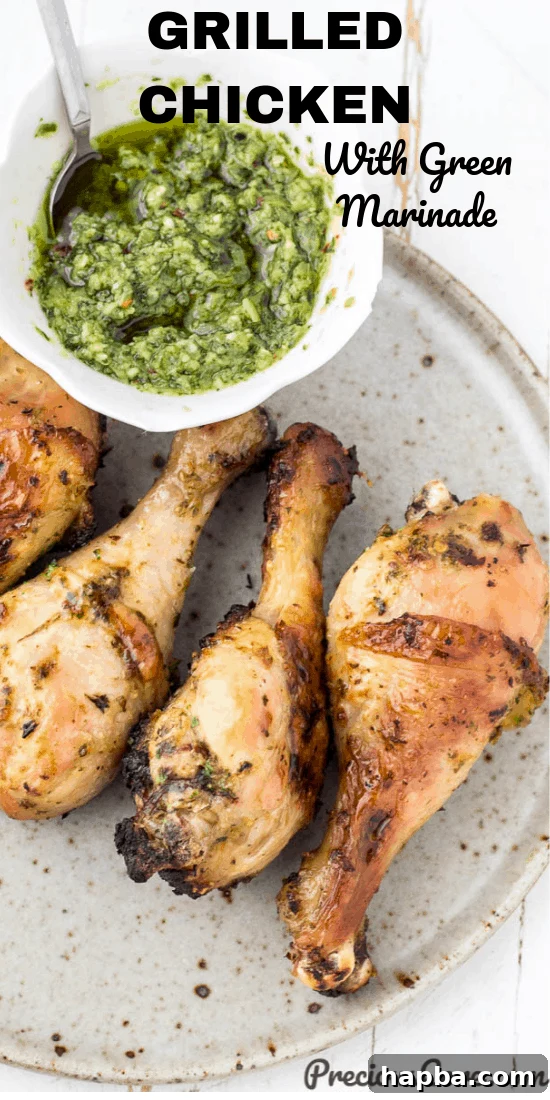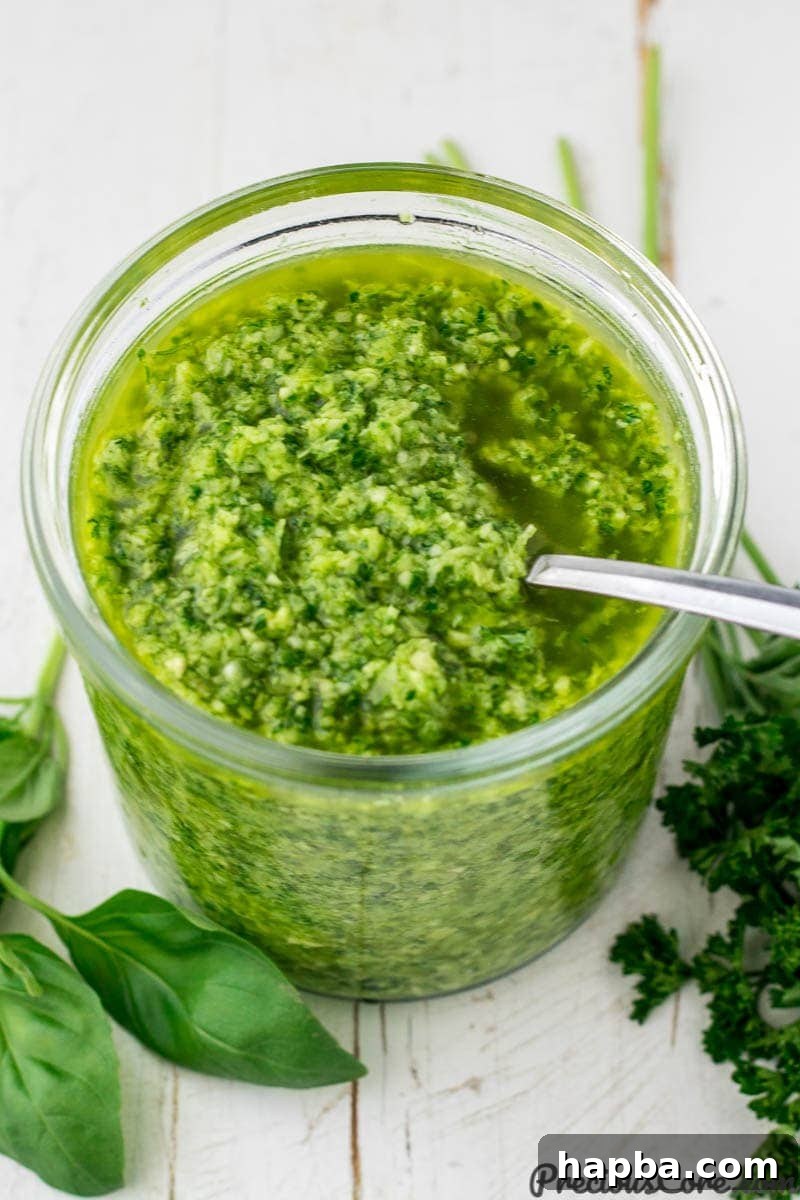
Unlock a world of vibrant flavors with the ultimate Green Seasoning Recipe! This versatile green marinade isn’t just for grilling; it’s a culinary secret weapon that elevates everything from succulent grilled chicken, beef, and fish to hearty soups, rich stews, and countless everyday meals. Prepare to transform your cooking and impress your taste buds with this sensational blend of fresh herbs and aromatic ingredients.
Imagine a single, powerful concoction that brings a burst of freshness and depth to almost any dish. This Green Seasoning recipe, crafted from a harmonious blend of green herbs, is precisely that. It’s more than just a seasoning; it’s a lifestyle upgrade for your kitchen that promises to revolutionize your approach to home cooking, making gourmet flavors accessible to everyone.
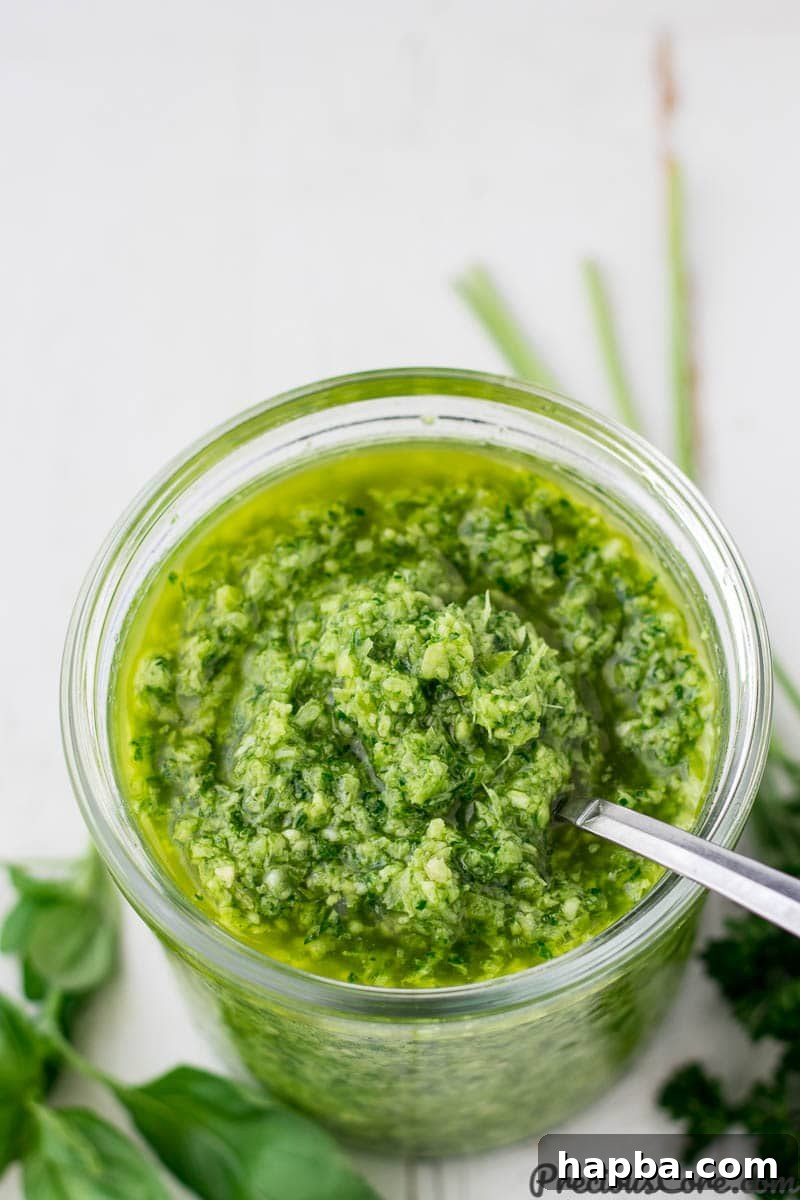
After sharing my Jamaican Jerk Seasoning recipe, celebrated for its authentic Caribbean zest, it became clear I had to introduce you to my cherished Green Seasoning. For years, this mixture has been the foundational seasoning in my kitchen, a testament to its incredible power to drastically improve the taste of any meal. It’s one of those essential recipes you’ll want to prepare in a large batch and keep readily available in your refrigerator, ensuring you’re always just a spoonful away from culinary excellence.
I rely on this traditional green seasoning for a wide array of culinary applications. It’s my go-to for seasoning meats before grilling, and it forms a crucial flavor base for my Bean Stew, authentic Jollof Rice, comforting Potato Hot Pot, and the classic Poulet DG, among many others. Keeping a generous jar of this vibrant green sauce in the fridge allows me to simply add a few tablespoons to my dishes as they cook, guaranteeing a consistent, delightful flavor profile across a multitude of recipes, making it a key ingredient in my cooking repertoire.
This glorious blend of fresh green herbs creates an unparalleled burst of flavor with minimal effort, requiring only a handful of readily available ingredients. The distinct combination of my favorite green herbs is what gives this seasoning its unique character and its strikingly vibrant color, making it as appealing to the eye as it is to the palate. Each herb plays a vital role in building a complex and satisfying taste that truly stands out.
You don’t need to hail from a Caribbean or Cameroonian household, like mine, to fully appreciate and enjoy the magic of this recipe. Its fresh ingredients and endless versatility make it a universally beloved condiment that transcends cultural boundaries. Many who have tried this particular rendition proclaim it to be the best green seasoning they’ve ever experienced, a testament to its exceptional taste and broad appeal. It’s a simple recipe with a profound impact, destined to become a staple in kitchens worldwide.
The Secret Behind Authentic Green Seasoning
In many of my recipes, you’ll notice the consistent inclusion of ingredients that form the backbone of this incredible green marinade. These essential components typically include fresh garlic, pungent ginger, aromatic parsley, crisp celery, and fragrant basil. In my home country of Cameroon, this trio of celery, parsley, and basil is affectionately known as “green spices.” We habitually grind them down to a paste and incorporate them into a vast array of meals, knowing they will profoundly enhance the overall taste and aroma, creating that signature depth of flavor.
While this Green Marinade might visually resemble Chimichurri – another herb-based sauce typically featuring parsley, oregano, garlic, olive oil, red pepper flakes, and vinegar – it’s crucial to understand that they are distinct. Despite their shared reliance on fresh herbs for their vibrant appearance and initial flavor, our traditional green seasoning offers a different, arguably superior, depth and complexity. It’s a flavor powerhouse designed not just as a condiment, but as an integral cooking base, infusing dishes from within rather than merely topping them.
This green seasoning packs an incredible punch of flavor into your everyday cooking, effortlessly transforming even simple dishes like grilled vegetables into gourmet experiences. It feels like a secret ingredient from a renowned chef that you’d normally purchase at a specialty store, promising an elevated dining experience. Yet, the beauty is, you become the gourmet chef, effortlessly whipping up this flavorful paste in your own kitchen in a matter of minutes. Its simplicity belies its profound impact on your culinary creations, making high-end flavors achievable with minimal fuss.
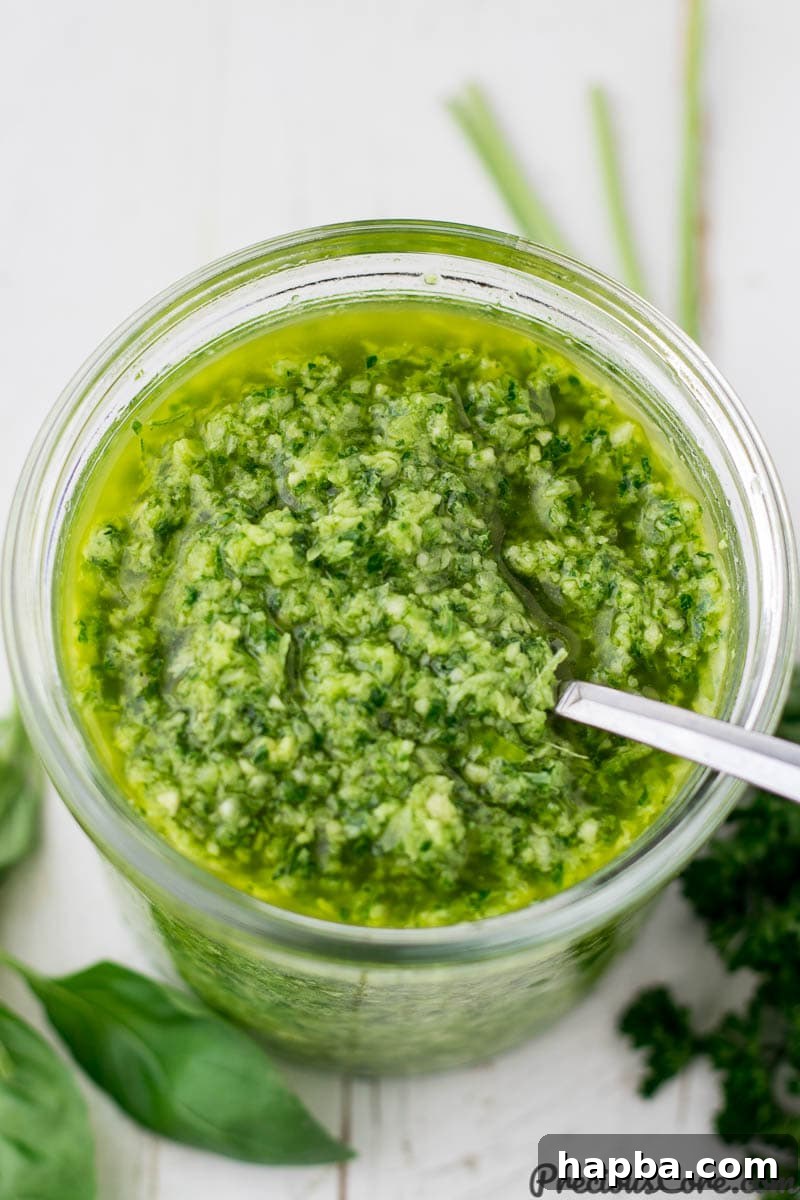
Endless Culinary Applications: How to Use Your Green Seasoning
The versatility of this green seasoning is truly remarkable, making it an indispensable component in any kitchen. Primarily, it excels as a marinade, tenderizing and infusing incredible flavor into grilled foods. Beyond marinating, you can gently simmer a portion of the seasoning with a touch of salt and pepper to create a quick, vibrant dipping sauce or a flavorful accompaniment for grilled meats, poultry, or fish, adding an extra layer of freshness.
Preparing a generous batch of this “green goodness” and storing it in your fridge ensures you always have a secret weapon ready to elevate your meals. It is perfectly suited for all cuts of chicken, whether you’re preparing succulent chicken legs, crispy chicken wings, juicy chicken thighs, or an entire roasted chicken. For beef lovers, it works wonders on sirloin steak, skirt steak, chuck roast, brisket, or any cut you plan to grill or roast, ensuring deep flavor penetration and tenderness. Pork benefits equally, transforming pork spare ribs, tender pork chops, or any other pork preparation into a flavorful feast. Don’t stop there; experiment with lamb, goat meat, and virtually any other protein – the possibilities are truly endless, limited only by your imagination.
Furthermore, this green seasoning is an absolute dream for seafood. Use it to season delicate salmon fillets, flaky halibut, rich seabass, vibrant red snapper, robust mackerel, or plump shrimp. Its fresh, herbaceous notes complement the natural flavors of seafood beautifully, enhancing rather than overpowering them, making every bite a delight.
This marinade is so incredibly versatile, and that’s precisely why I’m eager to share it with you. Your kitchen, and your palate, truly needs this green goodness. My sincere hope is that it simplifies and enriches your cooking experience, just as it has profoundly simplified and elevated mine, becoming a cornerstone of flavorful, homemade meals.
Essential Ingredients for the Best Green Seasoning
The magic of this seasoning lies in its foundation: a selection of the freshest herbs and aromatic vegetables, each contributing its unique profile to the symphony of flavors. Here’s a closer look at the key ingredients you’ll need to create this vibrant blend:
- Celery: Whether you opt for conventional celery stalks or the more intensely flavored Chinese celery with its leaves, this ingredient provides a crisp, subtly peppery backbone to the seasoning. Its fibrous texture also helps create a robust paste when blended, and it carries essential nutrients.
- Fresh Herbs: The core of the seasoning’s vibrant color and fresh flavor comes from herbs like bright, peppery parsley and sweet, aromatic basil. These not only contribute complex herbal notes but also lend their distinctive green hue, making the seasoning visually appealing and rich in antioxidants.
- Ginger Root: A crucial addition, fresh ginger root introduces a warm, spicy, and slightly peppery undertone that awakens the palate and adds a layer of exotic zest. Always peel it before chopping for the best texture and flavor, and to unlock its digestive benefits.
- Leeks: Offering a delicate, mild onion-like flavor, leeks contribute a subtle sweetness and aromatic depth without overpowering the fresh herbs. They blend seamlessly into the paste, providing a gentle allium base.
- Garlic: The undisputed king of aromatics, fresh garlic provides an essential umami kick that is pure joy for your taste buds! It’s a powerful flavor enhancer that ties all the other ingredients together, adding a pungent, savory depth and numerous health benefits.
- Oil: A high-quality oil, such as vegetable, canola, or a mild olive oil, serves multiple purposes. It helps achieve a smooth, emulsified paste during blending and, crucially, extends the shelf-life of your green seasoning when stored in the refrigerator by acting as a natural barrier against oxidation.
For precise measurements, please refer to the comprehensive recipe card provided further down, which details the exact quantities for each ingredient to ensure a perfectly balanced batch every time.
Explore Flavorful Green Seasoning Variations
Green Seasoning isn’t a single, rigid recipe; it’s a living culinary tradition with delightful variations across different regions, especially throughout the Caribbean islands and beyond. Each version reflects local tastes and available produce, offering a unique twist on the core concept of a fresh herb and aromatic paste. Let’s delve into some popular regional styles and their distinguishing features:
- Trinidadian Green Seasoning: To infuse your cooking with authentic Trini flair, consider adding Trinidadian pimento peppers (often known as pimiento peppers) for their distinctive aromatic, fruity heat that is milder than other chilies but highly flavorful. A splash of fresh lemon juice brightens the flavor, and bell peppers (red or green) add sweetness and body, contributing to a vibrant color. Some traditional Trinidadian green seasoning recipes also incorporate “big leaf thyme” for an earthy depth and fiery Scotch Bonnets (often green ones) for a truly vibrant kick and significant heat. This variation is robust and perfectly suited for the bold and complex flavors of Trini cuisine, which often features curries and rich stews.
- Puerto Rico-Style Green Seasoning (Recaito): Puerto Rican green seasoning, or Recaito, stands out as quite distinct from many other green seasoning recipes. Its signature flavor comes from ingredients like sweet seasoning peppers (aji dulce), an abundance of garlic, yellow onions, and culantro (also known by different names such as shadow beni, shado beni, or chadon beni), a herb similar to cilantro but with a stronger, more pungent aroma. Cilantro and other types of peppers are also common additions. While Recaito has its own unique profile, often forming the aromatic base for sofrito, you can certainly create a “fusion” version of our base recipe by incorporating some of these distinctive Puerto Rican ingredients to craft a truly personalized green cooking base that bridges culinary traditions.
- Jamaican-Style Green Seasoning: If you’re aiming to capture the essence of Jamaican cuisine, customize your green seasoning by adding ingredients such as fresh green onions (scallions), aromatic pimento berries or seeds (which provide the distinctive “jerk” flavor profile), the characteristic intense heat of Scotch Bonnet pepper, and a generous squeeze of lime juice for brightness. These additions, combined with our core ingredients, will perfectly align your seasoning with the vibrant, spicy, and complex flavors of Jamaican dishes, making it an ideal marinade for jerk chicken or fish.
- Haitian Epis: The Haitian version of green seasoning, known as Epis, shares several common ingredients with our recipe, including crisp celery, pungent garlic, fresh parsley, and a touch of oil. However, Epis typically includes additional ingredients such as fresh thyme for an herbaceous aroma, chopped bell peppers (often a mix of colors for complexity and visual appeal), and a touch of vinegar for acidity and brightness, which also acts as a preservative. Scallions are also frequently used in place of leeks, offering a slightly sharper, more pungent onion flavor. Each ingredient contributes to the unique character of Haitian Epis, making it an essential aromatic base for their rich culinary traditions, from griot to soups.
Ultimately, the beauty of homemade green seasoning lies in its adaptability. You are encouraged to create your own signature version, whether you prefer the intense heat of hot peppers like habaneros or Scotch bonnets for a fiery kick, or opt for milder bell peppers for a sweeter profile. You might also wish to introduce an acidic element such as apple cider vinegar for an extra tang and to further aid in tenderizing meats. Ingredients like Spanish thyme, sawtooth herb, scallions, and various other seasonings can be added based on your personal taste and culinary adventure. Don’t hesitate to experiment and craft a green seasoning that perfectly suits your preferences! A helpful hint: if you’re looking for unique herbs like culantro or specific hot peppers, your local Asian or international markets are often the best places to find these specialty ingredients, sometimes more easily than conventional grocery stores.
Smart Ingredient Substitutions
While the original recipe offers a perfectly balanced flavor profile, sometimes you might find yourself needing to make a substitution due to availability or personal preference. Here are a few smart swaps to consider without compromising too much on flavor:
- Herbs: If you find yourself short on one of the specific herbs listed, try to replace it with another herb that has a similar flavor profile. For instance, if fresh basil is unavailable, another herb from the mint family might offer a comparable aromatic quality. Alternatively, if leeks are hard to come by, green onions (scallions) make an excellent substitute, providing a similar delicate onion-like flavor with a slightly sharper edge that works beautifully in the blend.
- Garlic: Fresh garlic is paramount for the rich, authentic, and pungent flavor of this green seasoning. While garlic powder can technically be used in a pinch, I strongly advise against it unless it’s your absolute last resort. Powdered garlic simply cannot replicate the vibrant, complex flavor and fresh texture that raw garlic brings to the blend, and the overall taste will be noticeably different and less robust.
Crafting Your Green Seasoning: A Simple How-To Guide
Making this incredible green seasoning is surprisingly straightforward and takes only minutes from start to finish. Follow these simple, easy-to-understand steps to create your flavorful, aromatic paste:
- Begin by thoroughly washing all your fresh produce under cold running water. It’s important to remove any dirt or impurities. Roughly chop the celery, parsley, basil, and ginger root. The beauty of using a blender or food processor for this recipe is that precise, fine chopping isn’t necessary; rough cuts are perfectly sufficient.
- Place all the chopped ingredients – celery, parsley, basil, ginger root, the peeled garlic bulbs, and the leek (or green onions if substituting) – into the container of your blender or food processor. Carefully add the specified amount of oil. The oil is crucial not only for blending but also for preserving the freshness of your seasoning.
- Secure the lid on your appliance and blend the mixture until it forms a smooth, vibrant green paste. Depending on your blender’s power and the initial chop size, you might need to stop, scrape down the sides with a spatula, and then continue blending a few times to ensure everything is thoroughly combined and no large pieces remain. The goal is a consistent, pesto-like texture.
- Once blended to perfection, carefully transfer the green seasoning into a clean glass jar or a mason jar with a tight-fitting lid. This airtight storage is essential for maintaining its freshness and potency. Store it in the refrigerator, where it will remain fresh and ready to enhance your daily cooking for up to two weeks.
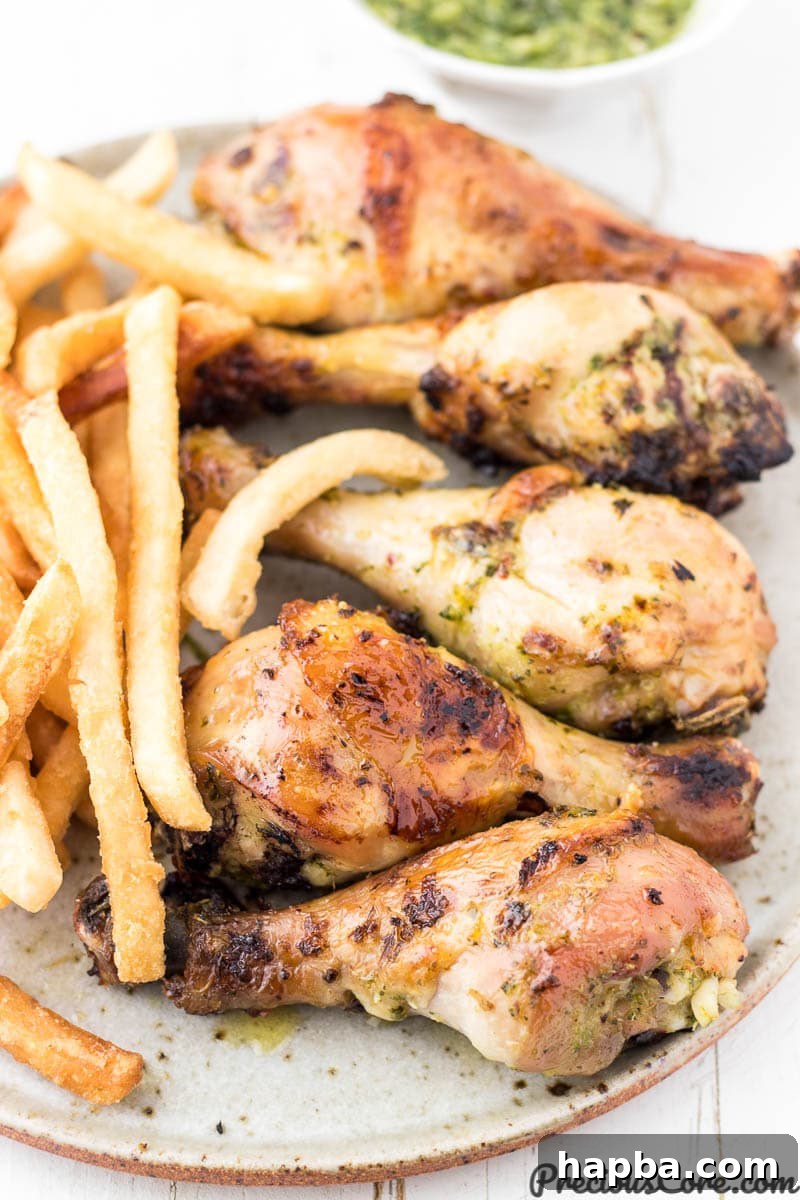
Grilling Perfection: Chicken with Green Marinade
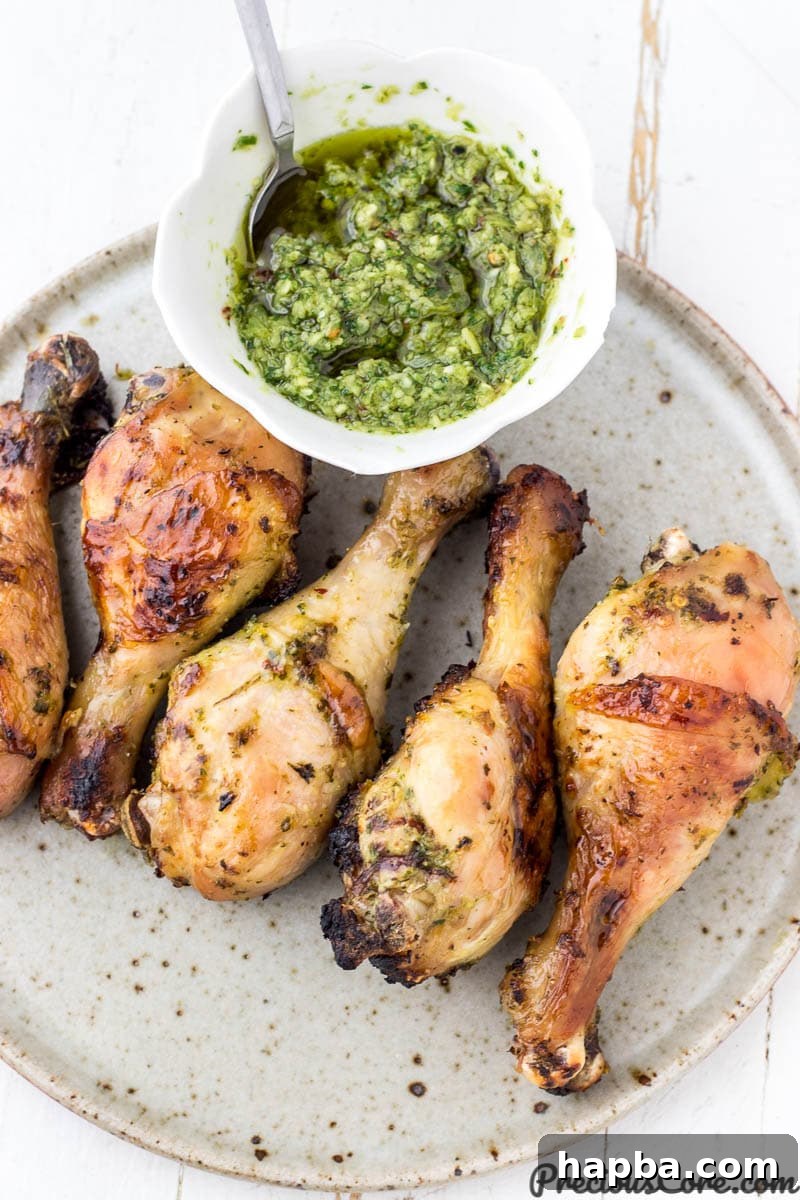
Transform ordinary chicken into an extraordinary meal using this dynamic green marinade. Follow these steps for perfectly grilled, flavorful chicken that’s tender, juicy, and bursting with herbaceous notes:
- Start with 5 pounds of your preferred chicken cuts (e.g., thighs, drumsticks, wings). Rinse the chicken thoroughly under cold water to ensure cleanliness, then pat it completely dry with paper towels. This step is crucial for achieving crispy skin and allowing the marinade to adhere effectively, creating a delicious crust.
- In a large mixing bowl, add approximately 1 cup of your homemade green seasoning to the chicken pieces. Ensure all parts of the chicken are accessible for coating.
- Season the chicken further with two teaspoons of chicken bouillon powder (or finely ground powder from bouillon cubes) and one teaspoon of salt. These additions enhance the savory depth of the marinade.
- For a touch of subtle heat and aroma, add a quarter teaspoon of ground white pepper and a quarter teaspoon of red pepper flakes. Adjust the red pepper flakes to your preferred level of spice – add more for a hotter kick, or omit for a milder flavor.
- Using clean hands, thoroughly rub all the ingredients over every piece of chicken, ensuring each part is generously coated with the flavorful marinade. Don’t be shy; get into all the nooks and crannies to maximize flavor infusion.
- Once marinated, cover the bowl tightly with plastic wrap and refrigerate for at least 30 minutes. For the deepest flavor penetration and best results, allow the chicken to marinate for up to 24 hours. The longer the marinating time, the more intense and complex the taste will be. If you’re short on time, you can grill immediately, but marinating significantly enhances the end result.
- For oven grilling (broil method): Preheat your oven broiler. Line a large baking sheet with foil paper and grease it lightly to prevent sticking and make cleanup easier. Arrange the marinated chicken pieces in a single layer on the prepared baking sheet, ensuring they are not overcrowded for even cooking and proper browning. Broil in the oven for about 40 minutes, flipping the chicken halfway through, until it is cooked through and reaches an internal temperature of 165 degrees Fahrenheit (75 degrees Celsius). The skin should be beautifully browned and crispy.
- For outdoor grilling: Preheat your outdoor grill to medium-high heat. Once hot, place the chicken pieces directly on the clean grill grates. Cook for approximately 40 minutes, rotating the chicken every 10-15 minutes to ensure even cooking and to prevent burning. As the chicken cooks, you can baste it with any leftover marinade (ensure it’s boiled first if it came into contact with raw chicken to kill bacteria) to keep it moist and add extra layers of flavor, continuing until it reaches an internal temperature of 165 degrees Fahrenheit (75 degrees Celsius).
Expert Tips for Your Best Green Seasoning
Achieving the perfect green seasoning and utilizing it effectively involves a few key insights and smart practices. These tips will help you maximize flavor, extend shelf life, and make the most of this versatile condiment:
- Oil vs. Water for Blending: If you’re looking to reduce oil content, you can substitute some or all of the oil with water during blending. However, be aware that oil is a natural preservative and contributes significantly to the seasoning’s richness, texture, and shelf life. A water-based seasoning will have a slightly lighter flavor and a much shorter refrigeration period – typically only a couple of days. When blending, ensure you use enough liquid (whether oil or water) to allow your blender or food processor to create a smooth paste without overworking the machine.
- Long-Term Storage: Freezing: For extended freshness, freezing your green seasoning is an excellent option that provides convenience and preserves flavor. For this method, it’s advisable to use a little water instead of oil for blending, as oil doesn’t thaw as gracefully and can separate, affecting the texture. Pour the blended seasoning into ice cube trays and freeze until solid. Once frozen, transfer the seasoning cubes to freezer bags or airtight containers. Stored this way, your green seasoning will remain fresh and flavorful for up to 6 months, allowing you to have pre-portioned bursts of flavor on demand for quick meal prep.
- Chopping Simplicity: There’s absolutely no need for meticulous fine chopping of your ingredients before blending. A rough chop is perfectly sufficient, as your powerful blender or food processor will do all the heavy lifting to create a smooth, consistent paste. This saves valuable time and makes the preparation process even quicker and more enjoyable.
- Marinade Ratios: A good rule of thumb for marinating is to use approximately 2-3 tablespoons of green seasoning for every pound of meat. This equates to roughly 1 cup of seasoning for every 5 pounds of chicken, beef, or other proteins, ensuring thorough flavor infusion without being overwhelming. Always adjust these ratios based on your personal taste preferences and the intensity of flavor you desire.
Creative Uses for Your Green Seasoning Recipe
Beyond traditional marinades, this green seasoning offers a spectrum of culinary possibilities that can elevate almost any dish. Its fresh and complex flavors make it incredibly versatile:
- Marinate All Proteins: This seasoning is ideal for deeply flavoring and tenderizing chicken, fish, beef, pork, lamb, goat, and even plant-based proteins like tofu or tempeh. Its complex flavors deeply penetrate and transform.
- Vibrant Dipping Sauce: Simply simmer a few tablespoons of the seasoning with a pinch of salt and pepper, perhaps a squeeze of lime juice or a touch of honey, for a quick and flavorful dipping sauce perfect for grilled meats, roasted vegetables, or crispy appetizers.
- Flavor Base for Stews, Soups, and Rice Dishes: Stir a spoonful or two into your pot as you cook to build incredible depth of flavor. It’s a game-changer for hearty bean stews, nourishing lentil soups, and any rice pilaf or jollof, infusing them with an aromatic foundation.
- Elevate Roasted Vegetables: Toss chopped vegetables like potatoes, carrots, bell peppers, broccoli, or zucchini with green seasoning and a drizzle of olive oil before roasting. The result is an aromatic, savory side dish that’s far from bland.
- Enhance Breakfast Items: A small amount stirred into scrambled eggs, an omelet, or even mixed into breakfast potatoes adds a fresh, herbaceous twist to your morning meal, starting your day with a burst of flavor.
- Quick Dressings and Dips: Whisk green seasoning with olive oil and vinegar for a zesty, homemade salad dressing. Alternatively, mix it with yogurt, sour cream, or mayonnaise for a creamy, flavorful dip for raw vegetables, chips, or sandwiches.
- Compound Butter: Blend a few tablespoons of green seasoning into softened unsalted butter, then chill until firm. This compound butter can be used to finish grilled steaks, spread on warm crusty bread, or melted over steamed vegetables for an instant flavor boost.
Recommended Kitchen Equipment
To make your green seasoning effortlessly and store it effectively, a few key pieces of kitchen equipment are highly recommended. These tools will ensure a smooth preparation process and proper preservation of your flavorful blend:
- Blender or Food Processor: A powerful blender or food processor is absolutely essential for achieving a smooth, consistent paste without leaving large chunks of herbs or aromatics. My Ninja BL660 blender is a professional-grade appliance that I highly recommend for its efficiency and moderate price, and it’s what I personally use for blending this seasoning to perfection.
- Airtight Jars for Storing: Proper storage is key to maintaining the freshness, vibrancy, and potency of your green seasoning. I find this set of jars to be excellent; their reliable airtight seal ensures the marinade stays fresh and flavorful for longer periods in the refrigerator, preventing oxidation and loss of aroma.

For a visual guide to making this green seasoning and preparing perfectly grilled chicken with the marinade, you can watch the full process on my YouTube channel. If you haven’t already, please SUBSCRIBE HERE and click the notification bell so you don’t miss any of my upcoming cooking videos and delicious recipes.
Watch the Green Seasoning Recipe & Grilled Chicken Tutorial
Similar Flavorful Recipes You’ll Love
JAMAICAN JERK SEASONING
Best Seasoning For French Fries
African Pepper Sauce
If you try this incredible green seasoning recipe, please take a moment to leave a star rating below. Your feedback helps other home cooks discover this amazing recipe, and I always love hearing about your culinary creations! Thank you!
Green Seasoning Recipe
★
★
★
☆
10
10
5
cups
Rate
Print Recipe
Equipment
-
Blender or Food Processor
Ingredients
-
4
celery stalks
(or 6 full stems if using celery with leaves/Chinese Celery) -
2
cups
chopped fresh basil -
2
cups
chopped parsley -
2
inches
ginger root
(peeled and chopped) -
2
bulbs
garlic – peeled -
1
leek
(substitute with 4 green onions if needed) -
2
cups
oil
(See Note 1 for oil vs. water blending)
Instructions
-
Thoroughly wash all produce. Roughly chop the celery and leek, then add them to a blender or food processor.
-
Add the parsley, basil, peeled garlic, ginger root, and oil to the blender with the celery and leek.
-
Blend all ingredients until a smooth, vibrant green paste forms. Scrape down the sides of the blender as needed to ensure even consistency.
-
Pour the finished green seasoning mixture into a clean glass jar or mason jar with a tight-fitting lid. Store in the refrigerator for up to two weeks.
Notes
2. Feel free to customize! Add onions, thyme, cilantro, or a touch of heat with habaneros or Scotch bonnet peppers. Start with one hot pepper to avoid overpowering the other flavors.
3. As a general guideline, use about 1 cup of this green marinade for every 5 pounds of chicken or beef. Adjust to your taste preferences.
Nutrition Information (Approximate)
Serving: 1tablespoon
|
Calories: 51kcal
|
Carbohydrates: 0.3g
|
Protein: 0.1g
|
Fat: 6g
|
Saturated Fat: 0.4g
|
Polyunsaturated Fat: 2g
|
Monounsaturated Fat: 4g
|
Trans Fat: 0.02g
|
Sodium: 1mg
|
Potassium: 13mg
|
Fiber: 0.1g
|
Sugar: 0.1g
|
Vitamin A: 177IU
|
Vitamin C: 2mg
|
Calcium: 4mg
|
Iron: 0.1mg
Additional Information
Tried this recipe?Mention @preciouscore or tag #PreciousCore!