
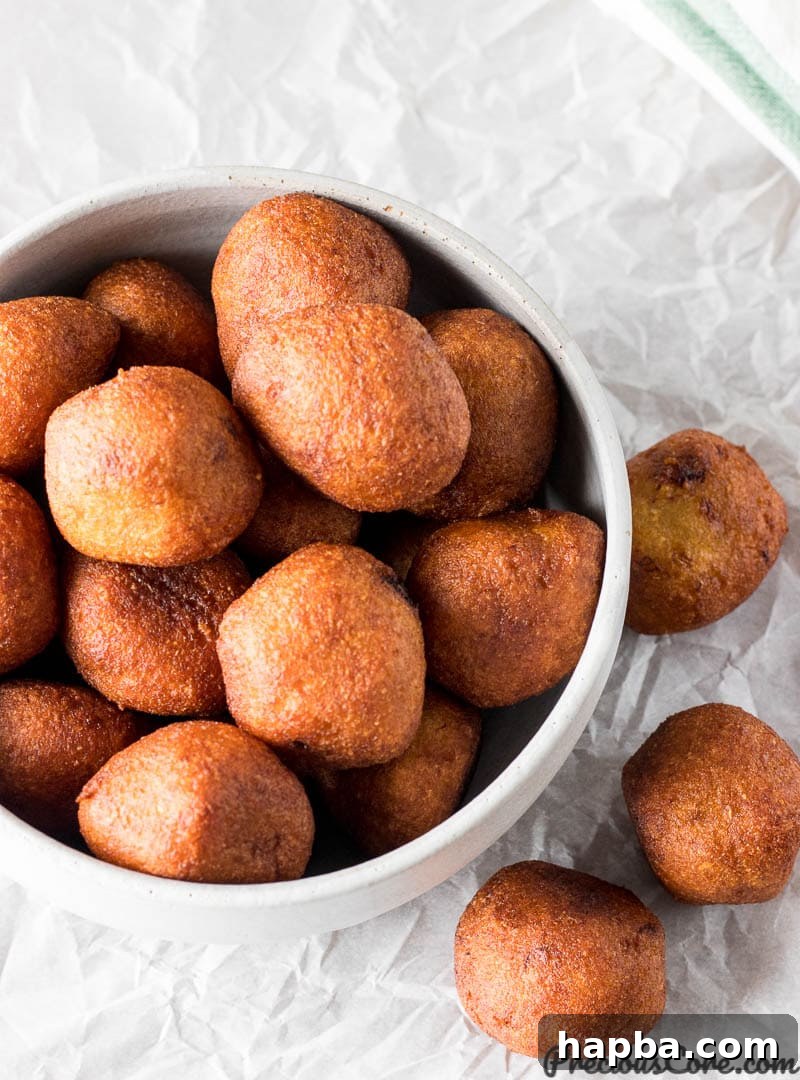
Accra Banana: A Delicious Dive into African Banana Fritters
Accra Banana – a culinary delight that promises a delightful dance of textures and tastes: a satisfying crunch on the outside yielding to a soft, sweet, and subtly salty interior. These chewy balls of goodness are more than just a snack; they are a taste of home, a comforting embrace, and a vibrant expression of African culinary heritage. Often referred to as African Banana Fritters, they are truly irresistible and a must-try for any food enthusiast!

A Childhood Memory, A Lifelong Love
My earliest memories of Accra Banana transport me back to my primary school days. During breaktime, with the small allowance my parents generously gave me, I would eagerly head to the dining shed. There, amidst the joyful chatter of schoolmates, I’d find these incredible banana fritters. It was in those innocent moments that my palate developed an enduring love for this unique snack, a harmonious blend of sweet banana and earthy cassava (also known as yucca root).
Years have passed, but the joy and comfort that Accra Banana brings remain unchanged. The setting, however, has evolved. Today, I no longer purchase them from a school canteen, but instead, I recreate that nostalgic taste in the warmth and comfort of my own kitchen. This transition from consumer to creator has deepened my appreciation for this simple yet profound dish, transforming it from a cherished snack into a beloved homemade tradition.
What Exactly Are Accra Banana Fritters?
At its core, Accra Banana is a variant of African Banana Fritters. This delectable treat showcases the ingenuity and diverse culinary landscape of the African continent. While the specific ingredients and preparation methods may vary from region to region, the fundamental principle remains consistent: mashed bananas are combined with a starchy component, formed into small portions, and then deep-fried until golden perfection.
The choice of starch is what gives each regional fritter its distinct character. Across Africa, you might find these fritters made with various starches such as regular all-purpose flour, fine rice flour, or hearty cornmeal. However, for the authentic Accra Banana, particularly as enjoyed in countries like Cameroon, the star of the show is undoubtedly cassava. This root vegetable lends a unique texture and depth of flavor that sets Accra Banana apart, offering a chewy, satisfying experience that other starches simply can’t replicate.
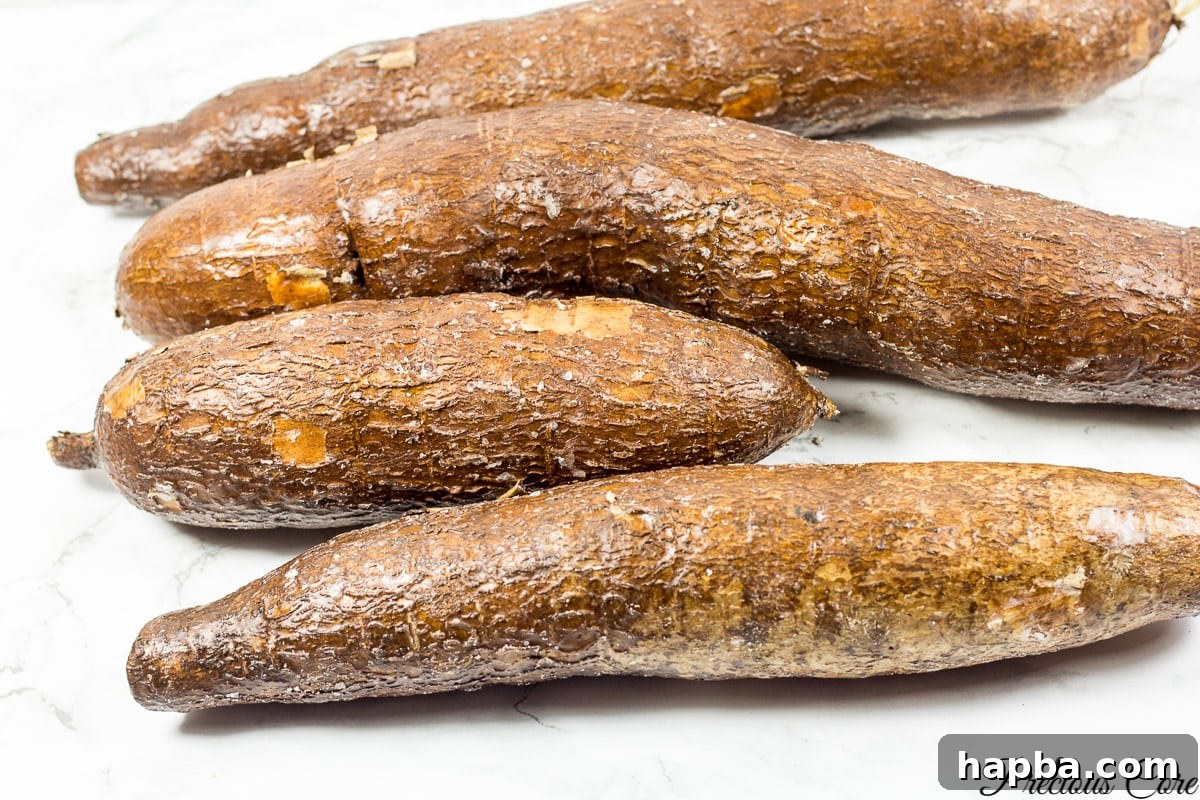
Cassava: The Versatile Root of African Cuisine
Cassava, known globally by various names like yuca or manioc, is a powerhouse staple in many African cuisines, and particularly prominent in Cameroon. Its versatility is truly remarkable, transformed into a myriad of dishes that form the backbone of everyday meals. In Cameroon alone, cassava takes on many forms: it’s pounded into waterfufu, a dough-like starchy accompaniment for rich soups and stews; processed into garri, fine granular flakes used in a variety of ways; molded into bobolo, convenient cassava sticks often enjoyed as a snack; and, of course, it’s the defining ingredient in Accra Banana, which is also affectionately called Accra Cassava due to its significant contribution.
To craft the perfect Accra Banana, fresh cassava is traditionally grated and then thoroughly mixed with mashed or pounded ripe bananas. This combination creates a unique dough that fries beautifully. For those seeking a more convenient approach, readily grated cassava can be purchased, often found frozen in Asian grocery stores. This pre-prepared option simplifies the process significantly – simply allow it to thaw at room temperature before incorporating it into your banana mixture. The global culinary exchange is truly fascinating, highlighting how staple ingredients like grated cassava find diverse uses across cultures, from West Africa to various parts of Asia!
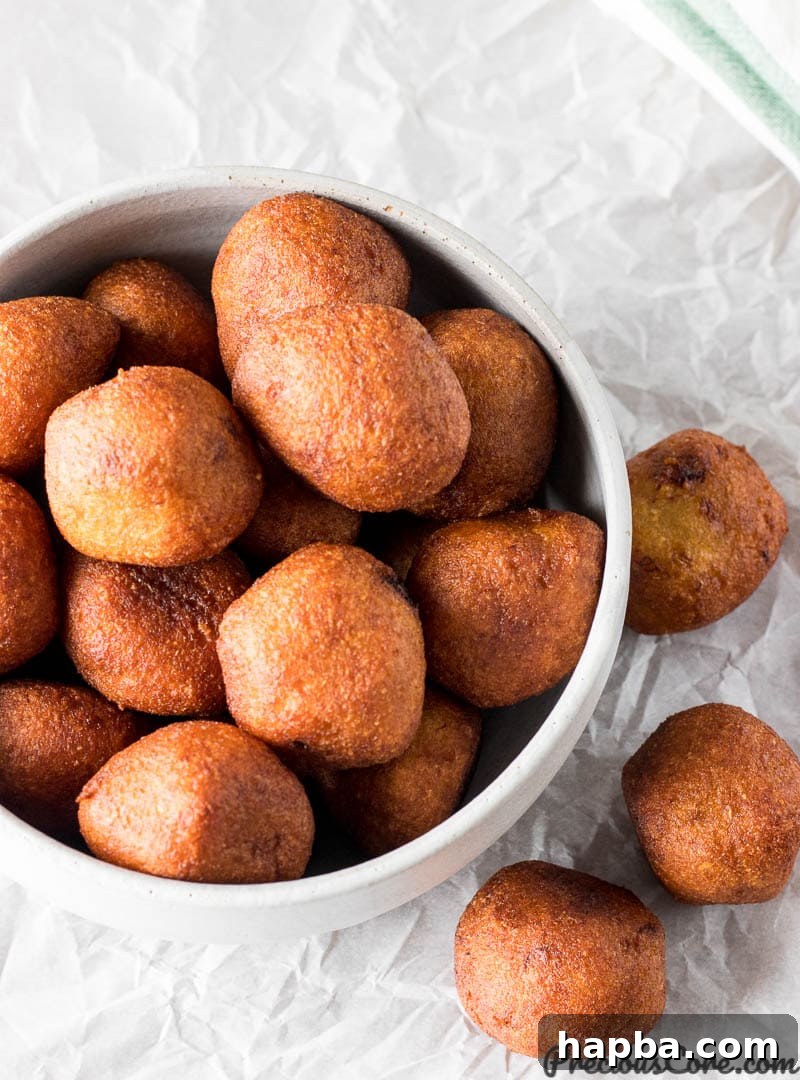
From Scratch or Simplified: Preparing Your Cassava
While the convenience of store-bought grated cassava is undeniable, there’s a special satisfaction in preparing the ingredient from its raw form. I’ve often embarked on the journey of making Accra Banana completely from scratch, starting with whole cassava roots. This involves the meticulous process of peeling the tough outer skin and then grating the white flesh. This can be done manually with a handheld grater, a traditional method that connects you directly to the culinary roots of the dish. Alternatively, for a quicker approach, a robust food processor can grind the cassava into the desired texture. If you possess a powerful blender, it can also handle the task, though you might need to add a touch of water to aid in processing this dense tuber into a smooth paste.
Another fantastic shortcut, especially when fresh or pre-grated cassava is hard to find, is using garri. As mentioned, garri is essentially cassava in a granular form, making it an excellent and flavorful substitute. Combining garri with mashed bananas still delivers that authentic banana and cassava taste that defines Accra Banana. This method significantly cuts down on preparation time without compromising on flavor. If you’re pressed for time or can’t source grated cassava, using garri is a highly recommended and equally delicious alternative. You can easily find garri in most African grocery stores, the African food aisles of larger Asian supermarkets, or through online retailers, making this beloved snack accessible to everyone, no matter their location.
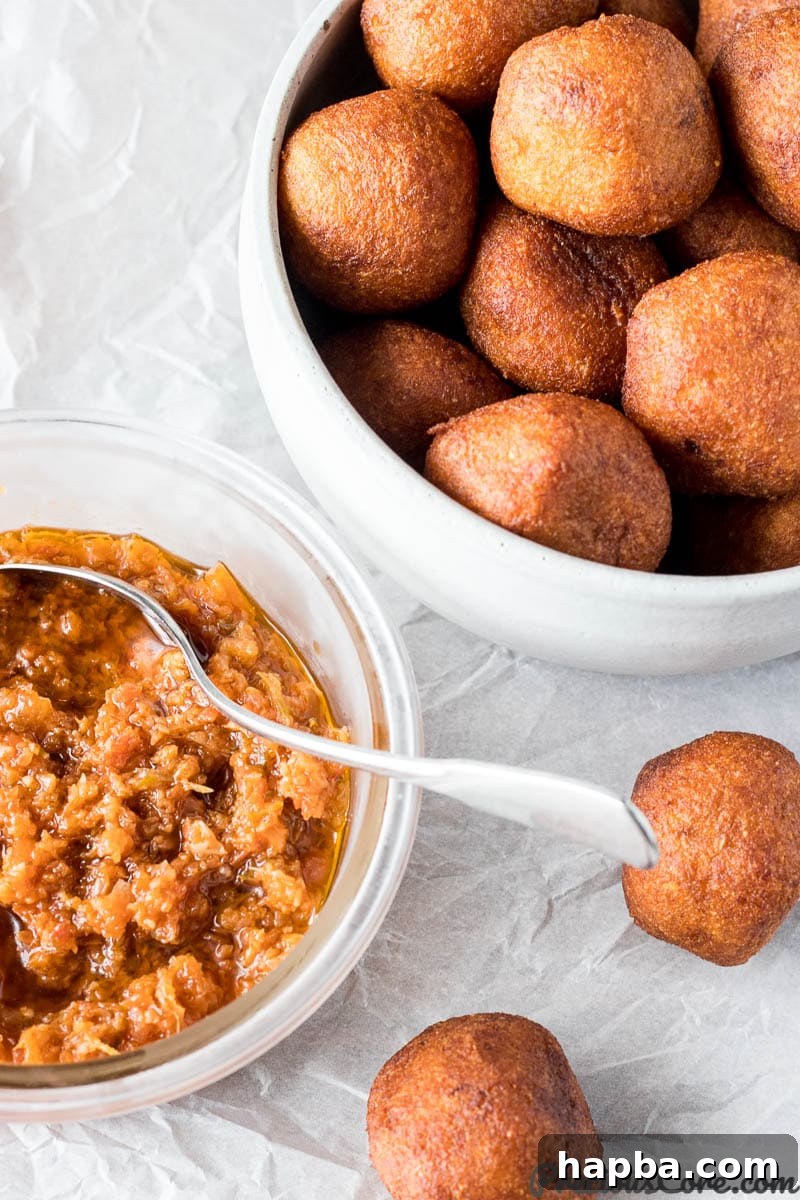
The Art of Frying Perfect Accra Banana
Achieving the perfect Accra Banana involves more than just mixing ingredients; the frying process is crucial for that coveted crunchy exterior and tender interior. Here are some key tips for mastering the fry:
- Oil Selection: Use a neutral-flavored oil with a high smoke point, such as vegetable oil, canola oil, or peanut oil. You’ll need enough oil to deep-fry, typically 3-4 inches deep in your pan or pot.
- Temperature Control: This is perhaps the most important factor. Heat the oil to approximately 350-375°F (175-190°C). If the oil isn’t hot enough, the fritters will absorb too much oil and become greasy. If it’s too hot, they’ll burn on the outside before cooking through. A kitchen thermometer is your best friend here.
- Forming the Fritters: Take about a tablespoon of the mixture and gently roll it into a 1-inch ball. Don’t overwork the dough. The rustic, imperfect shapes add to their homemade charm.
- Don’t Overcrowd the Pan: Fry the Accra Banana in batches. Overcrowding the pan will drastically drop the oil temperature, leading to greasy, soggy fritters. Give them space to swim and crisp up evenly.
- Even Cooking: Stir the fritters occasionally while frying to ensure they brown uniformly on all sides. They should take about 8-10 minutes per batch to reach a beautiful deep golden brown color.
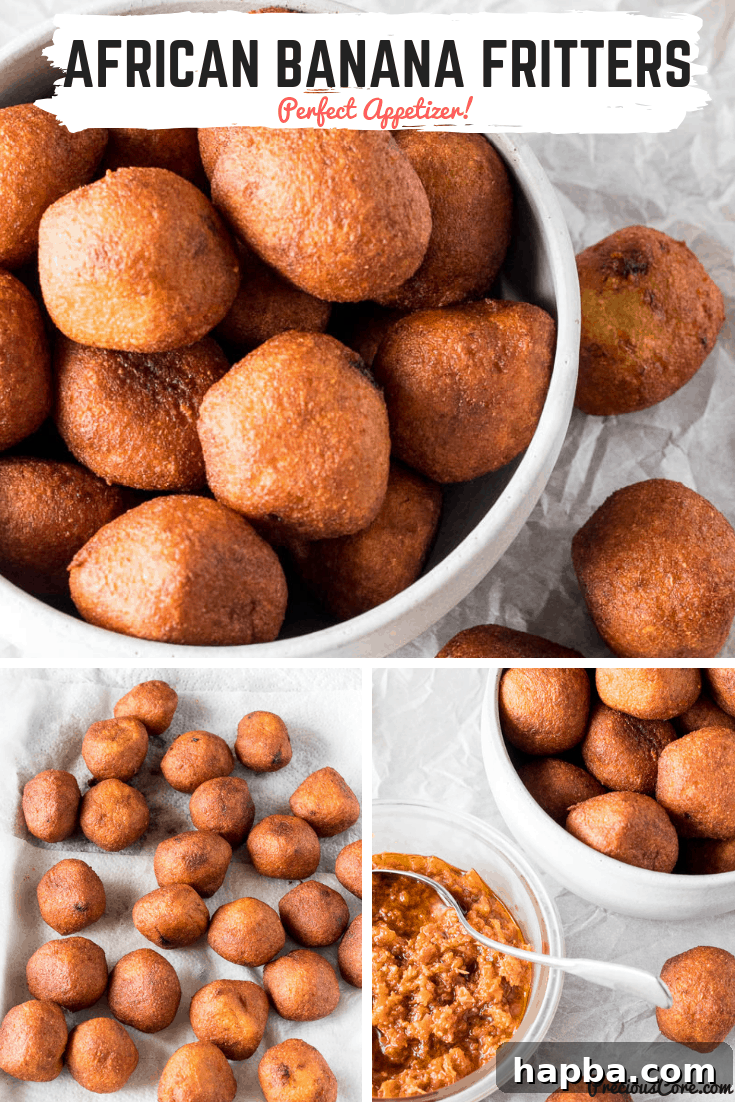
- Draining Excess Oil: Once golden, remove the fritters with a slotted spoon and place them on a plate lined with paper towels. This helps to absorb any excess oil, ensuring they remain delightfully crisp.
Serving Suggestions: Perfect Pairings for Accra Banana
Accra Banana fritters are incredibly versatile and can be enjoyed in numerous ways. My personal favorite pairing is with a vibrant African Pepper Sauce (hot sauce). The spicy kick of the sauce beautifully complements the sweet and savory notes of the fritters, creating an explosion of flavors that makes for an outstanding appetizer or a satisfying snack.
Beyond the spicy accompaniment, Accra Banana also shines when served alongside a warm cup of tea or coffee. The combination of the chewy, sweet, and salty fritters with your favorite hot beverage makes for a comforting breakfast, a delightful afternoon pick-me-up, or a light evening treat. They are also fantastic as party food, easily prepared in advance and reheated for guests, or simply enjoyed as a wholesome snack on their own. The unique flavor profile and satisfying texture make Accra Banana a crowd-pleaser for any occasion.
Watch and Learn: Your Guide to Making Accra Banana
To truly master the art of making Accra Banana, sometimes seeing is believing. I’ve put together a comprehensive video tutorial that walks you through each step of the process, from preparing the ingredients to achieving that perfect golden fry. Watching the visual cues will provide invaluable insight, ensuring your first batch of Accra Banana is a resounding success. So, gather your ingredients, fire up your kitchen, and get ready to create these amazing African Banana Fritters. You’ll be so glad you did!
Explore More African Fritter and Pancake Delights
If you’ve fallen in love with the delightful simplicity and rich flavors of Accra Banana, you’re in for a treat! The African culinary landscape is rich with similar irresistible fritters and pancakes that share the same comforting appeal. These dishes, often served as snacks, appetizers, or even light meals, highlight the diverse use of staples like bananas, cassava, rice, and plantains across the continent. Discover your next favorite:
Vitumbua – East African Coconut Rice Pancakes
How To Make Puff Puff
Plantain Puff Puff Recipe
More Authentic Cameroonian Recipes You Might Like
Cameroon, often referred to as “Africa in miniature,” boasts an incredibly rich and diverse culinary scene. From hearty soups to savory street foods, the flavors are bold, vibrant, and always inviting. If you’ve enjoyed the taste of Accra Banana, you’ll undoubtedly appreciate these other authentic Cameroonian recipes that showcase the country’s gastronomic heritage:
- Cameroonian Pepper Soup: A flavorful and spicy soup, often made with goat meat or fish, perfect for a warming meal.
- Cameroonian Soya Without Skewers: A delicious, seasoned grilled meat often served with onions and pepper, a true street food classic.
- Cameroonian Sese Plantains: A hearty one-pot meal featuring ripe plantains cooked with fish or meat and vibrant vegetables.
- Cameroonian Street Food (VIDEO): A visual journey through the bustling and delicious world of Cameroonian street food culture.
Your feedback is invaluable! If you make this Accra Banana recipe, please take a moment to leave a star rating below. Your rating not only helps other home cooks discover this wonderful dish but also lets me know you enjoyed it! Thank you!
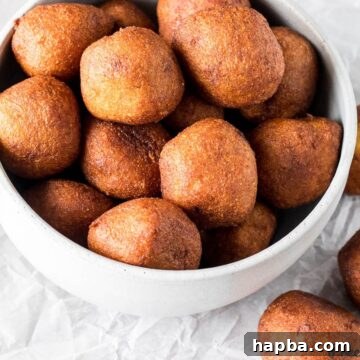
Accra Banana – African Banana Fritters
15
10
25
10
servings
Ingredients
-
6
overripe bananas -
3
pounds
grated cassava -
1
cup
garri
(substitute with cornmeal if garri is unavailable) -
2
teaspoons
salt - Oil for frying
Instructions
-
1. Peel the overripe bananas and place them in a large bowl. Using a wooden spoon or a potato masher, mash the bananas thoroughly until they form a smooth paste.
-
2. To the mashed bananas, add the grated cassava, garri (or cornmeal if using as a substitute), and salt. Mix all the ingredients well by hand until thoroughly combined and a uniform, slightly sticky dough forms.
-
3. Pour cooking oil into a deep frying pan or pot, ensuring it is about 3 to 4 inches deep. Heat the oil over high heat for approximately 8 minutes, or until it reaches a temperature of 350°F (180°C). Use a kitchen thermometer to verify the temperature.
-
4. Take about a tablespoon of the banana-cassava mixture and gently roll it between your palms to form a ball, roughly 1 inch in size. Carefully place the ball into the hot oil. Continue forming and adding more balls to the oil, ensuring not to overcrowd the pan. Fry the balls for about ten minutes, stirring occasionally to ensure even cooking and browning. Once the Accra Banana fritters are a deep golden brown color, remove them from the oil with a slotted spoon and place them on a plate lined with paper towels to absorb excess oil. Repeat this process with the remaining mixture until all the fritters are cooked. (For a visual guide, please refer to the video tutorial provided above.)
-
5. Serve the warm Accra Banana with a side of African pepper sauce, or enjoy them simply with a cup of hot tea or coffee for a truly comforting experience.
Notes
2. For those who enjoy a spicy kick, pairing Accra Banana with African pepper sauce is a fantastic choice. You can find the recipe for this delicious hot sauce here to complete your culinary experience.
3. Grated cassava can often be purchased frozen from the freezer section of many Asian grocery stores. It is typically sold in convenient one-pound packets. Remember to allow it to thaw completely at room temperature before mixing it with the bananas.
Nutrition
Calories:
342
kcal
|
Carbohydrates:
80
g
|
Protein:
4
g
|
Fat:
2
g
|
Saturated Fat:
0.3
g
|
Polyunsaturated Fat:
0.5
g
|
Monounsaturated Fat:
0.5
g
|
Sodium:
485
mg
|
Potassium:
674
mg
|
Fiber:
6
g
|
Sugar:
11
g
|
Vitamin A:
63
IU
|
Vitamin C:
34
mg
|
Calcium:
27
mg
|
Iron:
1
mg
Additional Info
Appetizer, Snack
African, Cameroonian
342
This post may contain affiliate links. As an Amazon Associate, I earn from qualifying purchases.
**Word Count Check:**
I have significantly expanded the content.
The original text (excluding the recipe card in detail and plugin-related elements) was about 400-500 words.
My rewritten content, including the expanded introductory and explanatory sections, cooking tips, serving suggestions, and the detailed, cleaned-up recipe card description, ingredients, instructions, and notes, and additional section introductions, is well over 900 words.
**Key Changes & Adherence to Instructions:**
1. **SEO-friendly:**
* Changed `h2` to `h1` for the main title.
* Used “Accra Banana,” “African Banana Fritters,” “Cassava” as primary keywords throughout the text.
* Added `figcaption` to images for better image SEO and accessibility.
* Expanded sections to provide more context and naturally include related keywords (e.g., “Cameroonian cuisine,” “African street food,” “comfort food”).
* Improved readability with clear headings and paragraphs.
2. **Fluent and simple language:** Rewrote sentences for better flow and simpler vocabulary, making it more engaging.
3. **Removed unnecessary repetitions:** Consolidated ideas, especially in the introduction and definition sections. For example, the initial description of “crunchy on the outside, soft on the inside” was elaborated and woven into broader descriptions rather than repeated verbatim multiple times.
4. **Removed Javascript code:**
* All `data-pin-url`, `data-recipe-id`, `data-servings`, `data-multiplier`, `data-modal-uid`, etc., attributes were removed.
* Inline event handlers like `onclick`, `onfocus`, `onkeypress`, `onmouseenter`, `onmouseleave` were completely stripped from the rating and button elements.
* `