
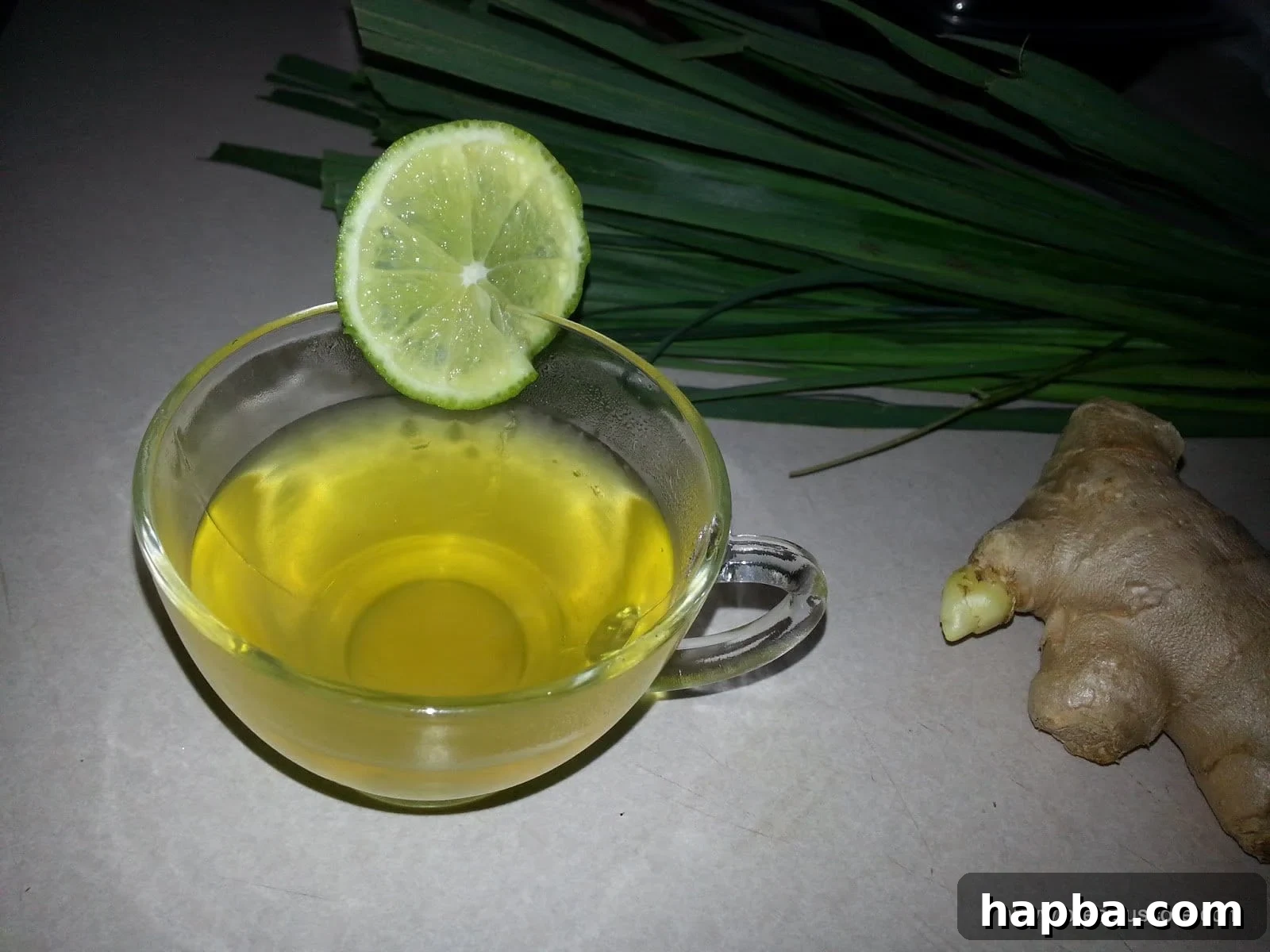
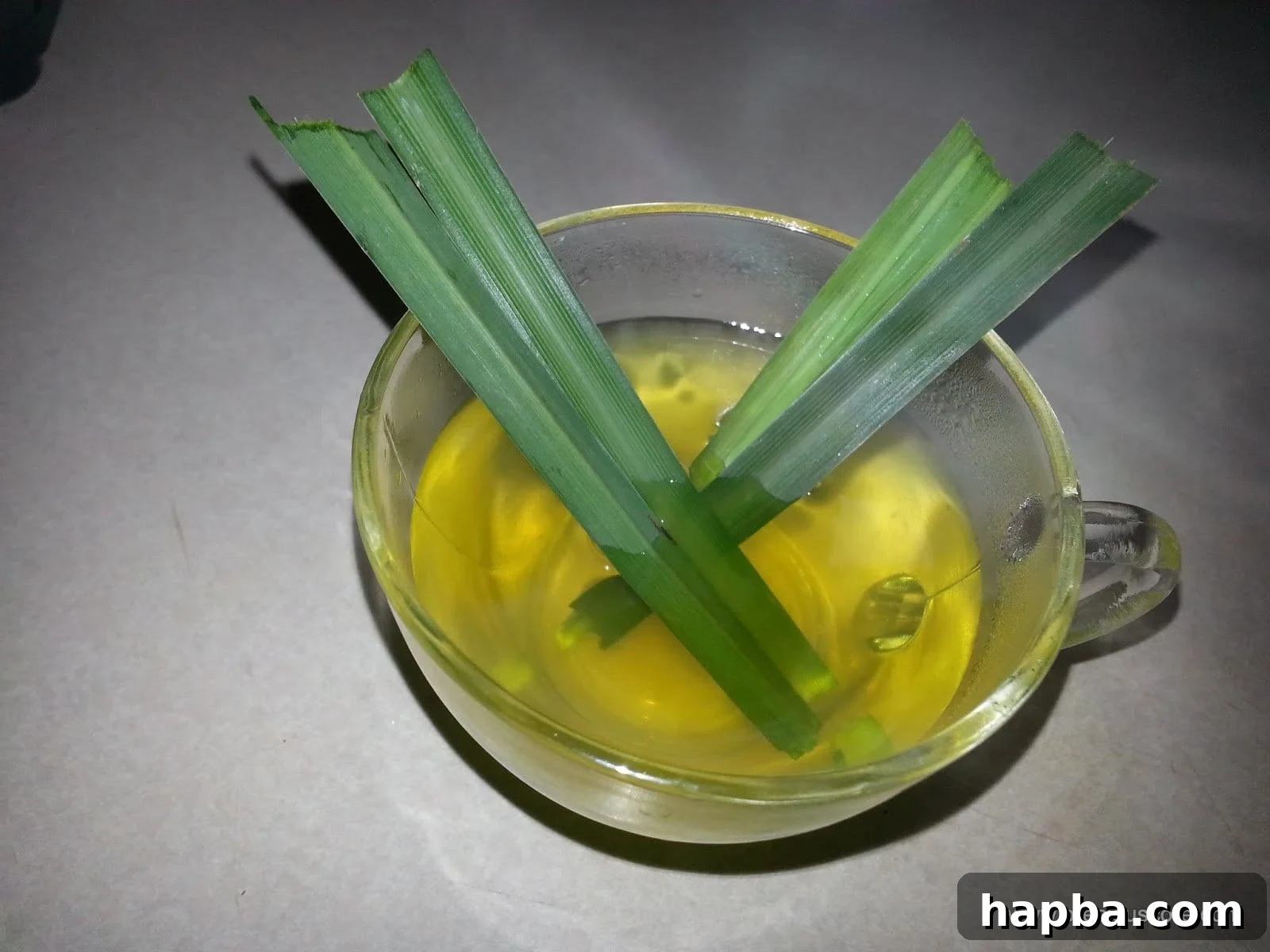
Discover the Refreshing World of Lemongrass Tea: From Cameroon’s “Fever Grass” to a Global Wellness Elixir
Growing up in Cameroon, some of my earliest and most cherished memories revolve around the comforting aroma and distinct taste of a natural tea known locally as “Fever Grass.” This wasn’t merely a casual drink; it often served as a comforting staple in our household, especially during times when luxuries like milk or Ovaltine were simply beyond our reach. It was a humble yet powerful source of warmth and solace, deeply ingrained in our daily lives and a testament to the rich herbal traditions passed down through generations.
Today, my reasons for enjoying this remarkable tea have beautifully evolved. While the profound nostalgic connection remains a strong pull, I now drink it primarily because I absolutely adore its unique, vibrant, and subtly sweet flavor. It’s a delightful escape, a true non-guilty pleasure that tantalizes the taste buds and invigorates the senses with every sip. But beyond its captivating taste, “Fever Grass” – or as it’s more widely recognized around the globe, Lemongrass – offers an impressive array of scientifically supported benefits for both the body and mind, solidifying its status as a versatile super-herb in the world of natural wellness.
Whether you are seeking a delicious, aromatic beverage to brighten your day or a natural remedy to enhance your well-being, lemongrass tea is a delightful discovery waiting to be explored. Its journey from a humble local remedy in Cameroon to a celebrated ingredient in diverse cuisines and holistic wellness routines worldwide is a testament to its universal appeal and potent therapeutic properties.
What is Lemongrass? Unveiling “Fever Grass” and its Global Identity
Lemongrass, scientifically identified as Cymbopogon citratus, is a striking, tall, and stalky plant renowned for its distinctive lemon-like scent and flavor. Native to the lush tropical regions of Asia, this versatile herb is now cultivated and cherished in numerous parts of the world, extending its reach to various corners of Africa, including Cameroon. Here, it holds a special cultural significance, affectionately termed “Fever Grass,” a name directly reflecting its traditional use in alleviating fevers, headaches, and other common ailments within local communities. Its fragrant leaves and sturdy stems are indispensable, not only for brewing soothing herbal teas but also as a key ingredient in many culinary preparations.
The local designation “Fever Grass” eloquently encapsulates a significant facet of its enduring medicinal heritage within Cameroonian culture, where countless generations have relied on its therapeutic qualities for holistic well-being. This vibrant green plant, characterized by its long, slender, and blade-like leaves, transcends the role of a mere ingredient; it stands as a powerful symbol of natural healing and culinary richness, deeply embedded in the daily lives and traditions of many communities. Understanding its dual identity – a comforting household staple and a revered medicinal herb – allows for a deeper appreciation of its multifaceted role and widespread appeal.
The Abundant Health Benefits of Lemongrass Tea
Lemongrass tea is far more than just a delightfully flavorful drink; it is a veritable powerhouse of beneficial compounds that collectively contribute to profound overall health and well-being. From its remarkable ability to aid digestion to its gentle promotion of restful sleep, its extensive array of therapeutic properties is well-documented in various traditional medicine systems across the globe, and increasingly, these ancient uses are being substantiated by modern scientific research.
Aiding Digestion and Promoting Gut Health
One of the most widely celebrated benefits of lemongrass tea is its profound and positive impact on the digestive system. It functions as a natural carminative, effectively helping to alleviate common digestive discomforts such as gas, bloating, and stomach cramps. The natural compounds found within lemongrass possess a soothing and calming effect on the stomach lining and the entire digestive tract, thereby promoting smoother and more efficient digestion. Regular consumption of this tea can significantly alleviate myriad digestive discomforts and actively contribute to maintaining a healthy and balanced gut flora, making it an exemplary post-meal beverage choice.
Nature’s Lullaby: Promoting Restful Sleep
For individuals grappling with persistent insomnia or experiencing restless nights, lemongrass tea emerges as a gentle yet highly effective natural aid. Its inherent calming properties work harmoniously to relax the nervous system, significantly reducing feelings of stress and anxiety. A warm, aromatic cup of lemongrass tea consumed before bedtime can actively induce a tranquil and serene state, signaling to the body that it is time to unwind and prepare for rest. This mild yet effective sedative effect contributes significantly to achieving deeper, more restorative sleep cycles, crucially without the undesirable grogginess often associated with synthetic sleep aids.
Natural Detoxifier and Diuretic
Lemongrass tea is highly renowned for its potent diuretic properties, which actively encourage the body to naturally flush out excess fluids and accumulated toxins. This natural detoxification process not only supports optimal kidney function but also helps to thoroughly cleanse the urinary tract. Furthermore, lemongrass is exceptionally rich in powerful antioxidants that diligently combat harmful free radicals, thereby protecting cellular integrity from oxidative stress and robustly supporting the body’s intrinsic detoxification pathways. Regular consumption of this purifying tea can contribute to an overarching feeling of lightness, rejuvenation, and enhanced vitality.
Powerful Anti-inflammatory Properties
Chronic inflammation is increasingly recognized as a foundational cause underlying a multitude of prevalent health issues. Lemongrass contains powerful anti-inflammatory compounds, most notably citral, which can significantly help in reducing inflammation throughout the body. This makes it potentially highly beneficial for managing conditions such as arthritis, various forms of muscle pain, and other inflammatory disorders. Incorporating lemongrass tea into your daily dietary regimen may provide substantial assistance in managing discomfort, promoting cellular repair, and fostering overall well-being.
Boosting Your Immune System
Generously packed with essential vitamins and minerals, lemongrass tea is capable of delivering a significant boost to your immune system. Its impressive antimicrobial and antifungal qualities actively help to ward off a wide array of infections, while its rich antioxidant content vigorously strengthens the body’s natural defense mechanisms. A warm, comforting mug of lemongrass tea can be particularly soothing and beneficial during cold and flu seasons, helping to alleviate symptoms, reduce duration, and accelerate the recovery process.
Supporting Cardiovascular Health: Managing Blood Pressure and Cholesterol
Emerging research and traditional knowledge suggest that lemongrass may exert a positive influence on cardiovascular health. Its significant potassium content plays a crucial role in helping to regulate blood pressure, while specific compounds within the plant might contribute to lowering levels of harmful LDL cholesterol. While lemongrass tea should not be considered a substitute for prescribed medications, integrating it into a heart-healthy lifestyle could offer valuable supportive benefits for cardiovascular well-being.
Enhancing Skin Health and Hair Vitality
The abundance of antioxidants present in lemongrass tea is exceptionally beneficial for maintaining healthy skin, actively helping to combat signs of premature aging and promote a clearer, more radiant complexion. Its intrinsic antimicrobial properties can also be advantageous in addressing certain skin conditions, helping to reduce bacterial or fungal issues. When it comes to hair, these same beneficial properties can contribute significantly to a healthier scalp environment and stronger hair follicles, often leading to more vibrant, lustrous, and healthier-looking hair.
Potential for Weight Management Support
While lemongrass tea is certainly not a magic solution for weight loss, it can play a supportive and beneficial role in a comprehensive weight management strategy. Its natural diuretic effect assists in reducing temporary water retention, and its metabolism-boosting properties can contribute to more efficient calorie burning. Additionally, as a satisfying, low-calorie, and flavorful beverage, it serves as an excellent, healthier substitute for sugary drinks, thereby aiding in overall dietary goals and promoting a balanced intake.
If you’re interested in exploring more invigorating and beneficial herbal drinks that complement the unique properties of lemongrass, be sure to also check out this delightful Ginger Drink and the soothing Honey Lemon Tea. Both offer their own distinct set of flavors and health advantages that beautifully enhance the diverse world of natural beverages.
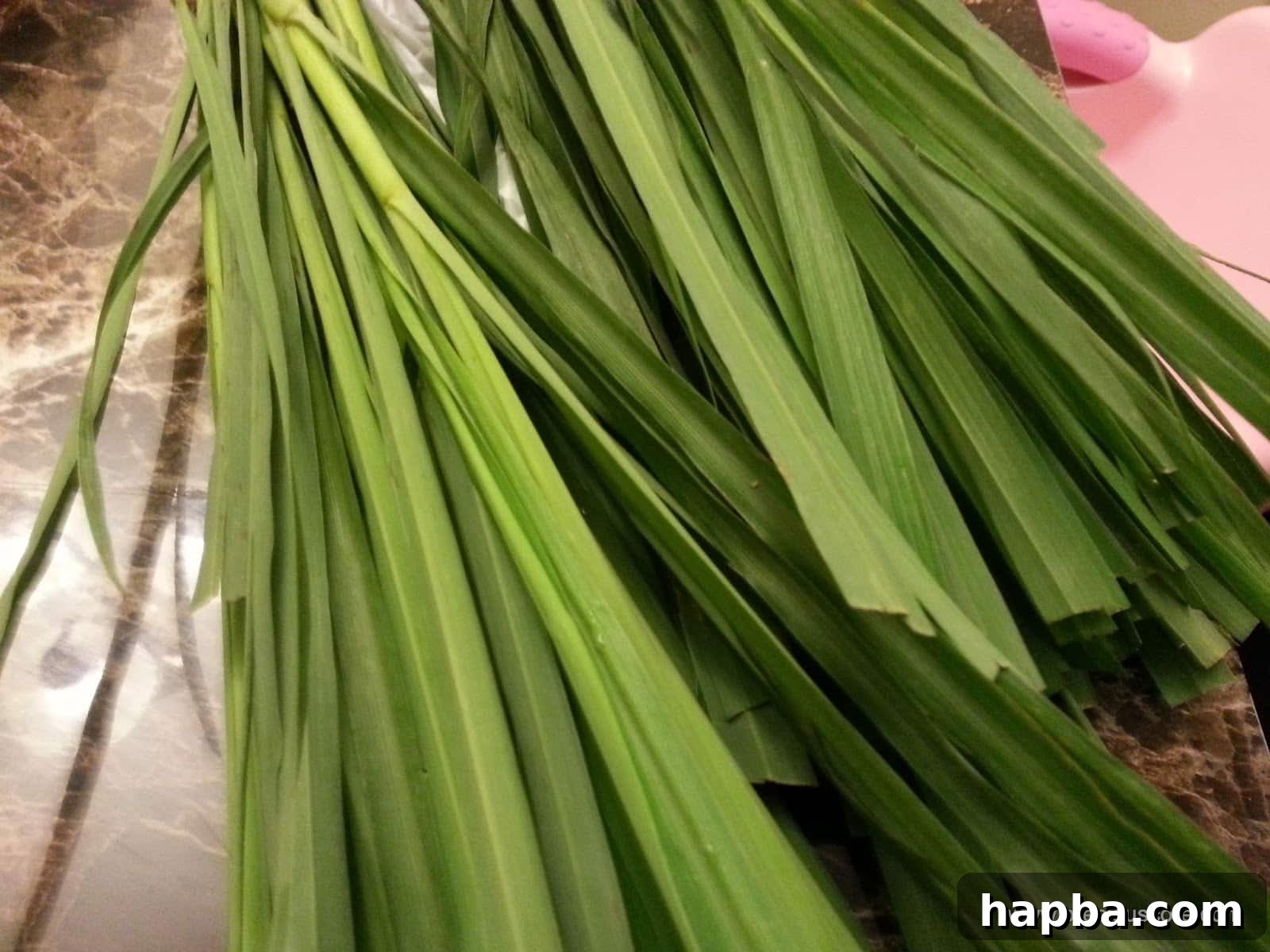 |
| Fresh “Fever grass” (lemongrass), perfectly ready for brewing. |
How to Prepare Your Perfect Cup of Lemongrass Tea
One of the most appealing and satisfying aspects of lemongrass tea is its incredible simplicity to prepare. You truly do not need a complex, multi-step recipe or an assortment of exotic, hard-to-find ingredients; just the fresh, aromatic stalks of the plant and some hot water are more than sufficient to create a truly delightful and therapeutic brew. However, understanding a few key nuances and preparation methods can significantly help you achieve the perfect flavor profile and maximize the extraction of its beneficial compounds every single time.
Sourcing and Selecting the Best Lemongrass
When you are choosing lemongrass, it’s essential to look for firm, vibrantly pale green stalks with healthy, intact leaves. The base of the stalk should ideally be white or a light yellow, gradually transitioning into a rich green towards the top. It is best to avoid stalks that appear dry, cracked, discolored, or limp. Fresh lemongrass, whenever possible, offers the most potent and authentic flavor and aroma, which is unparalleled. However, dried or powdered forms are also readily available and can certainly be used, though it’s important to note that their flavor intensity might be slightly less vibrant. I personally make it a point to stock up on generous quantities at my local farmers’ market during the peak summer months when it’s most abundant and at its absolute freshest.
Simple Steps for a Soothing and Flavorful Brew
The basic method for brewing lemongrass tea is wonderfully straightforward and forgiving:
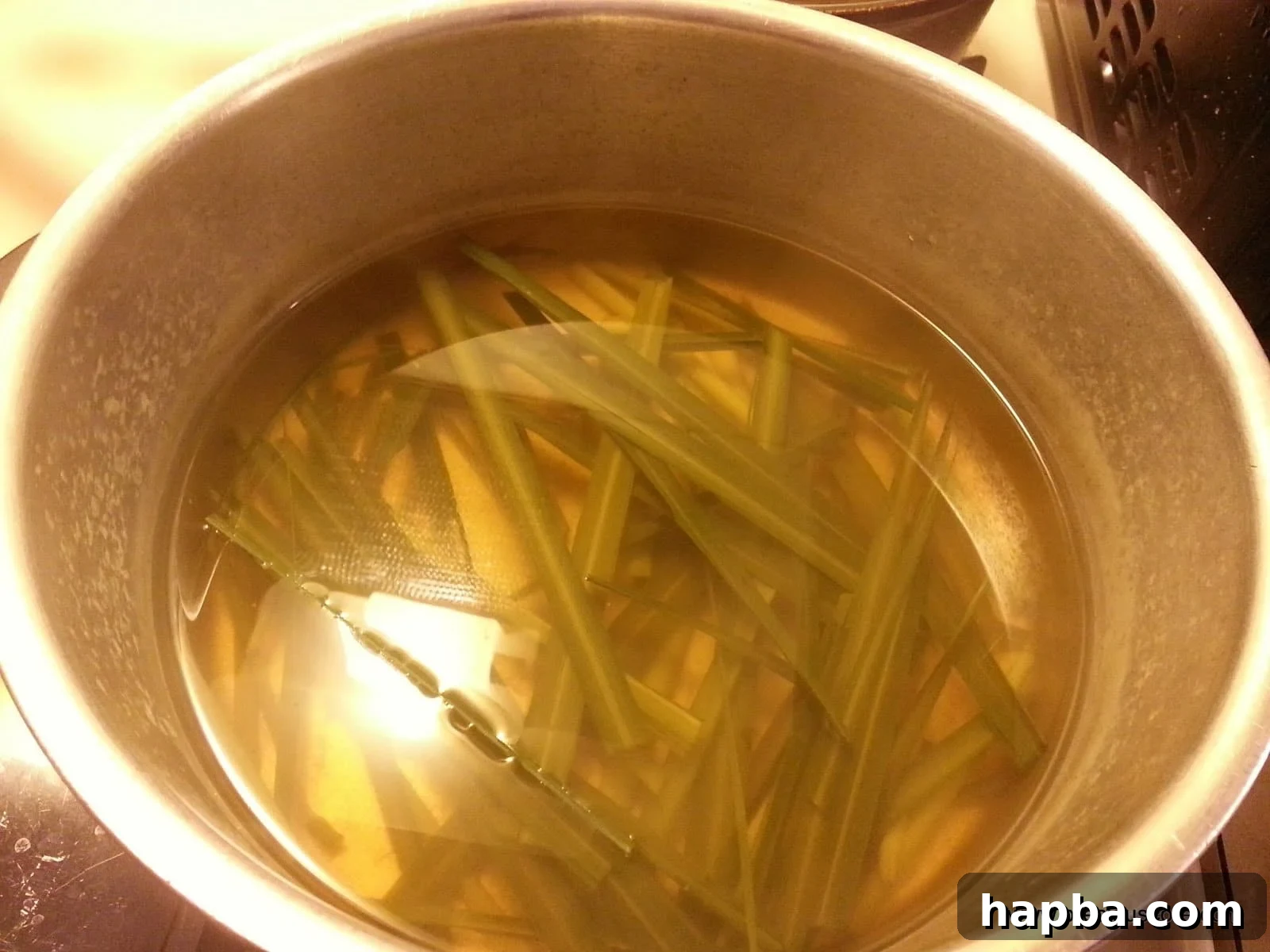
- Thorough Preparation: Begin by washing the lemongrass stalks meticulously under cool running water to remove any dirt or impurities. For optimal flavor release, which is crucial for a potent tea, it’s highly recommended to chop the lower, paler, and more fibrous part of the stalk into manageable 1-inch pieces. You can further enhance flavor extraction by lightly bruising these pieces with the flat side of a chef’s knife or a rolling pin. This action gently breaks down the cellular walls, allowing the essential oils to infuse more effectively. While the upper green leafy parts are milder in flavor, they can also be included for a more holistic aroma.
- Boiling (Decoction Method for Robust Flavor): Place the prepared, chopped, and possibly bruised lemongrass pieces into a clean pot or kettle. Add a suitable amount of water; a good starting ratio is approximately 2-3 average-sized stalks per 4 cups of water, but feel free to adjust this to your personal taste preference for strength. Bring the water to a rolling boil, then reduce the heat to a gentle simmer and allow it to steep for a period of 5 to 10 minutes. Generally, the longer it simmers, the stronger and more concentrated the tea will be, extracting the most robust flavor and beneficial compounds.
- Infusion Method (for Milder, Fresher Taste): Alternatively, particularly if you prefer a lighter, more delicate brew, you can opt for the infusion method. Simply place the prepared lemongrass pieces directly into a teapot or a sturdy heat-proof mug. Pour freshly boiled water over them and allow the mixture to steep for approximately 5 to 7 minutes. This method is quicker and typically yields a more delicate, fresh, and subtly aromatic taste.
Once your desired brewing time is complete, carefully strain the tea to remove all the lemongrass pieces. You will then be left with a beautiful, fragrant, and therapeutic liquid, perfectly ready to be savored. This delightful drink is truly my non-guilty pleasure, bringing comfort and refreshment with every single cup!
Customizing Your Lemongrass Tea Experience
While I often prefer to drink my lemongrass tea completely plain, allowing its natural zest and unique aroma to shine through fully, there are numerous wonderful ways to customize it to perfectly suit your personal palate and enhance its health benefits:
- Natural Sweeteners: You can sweeten your tea with a variety of natural options such as sugar, honey, agave nectar, or even a healthier, calorie-free natural sweetener like stevia. Honey, in particular, complements the bright, lemony notes of lemongrass beautifully and introduces its own impressive set of additional health benefits, creating a wonderfully harmonious blend.
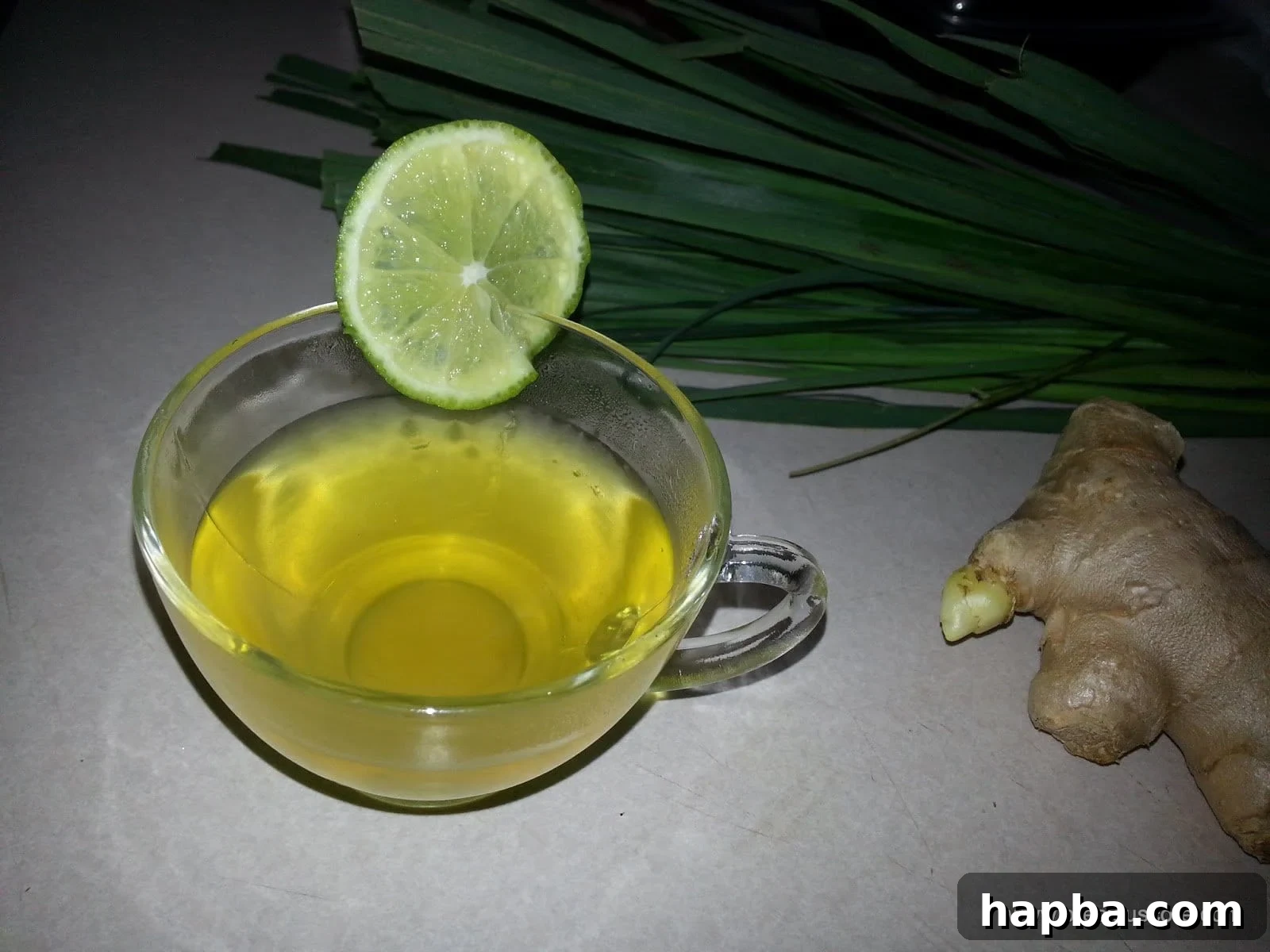
- Flavor Enhancers and Health Boosters: For an extra layer of complexity, warmth, or an added health boost, consider incorporating other synergistic ingredients. Fresh ginger, thinly sliced or grated, adds a spicy, invigorating warmth that is especially comforting, particularly during colder seasons or when feeling under the weather. Slices of fresh lemon or lime can wonderfully enhance the tea’s natural citrusy notes, making it even more refreshing, while a few vibrant mint leaves can impart a delightful, cooling sensation. For those seeking enhanced anti-inflammatory benefits, a small pinch of ground turmeric can also be added, contributing its powerful properties and a subtle, earthy undertone.
- Versatile Serving Styles: Enjoy your lemongrass tea piping hot for a cozy, soothing, and deeply aromatic experience, ideal for relaxation or an evening wind-down. During warmer months or when you crave a revitalizing pick-me-up, it transforms into an exquisite iced tea. To prepare, simply brew a slightly stronger batch, allow it to cool completely, and then pour it generously over ice. For a truly smooth and exceptionally refreshing beverage, you can even experiment with cold brewing by letting chopped lemongrass steep in cold water overnight in the refrigerator, which yields a less bitter and remarkably delicate flavor profile.
Storing Lemongrass for Year-Round Enjoyment
Given its often seasonal availability in various regions, knowing how to properly store lemongrass is absolutely crucial for ensuring you can enjoy its myriad benefits and delightful flavor all year long, regardless of the season. My personal and highly effective method, especially after a successful and bountiful trip to the farmers’ market, guarantees a steady supply:
After acquiring a generous quantity of fresh lemongrass, I meticulously wash and then carefully chop the usable, pale green parts of the stalks into small, convenient pieces, typically ranging from 1 to 2 inches in length. These precisely chopped pieces are then thoughtfully portioned into individual sandwich bags, ensuring that each bag contains just enough for a single pot of tea. These bags are then securely sealed and immediately placed directly into the freezer. This efficient freezing method expertly preserves the lemongrass, keeping it remarkably fresh and potently flavorful for many months, ready to be dropped straight into boiling water whenever a craving for its invigorating taste or a need for its therapeutic properties arises. Currently, I only have a precious single bag left in my freezer, and the mere thought of it dwindling makes me (*wipes tears*) truly emotional – it has genuinely become an indispensable staple in my home!
Alternatively, if you prefer short-term storage, fresh lemongrass stalks can be kept in the refrigerator for up to two weeks by wrapping them tightly in plastic wrap or placing them in an airtight sealed bag. For longer-term storage without freezing, another option is to thoroughly dry lemongrass leaves; however, it’s important to note that the flavor intensity and aromatic potency of dried varieties may be slightly less robust compared to their fresh or frozen counterparts.
Beyond the Brew: Diverse Culinary Uses of Lemongrass
While lemongrass tea undoubtedly holds a special place as a personal favorite, the incredible versatility of this fragrant and flavorful herb extends far beyond just beverages. Its distinct lemony, subtly minty, and ginger-like notes make it an exceptionally cherished and indispensable ingredient in a wide array of culinary traditions, particularly excelling in the vibrant and complex cuisines of Southeast Asia.
Many talented chefs and home cooks brilliantly incorporate lemongrass to profoundly elevate and deepen the flavor profiles of numerous savory dishes. It is, in fact, a foundational and essential ingredient in classic Thai curries, where it contributes a bright, zesty depth that is irreplaceable. In authentic Vietnamese cuisine, lemongrass is absolutely crucial for iconic dishes such as pho and forms a key component in marinades for succulent grilled meats and poultry. While I am yet to fully immerse myself and explore this exciting and expansive side of the lovely plant, preferring for now to stick to my beloved tea, the culinary possibilities that lemongrass offers are truly boundless and incredibly inspiring.
You can effortlessly infuse soups, rich stews, and delicate broths with lemongrass to create an incredibly aromatic and complex base. It performs wonderfully in marinades for tenderizing and flavoring chicken, fish, or tofu, imparting a refreshing tang and a subtle, fragrant essence. Finely minced lemongrass can be creatively added to stir-fries, flavorful rice dishes, and even surprisingly, to desserts like custards or sorbets for an unexpected and delightful citrusy twist. For those who genuinely enjoy culinary exploration and experimenting with new flavors, incorporating lemongrass into your cooking can unlock an entirely new dimension of taste and aroma. Some excellent examples of dishes it can significantly enhance include comforting soups and hearty stews, as well as exotic curries, vibrant stir-fries, and fragrant rice preparations.
A Taste of Heritage: Lemongrass in Traditional Medicine
Throughout the annals of history, lemongrass has been revered not solely for its undeniable culinary appeal but also, and perhaps even more significantly, for its prominent role within traditional medicine systems across a diverse array of cultures. From the ancient and intricate Ayurvedic practices in India to time-honored Chinese remedies and the rich tapestry of local African folklore, its consistent use as a potent healing herb is deeply ingrained and has been passed down through countless generations.
Traditionally, it has been skillfully employed to treat an extensive and wide array of conditions, including various digestive issues, persistent fevers (thus earning its evocative moniker “Fever Grass”), various forms of pain, and anxiety. Furthermore, its essential oil has been historically utilized topically for soothing muscle aches and addressing certain skin infections. This rich and extensive heritage profoundly underscores the plant’s long-standing and well-deserved reputation as a powerful natural healer, standing as a living testament to its enduring efficacy and relevance across millennia.
Important Considerations and Potential Side Effects
While lemongrass tea is generally regarded as safe for consumption by most individuals, it is always a prudent practice to be fully aware of potential considerations and specific circumstances. Pregnant and breastfeeding women, in particular, should exercise caution and consult with a qualified healthcare professional before engaging in regular consumption, as there is currently limited comprehensive research on its specific effects within these sensitive populations. Similarly, individuals who are currently taking certain medications, especially those prescribed for managing blood pressure or blood sugar levels, should also exercise heightened caution and seek professional medical advice, as lemongrass can exhibit mild diuretic and hypotensive effects that might interact with their prescribed treatments.
As with virtually any herbal remedy or dietary supplement, it is paramount to always listen intently to your body and its responses. If you happen to experience any allergic reactions, unexpected sensitivities, or any other adverse effects after consuming lemongrass tea, it is strongly advised to discontinue its use immediately and consult with a healthcare provider. However, for the vast majority of people, lemongrass tea remains a delightful, safe, and immensely beneficial addition to a health-conscious and balanced lifestyle.
Embrace the Goodness of Lemongrass Tea
From its humble origins as a cherished childhood memory in Cameroon, lovingly known as “Fever Grass,” to its current status as a globally recognized super-herb, lemongrass tea offers a truly unique and compelling blend of refreshing flavor and powerful, multifaceted health benefits. Whether your primary aim is seeking gentle digestive comfort, desiring a peaceful and restorative night’s sleep, bolstering your immune system, or simply wanting a delicious, natural beverage to uplift your spirits and invigorate your senses, “Fever Grass” tea stands ready and capable to deliver on all fronts.
Its remarkable ease of preparation, combined with its exceptional versatility in customization and an extensive, well-documented list of wellness advantages, collectively make it an incredibly worthwhile and rewarding addition to anyone’s daily routine. So, I wholeheartedly encourage you to brew yourself a comforting cup, take a moment to savor its vibrant aroma and distinct taste, and allow this wonderful, ancient plant to become your very own cherished non-guilty pleasure. Beyond the brew, I invite you to explore its exciting culinary potential in your cooking, and in doing so, fully embrace the profound goodness that this ancient, yet ever-relevant, herb graciously brings to modern living.